
Troubleshooting Common Issues with Oilseed Processing Equipment: A Comprehensive Guide
2026/01/09
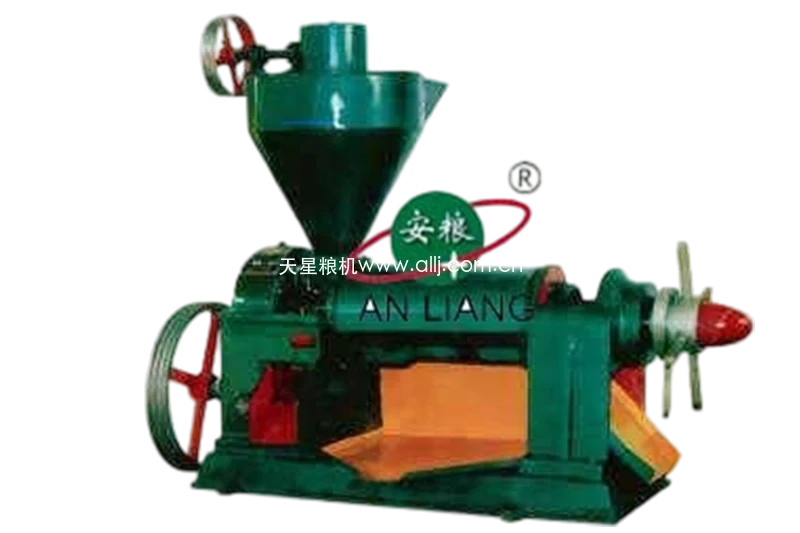
Troubleshooting Common Issues with Oilseed Processing Equipment
Table of Contents
- Introduction to Oilseed Processing Equipment
- The Importance of Troubleshooting in Oilseed Processing
- Overview of Common Issues with Oilseed Processing Equipment
- 1. Jamming in Oilseed Processing Equipment
- 2. Inefficient Oil Extraction Rates
- 3. Equipment Wear and Tear
- 4. Temperature Control Issues
- 5. Pump Failures in Oilseed Processing
- Best Maintenance Practices for Oilseed Processing Equipment
- Conclusion
- Frequently Asked Questions
Introduction to Oilseed Processing Equipment
Oilseed processing equipment plays a crucial role in transforming raw oilseeds into value-added products, such as edible oils and protein meals. This equipment encompasses a wide range of machinery, including seed cleaners, oil expellers, and refining units. Understanding the common issues that arise during the operation of these machines is essential for maintaining productivity and ensuring high-quality output.
The Importance of Troubleshooting in Oilseed Processing
Effective troubleshooting in oilseed processing equipment is vital for several reasons. First, it minimizes downtime, allowing operations to run smoothly. Second, it ensures the quality of the final product, as many issues can directly affect the purity and yield of the oil extracted. Finally, proper troubleshooting can extend the lifespan of the equipment, ultimately saving businesses money on repairs and replacements.
Overview of Common Issues with Oilseed Processing Equipment
In the world of oilseed processing, various problems can arise, significantly impacting efficiency and output. Understanding these issues allows operators to quickly diagnose and resolve them, leading to increased productivity. Below, we’ll explore some of the most common problems that affect oilseed processing equipment.
1. Jamming in Oilseed Processing Equipment
Jamming is one of the leading issues faced during oilseed processing. It often occurs when the seeds are not adequately pre-processed or when foreign materials are mixed in with the oilseeds.
Causes of Jamming
- **Foreign Objects:** Stones, metal, or other debris can obstruct the machinery.
- **Moisture Content:** High moisture levels in seeds can lead to clumping and jamming.
- **Improper Settings:** Incorrect settings on the machinery can cause bottlenecks.
Solutions to Jamming
- **Regular Inspection:** Conduct routine checks to ensure there are no foreign materials mixed with the seeds.
- **Moisture Control:** Monitor and control the moisture content of the seeds before processing.
- **Proper Adjustment:** Ensure that all settings on the machinery are calibrated according to the manufacturer's specifications.
2. Inefficient Oil Extraction Rates
Inefficient oil extraction rates can lead to significant financial losses. Several factors can contribute to this issue, including equipment malfunctions and improper processing techniques.
Causes of Inefficient Oil Extraction
- **Poor Seed Quality:** Low-quality seeds yield lower oil percentages.
- **Equipment Malfunction:** Defective or worn-out machinery can hinder oil extraction efficiency.
- **Inadequate Processing Conditions:** Incorrect temperature and pressure settings can adversely affect oil yield.
Solutions for Improving Oil Extraction Rates
- **Use High-Quality Seeds:** Always source seeds from reputable suppliers.
- **Routine Equipment Maintenance:** Regular maintenance ensures that all components are functioning optimally.
- **Optimize Processing Conditions:** Closely monitor and adjust temperature and pressure settings throughout the extraction process.
3. Equipment Wear and Tear
Like any machinery, oilseed processing equipment experiences wear and tear over time. This can lead to decreased efficiency and increased likelihood of breakdowns.
Indicators of Wear and Tear
- **Unusual Noises:** Grinding or squeaking noises can indicate mechanical issues.
- **Vibrations:** Excessive vibrations can signal misalignment or damaged components.
- **Decreased Performance:** A noticeable drop in efficiency can be a sign of wear.
Maintenance Strategies for Preventing Wear and Tear
- **Scheduled Maintenance:** Implement a routine maintenance schedule that includes inspections and part replacements.
- **Use Quality Parts:** Always use high-quality parts for replacements to ensure longevity.
- **Operator Training:** Train operators on recognizing the signs of wear and how to address them quickly.
4. Temperature Control Issues
Maintaining the correct temperature during oilseed processing is crucial for optimal results. Temperature variations can lead to poor extraction rates and compromised oil quality.
Causes of Temperature Control Issues
- **Faulty Thermostats:** Malfunctioning thermostats can lead to erratic temperature control.
- **Insufficient Insulation:** Poorly insulated machinery can lead to heat loss and fluctuations.
- **Operator Error:** Inadequate training can result in improper temperature settings.
Solutions for Effective Temperature Control
- **Regular Thermostat Calibration:** Ensure thermostats are regularly calibrated for accuracy.
- **Improve Insulation:** Invest in quality insulation to maintain consistent temperatures.
- **Training Programs:** Provide comprehensive training for operators to manage temperature settings effectively.
5. Pump Failures in Oilseed Processing
Pump failures can halt operations and lead to costly downtimes. Identifying early signs of pump failure is essential for maintaining productivity.
Signs of Pump Failure
- **Reduced Flow Rates:** A noticeable drop in flow can signal pump issues.
- **Unusual Sounds:** Grinding or clanking noises can indicate internal problems.
- **Leaks:** Any visible leaks around the pump should be addressed immediately.
Preventive Measures for Pump Failures
- **Regular Inspections:** Conduct frequent inspections to monitor pump health.
- **Proper Maintenance:** Adhere to a maintenance schedule that includes cleaning and lubricating pump components.
- **Use Quality Pumps:** Invest in high-quality pumps designed for oilseed processing to minimize failures.
Best Maintenance Practices for Oilseed Processing Equipment
Implementing a robust maintenance strategy is key to minimizing issues with oilseed processing equipment. Here are some best practices:
1. Scheduled Maintenance
Establish a regular maintenance schedule that includes inspections, cleaning, and lubrication of all machinery components. This proactive approach can prevent minor issues from escalating into major problems.
2. Training Operators
Ensure that all operators are adequately trained on equipment handling and maintenance procedures. Knowledgeable operators can detect issues early and avoid operational mishaps.
3. Record Keeping
Maintain detailed records of maintenance activities, repairs, and equipment performance. This data can help identify patterns and anticipate future issues.
4. Investing in Quality Equipment
Choose high-quality, reliable oilseed processing equipment to reduce the likelihood of breakdowns and increase overall efficiency.
Conclusion
Troubleshooting common issues with oilseed processing equipment is crucial for maintaining efficiency and product quality. By understanding the typical problems that can arise, operators can implement effective solutions to minimize downtime and improve performance. Regular maintenance, operator training, and attention to detail are integral to successful oilseed processing operations, ensuring long-term productivity and profitability.
Frequently Asked Questions
1. What are the most common issues with oilseed processing equipment?
The most common issues include jamming, inefficient oil extraction rates, equipment wear and tear, temperature control issues, and pump failures.
2. How can I prevent jamming in my processing equipment?
Prevent jamming by conducting routine inspections, controlling moisture content, and ensuring proper equipment settings.
3. What maintenance practices can enhance oil extraction rates?
Using high-quality seeds, performing regular maintenance, and optimizing processing conditions can significantly enhance oil extraction rates.
4. How often should I perform maintenance on my oilseed processing equipment?
Establishing a regular maintenance schedule is recommended, typically monthly or quarterly, depending on the usage and specific equipment.
5. What should I do if I notice signs of pump failure?
If you notice signs of pump failure, such as reduced flow rates or leaks, it’s essential to conduct an immediate inspection and perform necessary repairs to avoid further complications.
