Flaxseed Processing Plan
Low-Temperature Cold-Pressing Process

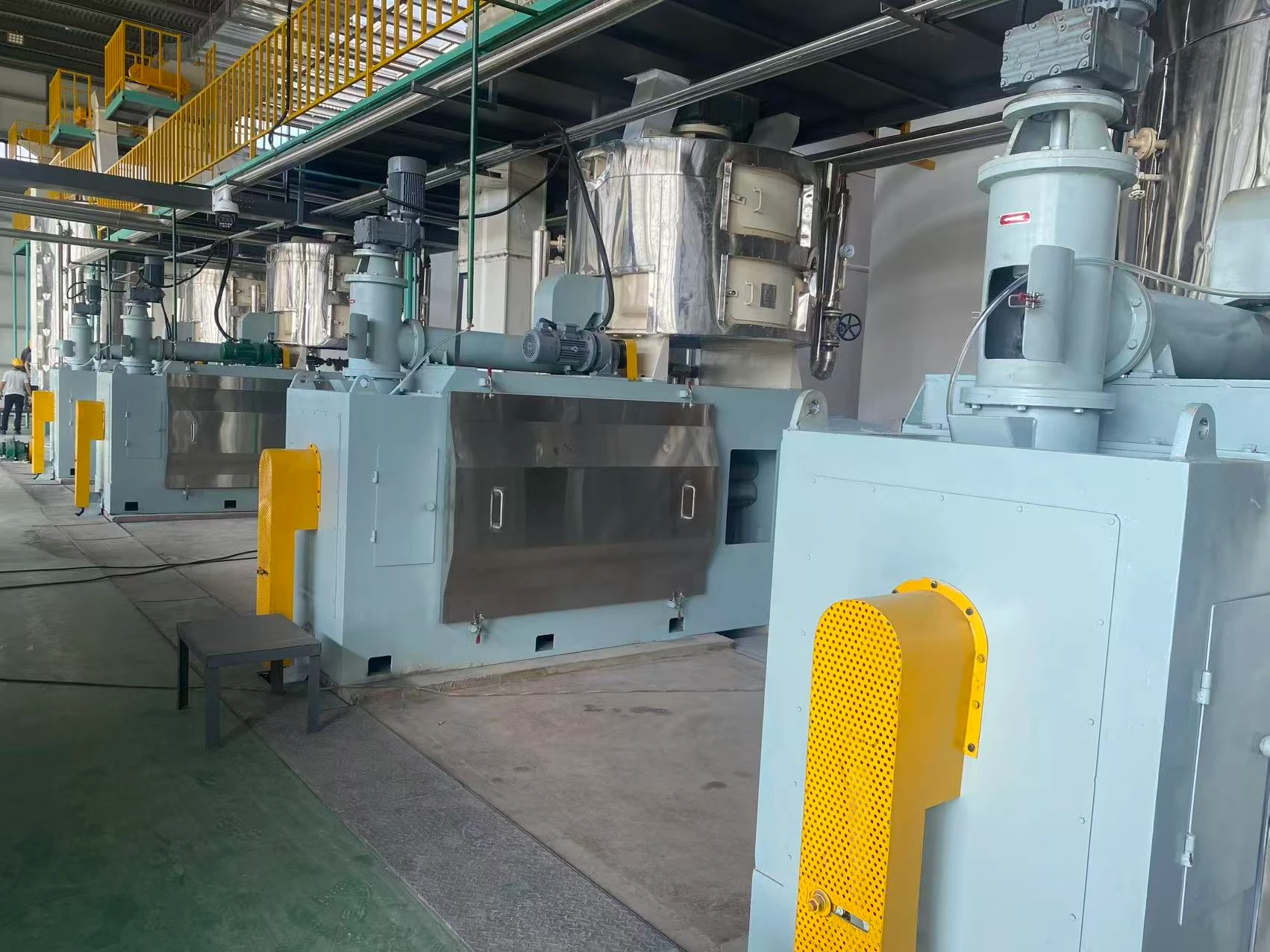
Recommended oil press machine
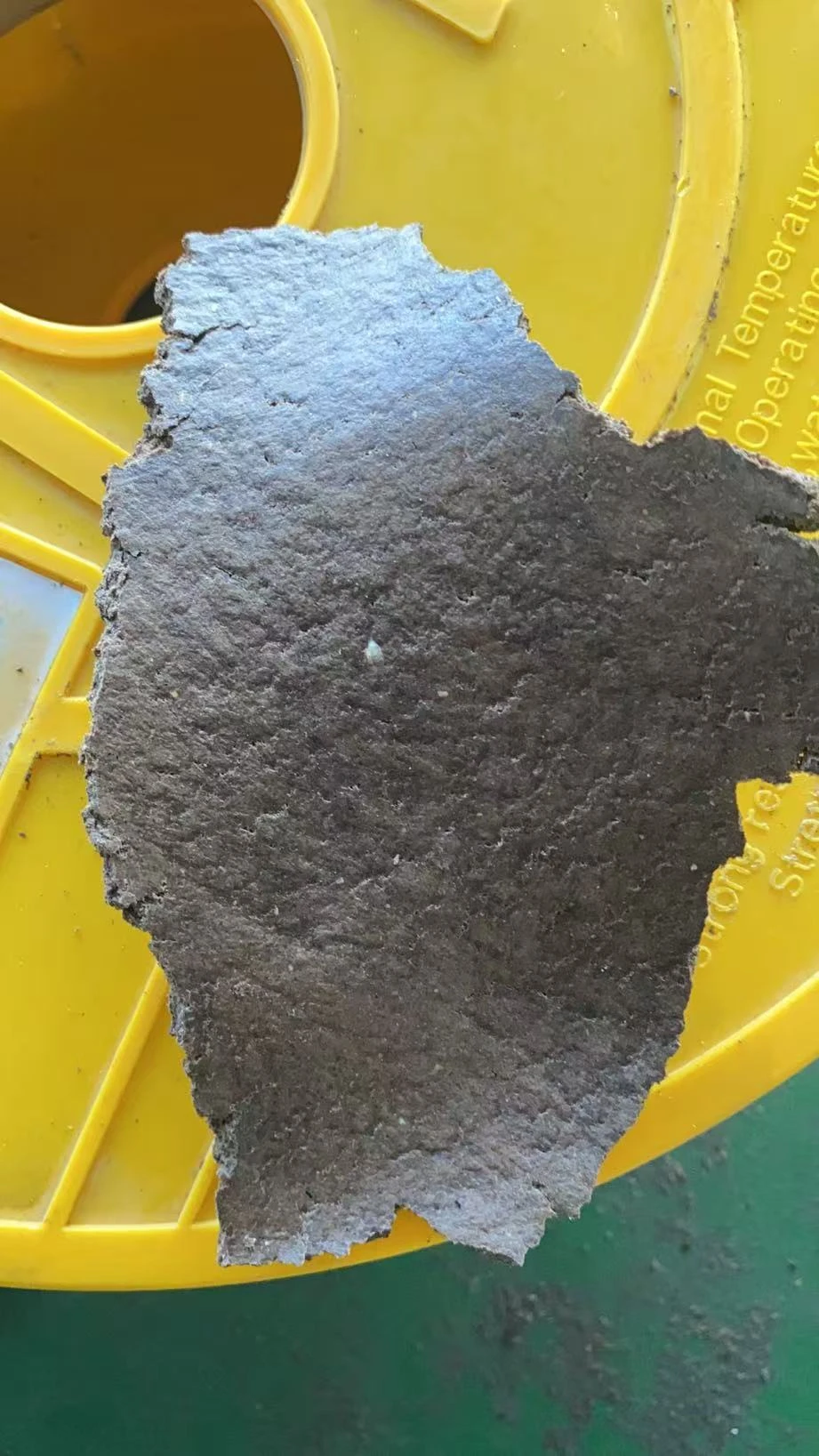
YSZ286 (First Press) Single-unit processing capacity: 100 T/D Specification: Residual oil content in first-press cake: 11%–15%
YSZ236 (Second Press) Single-unit processing capacity: 50 T/D Specification: Residual oil content in second-pressed cake ≤ 6.0%
Process Flow
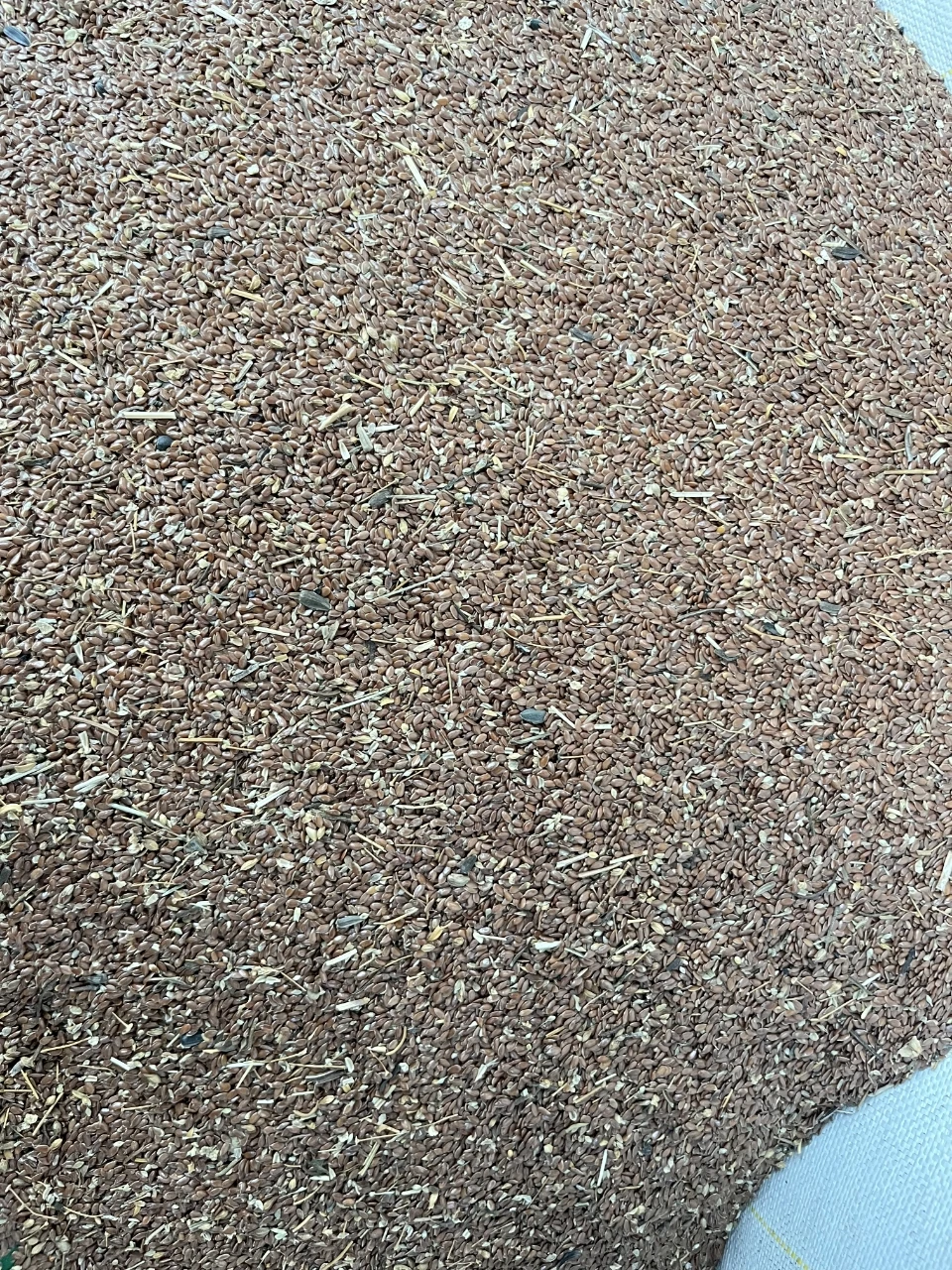
After passing through a permanent magnet cylinder to remove iron impurities, the flaxseeds enter a cleaning screen that eliminates straw, large debris, and dust. They then move on to a destoner machine to separate out any stones, before being fed into a rolling mill for胚 (embryo) formation. The resulting胚片 are transferred to a steaming and roasting pot to adjust their moisture content to the ideal level. Next, they’re pressed in a single-stage press, and the resulting one-press cake is crushed before being sent to a second press for further extraction. Finally, the two-press cakes are conveyed via equipment directly into the cake storage bin. Meanwhile, the oil and粕 (oil residue) are separated using an oil-residue scraper system, with the oil flowing into a clarifying tank for sedimentation. After the residue is skimmed off, it’s returned to the press for additional oil extraction. Meanwhile, the clarified oil overflows into a crude oil tank, where it’s pumped through a filter to remove any remaining impurities. The filtered crude oil is then transported by pump to the refining workshop for final processing and purification.
High-temperature pressing process

Recommended oil press machine
YSZ236 Single-unit processing capacity: 50 T/D Specification: Residual oil in cake ≤ 7%
YSZ286 Single-unit processing capacity: 100 T/D Specification: Residual oil in cake ≤ 7.5%
Process Flow
After passing through a permanent magnet cylinder to remove iron impurities, the flaxseeds enter a cleaning screen that eliminates straw, large debris, and dust. Next, they are processed by a destoner to remove any stones, before being fed into a rolling mill for胚 (embryo) formation. The resulting胚片 are then transferred to a steaming and roasting machine to achieve the optimal moisture level, after which they are pressed in an oil press. The resulting油饼 is conveyed via equipment directly into the饼 storage warehouse, while the油 residue and cake are separated—with the residue further sent back to the oil press for re-extraction. Meanwhile, the clarified oil flows into a毛油 (crude oil) tank, where it’s pumped through a filter to remove any remaining impurities. Finally, the filtered crude oil is transported to the refining workshop for further processing and purification.