
How to Effectively Troubleshoot Common Issues in Oil Extraction Systems
2026/01/13
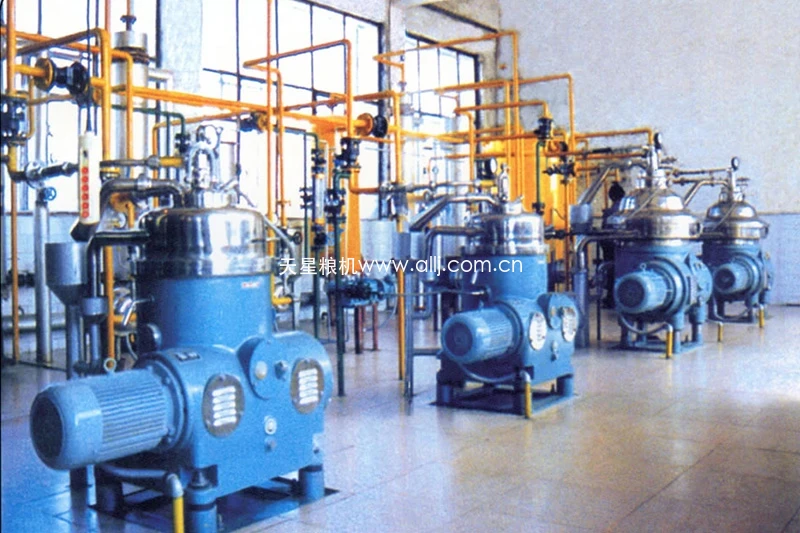
How to Effectively Troubleshoot Common Issues in Oil Extraction Systems
Table of Contents
- Introduction to Oil Extraction Systems
- Understanding Oil Extraction Processes
- Common Issues in Oil Extraction Systems
- Identifying Symptoms of Failure
- Step-by-Step Troubleshooting Guide
- Maintaining Your Oil Extraction System
- When to Seek Professional Help
- Conclusion
- FAQs
Introduction to Oil Extraction Systems
Oil extraction systems play a vital role in the agricultural food industry, particularly in producing edible oils. These systems employ various techniques to separate oil from seeds and nuts, enabling the production of high-quality oil that meets consumer demands. However, like any complex machinery, oil extraction equipment can encounter issues that may hinder efficiency and output. Understanding how to effectively troubleshoot these systems can save time, resources, and money, ensuring smooth operations.
Understanding Oil Extraction Processes
Oil extraction can occur through several methods, including mechanical pressing, solvent extraction, and supercritical CO2 extraction. Each method has its unique set of parameters and machinery.
- **Mechanical Pressing**: This method involves physically pressing the oil out of seeds or nuts. While it’s straightforward, it can be subject to wear and tear on machinery.
- **Solvent Extraction**: Here, solvents are used to dissolve oil, allowing for higher yields. However, it introduces complexities in handling solvents and ensuring they do not contaminate the final product.
- **Supercritical CO2 Extraction**: This advanced method utilizes supercritical carbon dioxide as a solvent for extracting oil. It is efficient but requires specialized equipment and knowledge.
Understanding these processes is critical for identifying where issues may arise within the extraction system.
Common Issues in Oil Extraction Systems
While oil extraction systems are designed for efficiency, they may still experience several common issues, including:
- **Equipment Wear and Tear**: Over time, components such as rollers, filters, and pumps can degrade.
- **Blockages**: Residue buildup can cause blockages in pipes and machinery, impeding oil flow.
- **Temperature Fluctuations**: Maintaining the correct temperature is crucial for optimal extraction, and deviations can lead to reduced efficiency.
- **Electrical Failures**: Malfunctions in electrical components can cause system shutdowns or unsafe operating conditions.
Being aware of these common issues is the first step toward effective troubleshooting.
Identifying Symptoms of Failure
Recognizing the symptoms of failure is essential for swift intervention. Common symptoms include:
- **Reduced Oil Yield**: A noticeable drop in oil production is often the first sign of an underlying issue.
- **Strange Noises**: Unusual sounds from the machinery may indicate mechanical problems.
- **Inconsistent Pressure Levels**: Fluctuations in pressure can affect oil extraction efficiency.
- **Leaking Fluids**: Fluid leaks can signify problems with seals or hoses.
Prompt recognition of these symptoms can prevent further complications and downtime.
Step-by-Step Troubleshooting Guide
When issues arise, a structured troubleshooting approach is vital. Below, we outline specific troubleshooting steps based on common problem categories.
Mechanical Issues
1. **Inspect Moving Parts**: Check all moving components for wear and damage. Replace any parts showing significant wear.
2. **Clear Blockages**: Clean filters, pipes, and chambers to remove any debris or residue.
3. **Lubricate Machinery**: Ensure that all moving parts are adequately lubricated following the manufacturer’s recommendations.
Electrical Issues
1. **Check Electrical Connections**: Ensure that all connections are secure and free from corrosion.
2. **Inspect Control Panels**: Look for error messages or faults in the control systems. Reset or replace faulty components as necessary.
3. **Test Circuitry**: Use a multimeter to check the functionality of critical electrical components.
Process-Related Issues
1. **Monitor Temperature and Pressure**: Use pressure gauges and thermometers to ensure that the extraction process is within recommended parameters.
2. **Evaluate Solvent Use**: For solvent extraction systems, check solvent levels and ensure correct concentrations.
3. **Review Operating Procedures**: Ensure that the extraction process is being followed correctly, including timing and temperatures.
Maintaining Your Oil Extraction System
Preventative maintenance is crucial for minimizing issues in oil extraction systems. Regular maintenance tasks include:
- **Routine Inspections**: Conduct inspections of all equipment components regularly to identify wear and tear early.
- **Scheduled Cleaning**: Implement a cleaning schedule to remove any residues or blockages.
- **Calibration**: Regularly calibrate instruments to ensure accurate measurements during the extraction process.
- **Training Operators**: Ensure that all operators are well-trained in both the operation and basic troubleshooting of the equipment.
When to Seek Professional Help
Despite best efforts, some issues may require the expertise of a professional. Signs that it may be time to call in an expert include:
- **Persistent Problems**: If issues continue to arise despite troubleshooting efforts, a professional can diagnose deeper systemic problems.
- **Complex Electrical Failures**: Electrical issues can be dangerous; if you’re uncertain, it’s best to refer to an electrician or technician.
- **Major Equipment Failures**: For significant mechanical problems, involving a qualified technician to avoid exacerbating the issue is advisable.
Conclusion
Troubleshooting oil extraction systems is essential for maintaining productivity and efficiency in the agricultural food industry. By understanding common issues, identifying symptoms, and employing a structured troubleshooting approach, operators can ensure the longevity and performance of their systems. Regular maintenance and professional assistance when needed can further enhance system reliability, ultimately leading to better oil yields and quality.
FAQs
**1. What are the most common issues in oil extraction systems?**
The most common issues include equipment wear and tear, blockages, temperature fluctuations, and electrical failures.
**2. How can I identify problems in my oil extraction system early?**
Look for reduced oil yield, strange noises, inconsistent pressure levels, and leaking fluids as early warning signs.
**3. What maintenance tasks should I regularly perform on my system?**
Routine inspections, scheduled cleaning, calibration, and training for operators are essential maintenance tasks.
**4. When should I seek professional help for troubleshooting?**
Seek professional help for persistent problems, complex electrical issues, or significant mechanical failures that you cannot resolve.
**5. How can temperature and pressure affect oil extraction?**
Maintaining the correct temperature and pressure is crucial for optimal oil extraction; deviations can lead to reduced efficiency and lower yields.
By following this comprehensive guide, operators can navigate the complexities of troubleshooting oil extraction systems effectively, ensuring smooth operations and high-quality output.
