
Essential Insights into Oilseed Handling and Conveying Equipment for Efficient Processing
2026/01/16
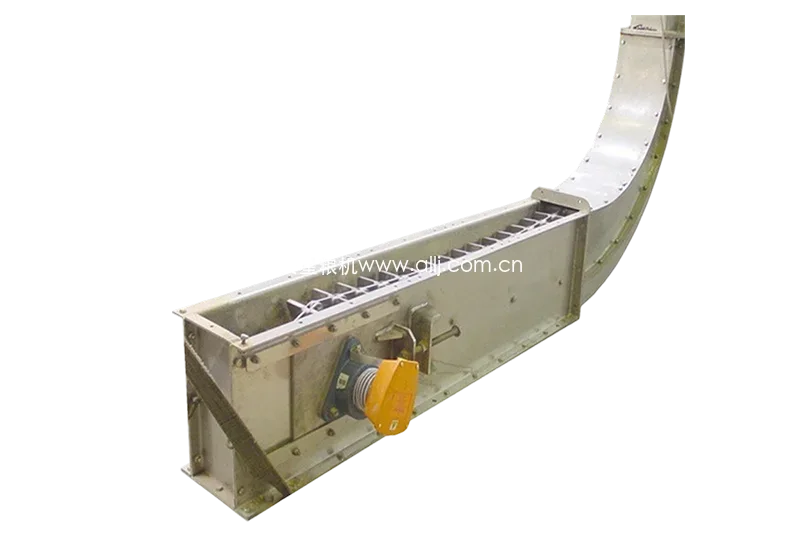
In the realm of agricultural machinery, oilseed handling and conveying equipment play a crucial role in the processing of oilseeds into edible oils. Efficient handling and conveying systems are integral to ensuring that the oil extraction process is smooth, minimizing losses and maximizing output. As the demand for edible oils continues to increase globally, understanding the different types of equipment and their functions becomes essential for professionals in the field.
The primary function of oilseed handling equipment is to facilitate the movement of seeds from one stage of processing to another, which includes receiving, storage, and preparation for extraction. Common types of equipment include bucket elevators, conveyors, and augers. Each of these options provides unique advantages depending on the specific needs of the processing facility.
Bucket elevators are particularly effective for vertical transportation of oilseeds, allowing for efficient use of space while minimizing product degradation. They are designed to handle a variety of materials, making them versatile for different types of oilseeds. On the other hand, conveyors, including belt and screw conveyors, are preferable for horizontal movement and can be configured to suit various layouts in a processing plant.
Augers, a traditional method of conveying oilseeds, are known for their simplicity and reliability. They work well in environments where a continuous flow of seeds is needed, such as during the initial stages of processing. The choice between these different types of equipment often depends on factors such as the nature of the oilseed, the required throughput, and the layout of the processing facility.
In addition to choosing the right equipment, it is also critical to consider the installation and maintenance aspects. Proper installation ensures that the equipment operates at peak efficiency, while regular maintenance is vital to prevent breakdowns and prolong the life of the equipment. Training staff on best practices for handling and conveying oilseeds can also significantly improve operational efficiency and safety.
Moreover, advancements in technology have led to the development of automated systems that enhance the precision and reliability of oilseed handling. These systems can integrate with inventory management software, ensuring that operators have real-time insights into stock levels and can optimize their processes accordingly.
In conclusion, investing in the right oilseed handling and conveying equipment is essential for any operation involved in edible oil processing. By understanding the various options available and implementing best practices, professionals can enhance efficiency and productivity, ultimately leading to improved profitability in the competitive agricultural landscape.
The primary function of oilseed handling equipment is to facilitate the movement of seeds from one stage of processing to another, which includes receiving, storage, and preparation for extraction. Common types of equipment include bucket elevators, conveyors, and augers. Each of these options provides unique advantages depending on the specific needs of the processing facility.
Bucket elevators are particularly effective for vertical transportation of oilseeds, allowing for efficient use of space while minimizing product degradation. They are designed to handle a variety of materials, making them versatile for different types of oilseeds. On the other hand, conveyors, including belt and screw conveyors, are preferable for horizontal movement and can be configured to suit various layouts in a processing plant.
Augers, a traditional method of conveying oilseeds, are known for their simplicity and reliability. They work well in environments where a continuous flow of seeds is needed, such as during the initial stages of processing. The choice between these different types of equipment often depends on factors such as the nature of the oilseed, the required throughput, and the layout of the processing facility.
In addition to choosing the right equipment, it is also critical to consider the installation and maintenance aspects. Proper installation ensures that the equipment operates at peak efficiency, while regular maintenance is vital to prevent breakdowns and prolong the life of the equipment. Training staff on best practices for handling and conveying oilseeds can also significantly improve operational efficiency and safety.
Moreover, advancements in technology have led to the development of automated systems that enhance the precision and reliability of oilseed handling. These systems can integrate with inventory management software, ensuring that operators have real-time insights into stock levels and can optimize their processes accordingly.
In conclusion, investing in the right oilseed handling and conveying equipment is essential for any operation involved in edible oil processing. By understanding the various options available and implementing best practices, professionals can enhance efficiency and productivity, ultimately leading to improved profitability in the competitive agricultural landscape.
Oilseed Handling and Conveying Equipment
oilseed handling and conveying equipment
