
The Essential Guide to Upgrading Your Oilseed Processing Machinery
2026/01/19
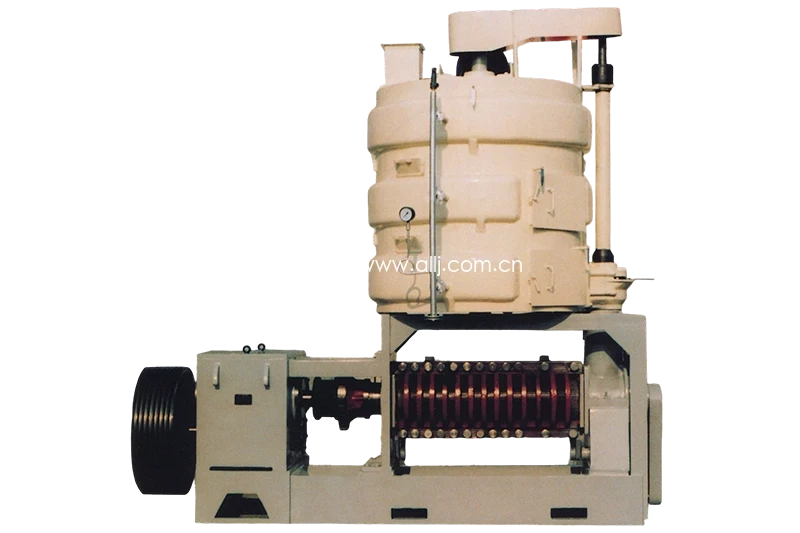
The Essential Guide to Upgrading Your Oilseed Processing Machinery
Table of Contents
- Understanding Oilseed Processing
- Importance of Machinery Upgrade in Oilseed Processing
- Key Benefits of Modern Oilseed Machinery
- Identifying the Right Upgrades for Your Oilseed Processing Equipment
- Latest Technological Advancements in Oilseed Processing
- Evaluating Your Current Machinery
- Steps to a Successful Machinery Upgrade
- Common Mistakes to Avoid During Upgrades
- Future Trends in Oilseed Processing Machinery
- FAQs About Oilseed Processing Upgrades
Understanding Oilseed Processing
Oilseed processing is a critical component of the agricultural food industry, involving the extraction of oil from various seeds such as soybeans, sunflowers, and canola. This process typically includes several stages: cleaning, conditioning, flaking, cooking, pressing, and refining. Each step has its unique challenges and requires precise machinery to ensure high-quality oil and efficient production.
Importance of Machinery Upgrade in Oilseed Processing
Upgrading machinery in oilseed processing is not just about keeping up with technological advances; it's about improving operational efficiency, product yield, and overall profitability. **Modernizing your equipment can lead to significant reductions in energy consumption**, as new machines are often designed with energy efficiency in mind. Additionally, advanced machinery can enhance product quality and decrease processing times, thereby increasing production capacity.
Key Benefits of Modern Oilseed Machinery
Investing in upgraded oilseed processing machinery offers a multitude of benefits:
Enhanced Efficiency
New technologies streamline the extraction process, allowing for faster and more efficient operations. This translates to lower operational costs.
Improved Oil Quality
Modern machinery often incorporates advanced filtration and refining techniques that result in higher-quality oil, meeting the standards demanded by today’s consumers and markets.
Reduced Maintenance Costs
Upgraded equipment tends to require less maintenance due to improved designs and materials, which can save money in the long run.
Increased Safety
Newer machines are designed with enhanced safety features, which reduce the risk of accidents and injuries on the production floor.
Identifying the Right Upgrades for Your Oilseed Processing Equipment
Choosing the right machinery upgrades can be challenging. Consider the following factors:
Assess Your Production Needs
Evaluate your current production capacity and identify bottlenecks. This will help you determine what type of machinery improvements are necessary.
Research Equipment Options
Investigate the latest technologies available. Look for machines that offer features such as automation, improved energy efficiency, and reduced waste.
Consult Industry Experts
Engaging with manufacturers or industry consultants can provide insights into the best machinery for your specific needs.
Latest Technological Advancements in Oilseed Processing
The oilseed processing industry is rapidly evolving, with several technological advancements revolutionizing operations:
Automation and Smart Technology
The integration of automation and smart sensors has enhanced precision in oilseed processing. Real-time monitoring allows for immediate adjustments, leading to better yield and efficiency.
Advanced Extraction Methods
Techniques such as supercritical CO2 extraction and enzymatic extraction are gaining popularity due to their ability to produce high-quality oil with lower environmental impact.
Energy-efficient Equipment
New machines are designed to minimize energy usage, which not only cut costs but also align with sustainable practices in the food industry.
Evaluating Your Current Machinery
Conducting a thorough evaluation of your existing equipment is essential before implementing upgrades. Consider these elements:
Performance Analysis
Review the performance data of your machinery. Are there frequent breakdowns, or is the output not meeting expectations?
Maintenance Records
Analyze maintenance history. Frequent repairs may indicate that the equipment is outdated and in need of replacement.
Industry Comparisons
Compare your machinery's performance and efficiency with industry benchmarks to identify gaps.
Steps to a Successful Machinery Upgrade
To ensure a smooth transition when upgrading machinery, follow these essential steps:
Create a Budget
Setting a clear budget will help manage costs and set expectations regarding what machinery can be purchased.
Develop a Timeline
Establish a realistic timeline for the upgrade process, considering potential downtime and installation.
Training and Support
Invest in training for your team on the new machinery to maximize its efficiency and ensure safety.
Common Mistakes to Avoid During Upgrades
When upgrading oilseed processing machinery, be wary of these common pitfalls:
Neglecting Employee Input
Failing to involve employees who operate the machinery can lead to oversights in choosing the right upgrades.
Ignoring Maintenance Needs
New equipment still requires regular maintenance. Overlooking this can lead to costly repairs down the line.
Overlooking Compliance Standards
Ensure that new machinery complies with industry regulations to avoid legal complications.
Future Trends in Oilseed Processing Machinery
The landscape of oilseed processing is continually evolving. Here are some trends to watch:
Sustainability Practices
With increasing pressure to adopt sustainable practices, expect more machinery to be designed for eco-friendliness, including lower emissions and waste reduction.
Integration of AI and Machine Learning
The use of AI in machinery will enhance predictive maintenance, optimize operations, and improve overall efficiency.
Focus on Traceability and Quality Control
Future machinery will likely incorporate advanced tracking systems to ensure quality control and traceability throughout the processing chain.
FAQs About Oilseed Processing Upgrades
1. How often should I upgrade my oilseed processing machinery?
Regular evaluations of machinery performance can help determine the right timing for upgrades, typically every 5-10 years.
2. What are the signs that my machinery needs an upgrade?
Common signs include frequent breakdowns, declining efficiency, and inability to meet production demands.
3. Are there financing options available for equipment upgrades?
Yes, many manufacturers offer financing options, and there are also grants and loans available for businesses looking to upgrade equipment.
4. How can I ensure my new machinery integrates with existing systems?
Consult with equipment vendors about compatibility and seek guidance on integration strategies to minimize disruption.
5. What impact can upgrading machinery have on my oil quality?
Upgraded machinery typically utilizes advanced extraction methods and technologies, leading to improved oil quality and yield.
Conclusion
Upgrading your oilseed processing machinery is a vital step in enhancing operational efficiency, product quality, and profitability. With careful evaluation, planning, and investment in modern technologies, you can transform your oilseed processing operations to meet the demands of today’s market. By staying informed about industry trends and avoiding common pitfalls, you will be well on your way to achieving long-term success in the agricultural food sector. Embrace the future of oilseed processing and unlock the full potential of your business.
