
The Connection Between Vegetable Oil Refining and Food Safety Standards: Ensuring Safe Consumption
2026/01/23
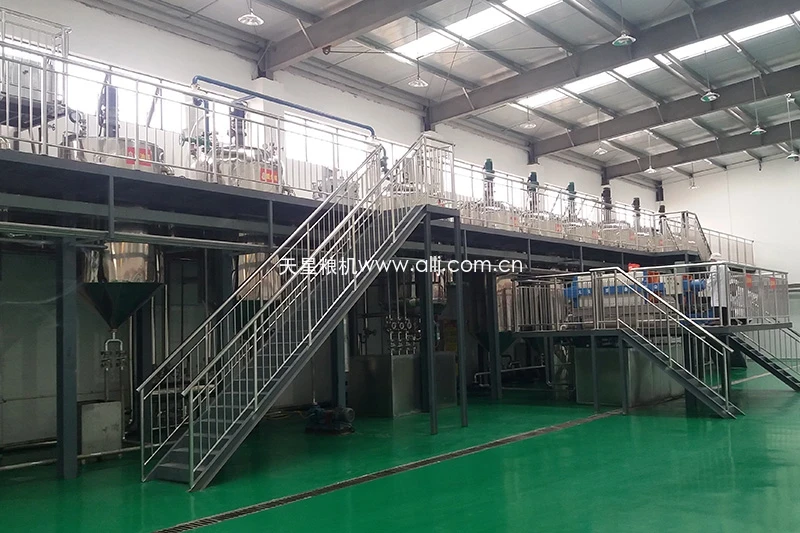
The Connection Between Vegetable Oil Refining and Food Safety Standards
Vegetable oil refining plays a pivotal role in our daily diets, offering versatility and flavor in countless culinary applications. However, the refining process impacts not only the oil's quality and stability but also its safety for consumption. As consumers become increasingly health-conscious, the link between vegetable oil refining and food safety standards has garnered significant attention. In this article, we will explore this connection in detail, covering everything from the refining process to the regulatory frameworks that govern food safety.
Understanding Vegetable Oil Refining
Vegetable oil refining is a comprehensive process designed to purify crude vegetable oils, enhancing their quality and suitability for consumption. This process involves several steps, including degumming, neutralization, bleaching, and deodorization. Each stage plays a critical role in ensuring that the final product meets safety standards and is free from impurities.
The Stages of Vegetable Oil Refining
1. **Degumming**: This initial step involves removing phospholipids and other impurities from crude oil. The degumming process typically uses water or acid to separate these unwanted substances, enhancing the oil's stability.
2. **Neutralization**: During neutralization, free fatty acids are neutralized with alkali. This step is crucial for improving the oil's flavor and reducing acidity, which not only affects taste but also impacts shelf life.
3. **Bleaching**: Bleaching removes pigments and residual impurities using bleaching earth or activated carbon. This step is essential for improving the oil's color and overall appearance, making it more appealing to consumers.
4. **Deodorization**: The final step in refining involves removing volatile compounds that contribute to odor and flavor. Deodorization typically occurs under high temperatures and vacuum conditions, ensuring the oil maintains a neutral flavor profile suitable for various culinary uses.
Importance of Vegetable Oil Refining for Food Safety
Effective refining processes are vital for ensuring food safety, as they significantly reduce the risk of contaminants and undesirable substances in the final product. Quality refinement helps eliminate harmful substances, including:
- **Pesticide Residues**: Refining processes help minimize the presence of pesticide residues that may be present in crude vegetable oils, ensuring that the oil is safe for consumption.
- **Heavy Metals**: Contaminants such as heavy metals can enter the oil during extraction or transportation. Proper refining techniques help mitigate these risks, ensuring a safer product for consumers.
- **Microbial Contaminants**: The refining process also addresses the potential presence of harmful bacteria and pathogens, which can pose serious health risks if left untreated.
Food Safety Standards: A Necessity for the Industry
The importance of adhering to food safety standards cannot be overstated. Regulatory bodies, such as the Food and Drug Administration (FDA) in the United States and the European Food Safety Authority (EFSA) in Europe, establish guidelines that must be followed throughout the refining process. Compliance with these standards is essential for ensuring that vegetable oils are safe for consumers.
Key Food Safety Standards for Vegetable Oil Refining
1. **Hygiene Regulations**: Manufacturers must maintain strict hygiene practices throughout the refining process to prevent contamination. This includes regular cleaning of equipment and facilities to minimize microbial risks.
2. **Quality Control and Testing**: Routine quality control measures are essential for monitoring the safety and quality of vegetable oils. Testing for contaminants, such as pesticides and heavy metals, is a critical component of this process.
3. **Labeling Requirements**: Proper labeling is vital for informing consumers about the contents and safety of vegetable oils. This includes disclosing potential allergens and ensuring accurate nutritional information.
Technological Advancements in Vegetable Oil Refining
As technology continues to evolve, so too does the vegetable oil refining process. Innovations in refining technology have led to enhanced efficiency, reduced waste, and improved safety standards. Some advancements include:
1. Advanced Filtration Systems
Modern filtration systems utilize advanced materials and techniques to remove impurities more effectively, resulting in cleaner oils and a safer final product.
2. Continuous Refining Systems
Continuous refining systems allow for a more streamlined process, reducing the risk of contamination and improving overall efficiency. These systems enable manufacturers to maintain consistent quality and safety standards.
3. Real-Time Monitoring
Technological advancements now allow for real-time monitoring of critical parameters during the refining process. This capability ensures that any deviations from safety standards can be addressed immediately, enhancing product safety.
Environmental Considerations in Vegetable Oil Refining
In addition to food safety, environmental concerns are becoming increasingly important in the vegetable oil industry. Sustainable practices in refining not only protect consumer health but also help safeguard the environment.
1. Waste Management
Proper waste management practices are essential for reducing the environmental impact of the refining process. This includes the recycling of by-products and the responsible disposal of waste materials.
2. Energy Efficiency
Implementing energy-efficient technologies in refining processes can significantly reduce the carbon footprint of vegetable oil production. Manufacturers are increasingly adopting renewable energy sources to power their operations.
3. Sustainable Sourcing
The sourcing of raw materials also plays a crucial role in environmental sustainability. Many companies are now prioritizing sustainably grown crops, ensuring that the oil production process is aligned with ecological preservation.
Consumer Awareness and Education
As consumers become more aware of the importance of food safety, it is essential to educate them about vegetable oil refining processes. Understanding how oils are refined can empower consumers to make informed choices about the products they purchase.
1. Transparency in Labeling
Brands that prioritize transparency in their labeling practices can build trust with consumers. Providing clear information about the refining process and safety standards can enhance consumer confidence.
2. Health and Nutrition Education
Education about the health benefits and potential risks associated with various vegetable oils can help consumers make more informed dietary choices. This information is vital for promoting safe consumption practices.
3. Advocacy for Higher Standards
Consumer advocacy for higher food safety standards can lead to more stringent regulations in the industry. By voicing concerns and supporting brands that prioritize safety, consumers can drive change.
Frequently Asked Questions (FAQs)
1. What is the purpose of vegetable oil refining?
The purpose of vegetable oil refining is to remove impurities, improve quality, enhance flavor, and ensure safety for consumption.
2. How do food safety standards impact vegetable oil refining?
Food safety standards create guidelines that manufacturers must follow to ensure that oils are safe for consumers, including hygiene practices, quality control, and labeling requirements.
3. Are there any health risks associated with unrefined vegetable oils?
Unrefined vegetable oils can contain impurities, contaminants, and free fatty acids, which may pose health risks if not properly processed.
4. What are the main steps in the vegetable oil refining process?
The main steps in the vegetable oil refining process include degumming, neutralization, bleaching, and deodorization.
5. How can consumers ensure they are buying safe vegetable oils?
Consumers can look for brands that adhere to food safety standards, provide transparent labeling, and prioritize quality control in their refining processes.
Conclusion
The connection between vegetable oil refining and food safety standards is crucial for ensuring that the oils we consume are safe, high-quality, and free from harmful impurities. As technology advances and regulations evolve, the industry must continue to prioritize safety and quality. By understanding the refining process and advocating for higher standards, consumers can play an active role in promoting food safety and making informed dietary choices. Emphasizing the importance of these connections not only benefits public health but also fosters a sustainable and trustworthy food industry.
