
Why Filtering is Crucial in Edible Oil Processing: An In-Depth Look
2026/01/31
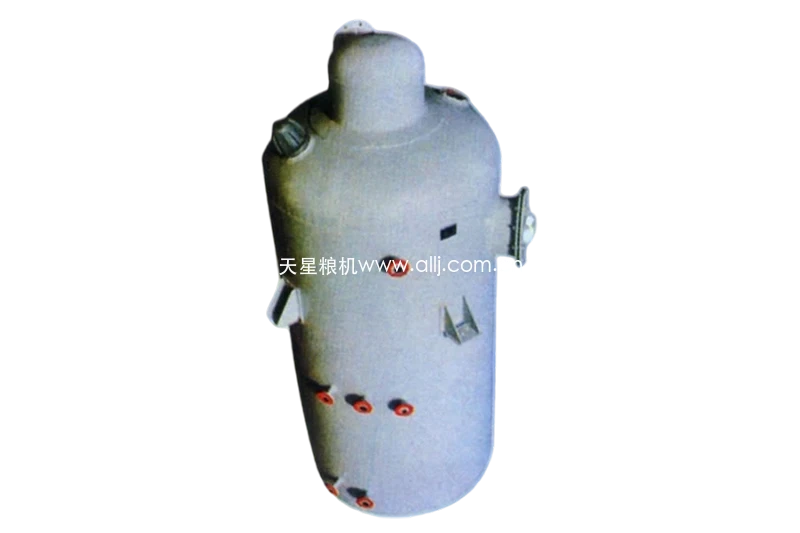
Why Filtering is Crucial in Edible Oil Processing: An In-Depth Look
Table of Contents
- Introduction to Edible Oil Processing
- The Importance of Filtering in Edible Oil Processing
- Types of Filtering Techniques in Edible Oil Processing
- Benefits of Effective Filtering
- Challenges in Edible Oil Filtering
- Industry Standards for Oil Filtering
- Future Trends in Filtering Technologies
- Conclusion
- FAQs about Filtering in Edible Oil Processing
Introduction to Edible Oil Processing
The edible oil processing industry is a vital component of the agricultural and food sectors. As consumers become increasingly health-conscious, the demand for high-quality edible oils has surged. Processing these oils involves several stages, including extraction, refining, and filtering. Among these, **filtering** stands out as a critical step that significantly influences the final product's quality and safety.
The Importance of Filtering in Edible Oil Processing
Filtering is indispensable in edible oil processing for multiple reasons:
- **Removal of Impurities**: Filtering eliminates contaminants such as solids, waxes, and other undesired particles that can degrade oil quality.
- **Enhancement of Shelf Life**: Proper filtering extends the shelf life of edible oils by preventing the oxidation and rancidity caused by impurities.
- **Improvement of Flavor and Color**: By removing off-flavors and sediment, filtering enhances the sensory attributes of the oil, making it more appealing to consumers.
- **Compliance with Safety Standards**: Filtering helps processors meet stringent food safety regulations, ensuring that the oils are safe for consumption.
Types of Filtering Techniques in Edible Oil Processing
Different filtering techniques are employed in oil processing, each with its unique advantages and applications.
Mechanical Filtering
Mechanical filtering involves physical separation methods to remove impurities from the oil. This technique can include:
- **Press Filters**: These use pressure to force oil through a porous medium, capturing suspended solids.
- **Belt Filters**: A continuous process that uses a moving belt to separate solids from liquids efficiently.
Chemical Filtering
Chemical filtering uses additives to facilitate the removal of impurities. Common methods include:
- **Adsorption**: Utilizing substances like activated carbon to attract and bind impurities, allowing for their removal.
- **Flocculation**: Adding chemicals that cause tiny particles to clump together, making them easier to filter out.
Microfiltration
Microfiltration is a membrane-based separation technique that uses a porous membrane to separate particles based on size. It effectively removes bacteria, yeast, and larger particulates, making it valuable in producing high-quality edible oils.
Ultrafiltration
Ultrafiltration operates similarly to microfiltration but uses smaller pore sizes to remove even finer particles and macromolecules. This technique can help in refining oils further, enhancing their purity and overall quality.
Benefits of Effective Filtering
The benefits of implementing effective filtering techniques in edible oil processing are substantial and multifaceted:
- **Quality Assurance**: High-quality edible oils meet consumer expectations and comply with regulations, making filtering essential for maintaining industry standards.
- **Cost-Effectiveness**: By extending the shelf life of oils and reducing spoilage, effective filtering minimizes waste and maximizes profitability.
- **Consumer Trust**: Offering clean, pure products fosters consumer trust and brand loyalty, essential in today’s competitive market.
Challenges in Edible Oil Filtering
Despite its importance, filtering processes are not without challenges, including:
- **Clogging**: Filters can become clogged with impurities, necessitating frequent maintenance, which can disrupt production.
- **Cost of Equipment**: High-quality filtering equipment can be costly, posing a challenge for small and medium-sized enterprises.
- **Variability in Raw Materials**: The quality of raw materials can vary significantly, affecting the efficiency of filtering processes.
Industry Standards for Oil Filtering
Adhering to industry standards is crucial for edible oil processors. Organizations such as the Food Safety and Standards Authority (FSSA) and the Codex Alimentarius provide guidelines for oil filtering processes. Compliance ensures that products not only meet safety requirements but also maintain quality and integrity throughout the supply chain.
Future Trends in Filtering Technologies
The future of filtering technologies in edible oil processing looks promising, with trends indicating a shift toward more advanced methods. Innovations such as:
- **Smart Filtering Systems**: Utilizing IoT and AI to monitor filter performance in real-time, optimizing efficiency and reducing downtime.
- **Sustainable Practices**: Developing eco-friendly filtering methods that minimize waste and energy consumption while maintaining high product quality.
These advancements will likely shape the future landscape of edible oil processing, making filtering even more efficient and reliable.
Conclusion
Filtering is an integral part of edible oil processing, playing a crucial role in enhancing oil quality, safety, and shelf life. Understanding the diverse filtering techniques, their benefits, and the challenges associated with them allows processors to optimize their operations effectively. As the industry evolves, staying informed about technological advancements and adhering to industry standards will be vital for producers aiming to meet consumer demands and regulatory requirements.
FAQs about Filtering in Edible Oil Processing
1. What are the primary purposes of filtering in edible oil processing?
Filtering is primarily used to remove impurities, extend shelf life, improve flavor and color, and ensure compliance with safety standards.
2. What types of filtering techniques are commonly used in edible oil processing?
Common techniques include mechanical filtering, chemical filtering, microfiltration, and ultrafiltration, each serving different purposes in the purification process.
3. How does filtering affect the quality of edible oils?
Effective filtering removes contaminants that can degrade oil quality, helping to maintain flavor, aroma, and safety for consumers.
4. What challenges do processors face when implementing filtering techniques?
Challenges include filter clogging, high equipment costs, and variability in raw material quality, which can impact filtering efficiency.
5. What future trends are emerging in edible oil filtering technologies?
Future trends include smart filtering systems that use IoT and AI for real-time monitoring, as well as sustainable practices aimed at reducing environmental impact while maintaining quality.
This article offers a comprehensive overview of the critical role filtering plays in edible oil processing, aimed at providing valuable insights for industry professionals and consumers alike.
