
Exploring Automated Solutions in Oilseed Processing Equipment: A Comprehensive Guide
2026/02/02
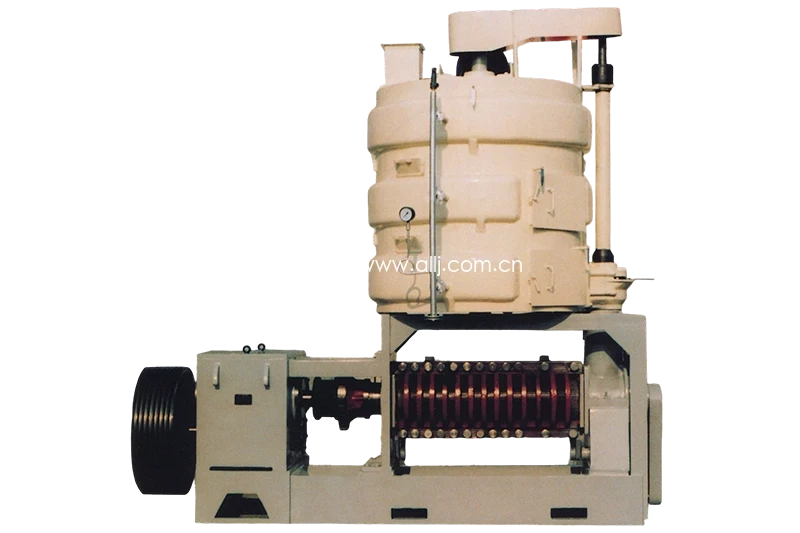
Exploring Automated Solutions in Oilseed Processing Equipment
Table of Contents
- 1. Introduction to Oilseed Processing Automation
- 2. The Importance of Automation in Oilseed Processing
- 3. Types of Automated Oilseed Processing Equipment
- 3.1 Automated Oil Extraction Equipment
- 3.2 Oil Refining and Bleaching Systems
- 3.3 Automated Packaging Solutions
- 4. Benefits of Implementing Automated Solutions
- 5. Challenges in Adopting Automation
- 6. The Future of Automated Oilseed Processing
- 7. Case Studies: Successful Implementations of Automation
- 8. FAQs About Automated Oilseed Processing Equipment
- 9. Conclusion
1. Introduction to Oilseed Processing Automation
In the world of agriculture, the demand for efficiency and quality in oilseed processing has led to a significant shift toward automation. Automated solutions in oilseed processing equipment not only streamline operations but also enhance overall productivity. As we explore this topic, we will examine the various types of automated systems available, their benefits, and the future of this technology in the agricultural sector.
2. The Importance of Automation in Oilseed Processing
The oilseed processing industry plays a pivotal role in the global food supply chain. With the rise in demand for edible oils, the need for efficient processing methods has never been more critical. Automation brings several advantages, including:
- **Increased Efficiency**: Automation reduces the time taken for various processes, from extraction to packaging.
- **Consistency in Quality**: Automated systems ensure uniformity in product quality, which is essential for consumer satisfaction.
- **Cost Savings**: By minimizing manual labor and reducing waste, automation can lead to significant cost reductions.
- **Enhanced Safety**: Automation reduces the risk of workplace accidents by minimizing human involvement in hazardous tasks.
3. Types of Automated Oilseed Processing Equipment
The advancement of technology has led to the development of various automated solutions tailored for oilseed processing. Here, we delve into some of the key types of equipment:
3.1 Automated Oil Extraction Equipment
Automated oil extraction equipment uses advanced technologies such as hydraulic, mechanical, and solvent extraction methods to efficiently extract oil from oilseeds. The latest models incorporate features such as:
- **Smart Controls**: These allow for real-time monitoring and adjustments to optimize extraction processes.
- **Energy Efficiency**: New extraction machines are designed to consume less energy, thereby reducing operational costs.
- **Higher Yield Rates**: Advanced technology yields more oil from the same quantity of seeds, maximizing profitability.
3.2 Oil Refining and Bleaching Systems
Once oil is extracted, refining and bleaching are crucial steps to ensure the product is safe and meets quality standards. Automated refining systems offer:
- **Continuous Operation**: These systems can run continuously, increasing throughput and reducing downtime.
- **Precision Control**: Automation allows for precise control of temperature and other variables, ensuring consistent product quality.
- **Waste Reduction**: Improved processes lead to less waste and by-products, promoting sustainability.
3.3 Automated Packaging Solutions
Packaging is the final step in the oilseed processing line, and automated packaging solutions are essential for maintaining efficiency. Key features include:
- **Speed and Efficiency**: Automated packaging machines can package products faster than manual processes.
- **Robust Quality Control**: These systems include quality checks to ensure that packaging meets industry standards.
- **Flexibility**: Many automated packaging solutions can handle various package sizes and types, adapting to market demands.
4. Benefits of Implementing Automated Solutions
Implementing automated solutions in oilseed processing equipment offers numerous benefits that extend beyond mere productivity. Key advantages include:
- **Improved Labor Management**: With automation, businesses can reduce reliance on manual labor, allowing staff to focus on more strategic tasks.
- **Higher Production Rates**: Automated systems enable higher production rates, meeting market demands more effectively.
- **Reduced Operational Costs**: Automation can lead to significant savings in labor costs and materials, enhancing overall profitability.
- **Enhanced Data Collection**: Automated systems provide valuable data that can be analyzed to improve efficiency and decision-making.
5. Challenges in Adopting Automation
While the benefits of automation are clear, several challenges can hinder its adoption in oilseed processing:
- **High Initial Investment**: The cost of acquiring automated equipment can be a barrier for smaller businesses.
- **Training Requirements**: Employees need training to operate and maintain complex automated systems effectively.
- **Integration with Existing Systems**: Many businesses face challenges in integrating new automated solutions with their existing equipment.
- **Maintenance and Downtime**: Automated systems require regular maintenance, and any downtime can result in significant losses.
6. The Future of Automated Oilseed Processing
The future of automated oilseed processing looks promising, as technological advancements continue to evolve. Key trends include:
- **Artificial Intelligence and Machine Learning**: These technologies are set to revolutionize oilseed processing by enabling predictive maintenance and optimizing operations based on data analytics.
- **Sustainability Focus**: There is a growing emphasis on sustainable practices, with automation being integral to reducing the environmental impact of oilseed processing.
- **Smart Farming Integration**: The integration of automated oilseed processing equipment with smart farming technologies will optimize the entire supply chain, from seed planting to final packaging.
7. Case Studies: Successful Implementations of Automation
Several companies have successfully implemented automated solutions in their oilseed processing operations, showcasing the benefits of these technologies.
7.1 Case Study: ABC Oil Company
ABC Oil Company invested in automated extraction equipment, resulting in a 30% increase in oil yield and a 25% reduction in operational costs. The integration of smart controls allowed for real-time monitoring and adjustments, significantly enhancing efficiency.
7.2 Case Study: XYZ Refining Corporation
XYZ Refining Corporation adopted automated refining systems that improved their production rates by 40%. The precision control features reduced the need for manual intervention, resulting in higher quality products and less waste.
8. FAQs About Automated Oilseed Processing Equipment
What is automated oilseed processing equipment?
Automated oilseed processing equipment refers to machinery designed to streamline the extraction, refining, and packaging of oilseeds using advanced technology to enhance efficiency and productivity.
How can automation improve oil extraction efficiency?
Automation improves efficiency by optimizing extraction processes, ensuring real-time monitoring, and maximizing yield rates while minimizing energy consumption.
What are the main challenges of adopting automation in oilseed processing?
The primary challenges include high initial investments, the need for employee training, integration with existing systems, and maintenance requirements.
What are the future trends in oilseed processing automation?
Future trends include the integration of artificial intelligence, a focus on sustainability, and the adoption of smart farming technologies to enhance supply chain efficiency.
How does automation contribute to sustainability in oilseed processing?
Automation reduces waste, improves energy efficiency, and enables better resource management, all of which contribute to more sustainable oilseed processing practices.
9. Conclusion
The exploration of automated solutions in oilseed processing equipment reveals a landscape rich with potential for efficiency, sustainability, and profitability. As the agricultural sector continues to evolve, embracing automation will be key for businesses aiming to stay competitive. Investing in the right technologies and addressing challenges head-on will pave the way for a more productive and sustainable future in oilseed processing. As we look ahead, it is clear that automation will play a critical role in shaping the future of the agricultural industry.
