
Understanding the Lifecycle of Vegetable Oil: From Extraction to Refining
2026/02/06
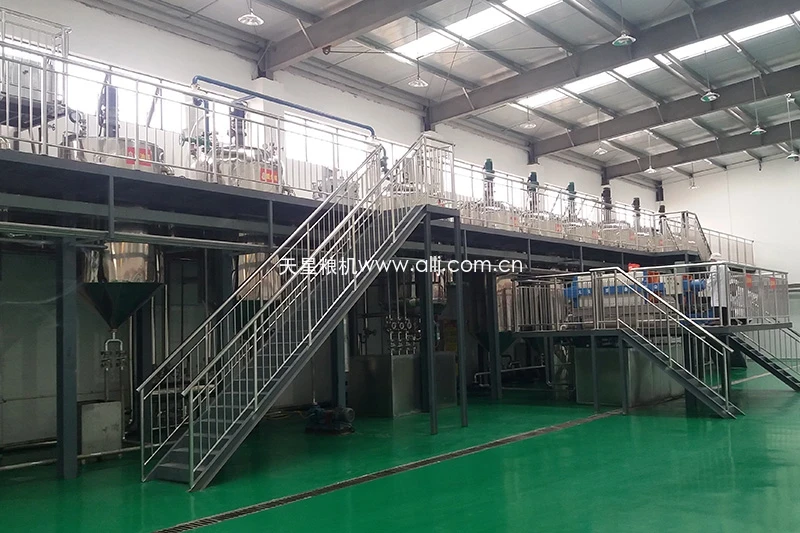
Understanding the Lifecycle of Vegetable Oil: From Extraction to Refining
Table of Contents
- 1. Introduction to Vegetable Oil Lifecycle
- 2. The Extraction Process of Vegetable Oil
- 3. The Refining Process of Vegetable Oil
- 4. Quality Control in Vegetable Oil Production
- 5. Sustainability in Vegetable Oil Production
- 6. Future Trends in Vegetable Oil Processing
- 7. FAQs about Vegetable Oil Lifecycle
- 8. Conclusion
1. Introduction to Vegetable Oil Lifecycle
The lifecycle of vegetable oil encompasses a series of intricate processes that transform raw oilseeds into the refined products utilized in cooking, food processing, and various industrial applications. Understanding this lifecycle is essential for appreciating the complexities involved in producing high-quality edible oils.
Vegetable oils, derived from diverse plant sources such as soybeans, sunflowers, and canola, undergo extensive processing to ensure they meet quality and safety standards. This article will delve deeply into each stage of the vegetable oil lifecycle, offering insights into extraction, refining, quality control, and sustainability practices.
2. The Extraction Process of Vegetable Oil
The journey of vegetable oil begins with the extraction of oil from oilseeds. This stage is crucial, as it determines the yield and quality of the oil produced.
2.1 Selecting the Right Oilseeds
The selection of oilseeds is foundational to the extraction process. Different oilseeds—such as soybeans, sunflowers, and rapeseed—offer varying oil content and flavor profiles. Farmers and agronomists utilize specific criteria to select high-yield varieties that maximize oil extraction while ensuring high nutritional value.
Several factors influence the choice of oilseeds, including climate, soil conditions, and market demand. For instance, **soybeans** are prevalent in North America due to their adaptability, while **sunflower seeds** thrive in warmer climates. Careful selection not only enhances oil yield but also contributes to sustainability by promoting crop rotation and reducing soil depletion.
2.2 Common Extraction Methods
Once high-quality oilseeds are selected, the extraction process can begin. There are primarily two methods used for extracting oil: mechanical extraction and solvent extraction.
**Mechanical Extraction:** This method involves physically pressing the oilseeds to release the oil. Techniques such as cold pressing or expeller pressing are commonly employed. Cold pressing preserves more nutrients and flavor, making it popular for high-end oils. However, it typically yields less oil than solvent extraction.
**Solvent Extraction:** This method utilizes chemical solvents, usually hexane, to extract oil from oilseeds more efficiently. Although it results in a higher yield, the use of solvents necessitates additional refining steps to ensure residue removal, which can raise concerns about safety and quality.
Each extraction method has its advantages and disadvantages, and the choice often depends on the desired oil characteristics and production scale.
3. The Refining Process of Vegetable Oil
Once extracted, crude vegetable oil undergoes refining to remove impurities and undesirable elements, enhancing its quality and shelf life. The refining process can be divided into several key stages.
3.1 Degumming and Neutralization
Degumming is the first step in refining vegetable oil. This process involves the removal of phospholipids, which can cause cloudiness and affect oil stability. Water or acid is often added to the crude oil, allowing phospholipids to coagulate and be removed.
Following degumming, neutralization occurs to eliminate free fatty acids that can impart an unpleasant taste. This step typically involves the use of alkali, which reacts with the free fatty acids, forming soap that can be separated from the oil.
3.2 Bleaching Process
Bleaching is essential for improving the color and clarity of the oil. During this stage, bleaching earth or activated carbon is added to the oil, which adsorbs pigments and other impurities. This step not only enhances the visual appeal but also removes trace metals that could catalyze oxidation, thereby prolonging shelf life.
The effectiveness of the bleaching process heavily relies on the type of oil and the conditions under which it is processed. Properly executed, bleaching can significantly enhance the quality of the final product.
3.3 Deodorization Techniques
Deodorization is the final stage of the refining process, where volatile compounds that contribute to undesirable odors and flavors are removed. This step typically involves steam distillation at high temperatures under vacuum conditions. The use of steam allows for the effective extraction of these compounds without adversely affecting the oil's quality.
This process is crucial for achieving the neutral flavor expected in many cooking oils, particularly those used in food production.
4. Quality Control in Vegetable Oil Production
Quality control is integral throughout the vegetable oil lifecycle, ensuring that the final product meets safety standards and consumer expectations. Various testing methods are employed to assess quality at different stages of production.
**Chemical Analysis:** Laboratory tests are conducted to measure parameters such as acidity, peroxide value, and saponification value. These analyses help identify any degradation or contamination in the oil.
**Sensory Evaluation:** A panel of trained professionals conducts sensory evaluations to assess the oil's taste, smell, and overall quality. This qualitative assessment is particularly important for high-end oils where flavor plays a significant role in consumer preference.
**Traceability:** Implementing traceability systems allows producers to track oil from seed to shelf. This practice is essential for addressing safety recalls and ensuring compliance with food safety regulations.
By maintaining rigorous quality control measures, producers can safeguard the integrity of vegetable oils, ensuring they are safe and enjoyable for consumers.
5. Sustainability in Vegetable Oil Production
As awareness of environmental issues grows, sustainability has become a critical consideration in the vegetable oil industry. Producers are increasingly adopting practices that minimize their ecological footprint and promote social responsibility.
**Sustainable Farming Practices:** Utilizing crop rotation, reduced chemical inputs, and organic farming methods helps maintain soil health and biodiversity. These practices not only support the environment but also enhance the long-term viability of oilseed production.
**Certification Programs:** Various certification schemes, such as the Roundtable on Sustainable Palm Oil (RSPO), promote sustainable practices within the industry. These programs provide consumers with assurance that the products they purchase are sourced responsibly.
**Waste Management:** Innovations in waste management, such as converting by-products from oil extraction into biofuels or animal feed, not only reduce waste but also contribute to the circular economy.
By prioritizing sustainability, the vegetable oil industry is taking steps toward reducing its impact on the planet and ensuring a more responsible supply chain.
6. Future Trends in Vegetable Oil Processing
The vegetable oil industry is evolving rapidly, driven by technological advancements, changing consumer preferences, and the need for sustainable practices. Several trends are shaping the future of vegetable oil processing.
**Technological Innovations:** Advances in extraction and refining technologies, such as supercritical fluid extraction and enzyme-assisted methods, are enhancing efficiency and yield. These innovations allow for the production of higher-quality oils with fewer chemicals.
**Plant-Based Oils:** As the trend toward plant-based diets continues to grow, there is increasing interest in oils derived from non-traditional sources, such as algae and hemp. These alternative oils are being explored for their nutritional profiles and environmental benefits.
**Transparency and Traceability:** Consumers are increasingly demanding transparency in food sourcing. Technologies like blockchain are being utilized to enhance traceability, allowing consumers to know precisely where their oil comes from and how it was produced.
By embracing these trends, the vegetable oil industry can adapt to changing market dynamics while continuing to meet consumer demands for quality, safety, and sustainability.
7. FAQs about Vegetable Oil Lifecycle
**Q1: What are the main sources of vegetable oil?**
A1: The most common sources of vegetable oil include soybeans, sunflowers, canola, palm, and corn. Each source offers unique flavor profiles and nutritional benefits.
**Q2: How is vegetable oil refined?**
A2: Vegetable oil is refined through several processes, including degumming, neutralization, bleaching, and deodorization, which remove impurities and enhance quality.
**Q3: Why is quality control important in vegetable oil production?**
A3: Quality control ensures that vegetable oils meet safety standards and consumer expectations, preventing contamination and degradation during production.
**Q4: What sustainable practices are used in vegetable oil production?**
A4: Sustainable practices include crop rotation, organic farming, certification programs, and waste management strategies to minimize environmental impact.
**Q5: What future trends are emerging in the vegetable oil industry?**
A5: Future trends include technological innovations in extraction and refining, a shift toward plant-based oils, and increased transparency and traceability in sourcing.
8. Conclusion
Understanding the lifecycle of vegetable oil from extraction to refining reveals the complexity and intricacies involved in producing this essential commodity. Each stage, from selecting the right oilseeds to implementing sustainable practices, plays a crucial role in determining the quality and integrity of the final product.
As the industry continues to evolve, embracing innovative technologies and sustainable practices will ensure that vegetable oil remains a vital ingredient in our kitchens and food production systems. By prioritizing quality, safety, and sustainability, the vegetable oil industry can meet the demands of modern consumers while preserving the environment for future generations.
This comprehensive guide serves to illuminate the journey of vegetable oil, promoting awareness and appreciation for the processes that bring this vital resource to our tables.
