
A Comprehensive Guide to Edible Oil Refining for Newcomers
2026/03/02
A Comprehensive Guide to Edible Oil Refining for Newcomers
Table of Contents
- 1. Introduction to Edible Oil Refining
- 2. Importance of Edible Oil Refining
- 3. Raw Materials in Edible Oil Refining
- 4. Key Processes in Edible Oil Refining
- 5. Equipment Used for Edible Oil Refining
- 6. Quality Control in Edible Oil Refining
- 7. Safety Considerations in Edible Oil Refining
- 8. Frequently Asked Questions
- 9. Conclusion
1. Introduction to Edible Oil Refining
Edible oil refining is a crucial process that transforms raw oils into a safe, palatable, and valuable product. This process involves multiple stages, each designed to remove impurities and enhance the oil's quality, flavor, and shelf life. For beginners, understanding this process can seem daunting, but with the right guidance, it can be a rewarding venture that opens doors to numerous opportunities in the food industry.
2. Importance of Edible Oil Refining
Refining edible oil is essential for several reasons:
- **Removal of Impurities**: Raw oils contain various contaminants, including phospholipids, free fatty acids, and other unwanted substances. Refining ensures these are eliminated, resulting in cleaner, safer oil.
- **Enhanced Flavor and Aroma**: Refining removes the strong odors and flavors associated with raw oils, making them more appealing to consumers.
- **Extended Shelf Life**: Refined oils have a longer shelf life compared to unrefined oils, making them more suitable for commercial sale and use.
- **Improved Nutritional Profile**: Through the refining process, harmful substances can be removed, leading to a healthier product for consumers.
3. Raw Materials in Edible Oil Refining
Before diving into the refining process, it’s crucial to understand the raw materials involved. The most common sources of edible oils include:
- **Vegetable Seeds**: Common sources include soybeans, sunflower seeds, and canola seeds.
- **Nuts**: Almonds, peanuts, and walnuts also yield high-quality edible oils.
- **Fruits**: Olives and avocados are among the fruits from which edible oils are extracted.
Choosing high-quality raw materials is the first step toward producing superior refined oil.
4. Key Processes in Edible Oil Refining
The refining of edible oils typically encompasses several key processes. Each step is designed to improve the oil's quality and safety. Below, we explore these essential processes in detail.
4.1 Degumming
Degumming is the initial step in the refining process, primarily aimed at removing phospholipids and other impurities. This is typically achieved by:
- **Adding Water**: Water is added to the oil, allowing the phospholipids to hydrate and form a gel-like substance.
- **Centrifugation**: The oil is then centrifuged to separate the hydrated impurities from the clean oil.
This step is crucial as it prevents the phospholipids from affecting subsequent refining stages.
4.2 Neutralization
After degumming, the next step is neutralization, which involves removing free fatty acids (FFA) from the oil. High levels of FFA can lead to rancidity and off-flavors. The neutralization process typically includes:
- **Alkali Treatment**: An alkali, usually sodium hydroxide, is added to the oil, which reacts with the free fatty acids to form soap.
- **Separation**: The soap, along with other impurities, is separated from the oil through centrifugation.
This process significantly improves the oil's flavor and stability.
4.3 Bleaching
Bleaching is the process of removing color pigments and additional impurities from the oil. This step ensures that the final product has an appealing appearance. The bleaching process generally involves:
- **Adsorption**: Bleaching earth and activated carbon are added to the oil. These substances adsorb pigments and impurities.
- **Filtration**: The oil is then filtered to remove the bleaching agents and the adsorbed impurities.
The result is a lighter, more visually appealing oil.
4.4 Deodorization
The final step in the refining process is deodorization, aimed at removing any undesirable odors and flavors. This is usually accomplished through:
- **Steam Distillation**: The oil is heated under vacuum, and steam is introduced. The steam carries away volatile compounds, including odors, leaving the oil with a neutral taste and smell.
- **Cooling**: After deodorization, the oil is cooled and prepared for packaging.
This step is vital for ensuring that the oil is pleasant for cooking and consumption.
5. Equipment Used for Edible Oil Refining
Successful edible oil refining requires specialized equipment for each stage of the process. Here’s a rundown of essential machinery used in oil refining:
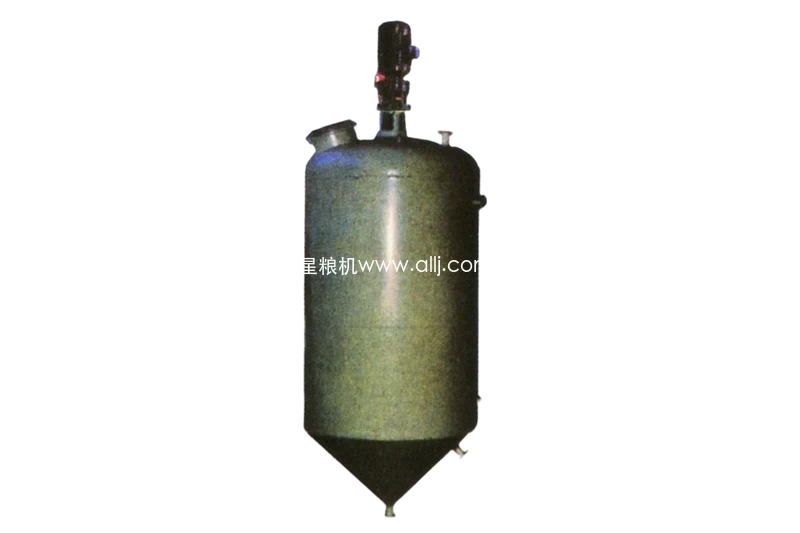
- **Degumming Tank**: Used for mixing oil with water and facilitating the degumming process.
- **Neutralizer**: A vessel where alkali is added to the oil for neutralization.
- **Centrifuge**: This machine separates impurities and the oil after degumming and neutralization.
- **Bleaching Tower**: A unit designed for the bleaching process where bleaching agents are added.
- **Deodorizer**: A vacuum distillation unit that effectively removes odors and flavors from the oil.
Investing in high-quality equipment is critical to ensure the efficiency and efficacy of the refining process.
6. Quality Control in Edible Oil Refining
Quality control is a vital aspect of edible oil refining. Consistency in the final product is essential for consumer satisfaction and regulatory compliance. Key elements of quality control include:
- **Regular Sampling**: Samples should be taken at various stages to ensure compliance with quality standards.
- **Laboratory Testing**: Oils are tested for parameters such as acidity, color, and flavor to identify any deviations from the desired quality.
- **Traceability**: Maintaining records of raw materials and processing conditions helps trace any issues back to their source.
Implementing a robust quality control program ensures that only the best products reach consumers.
7. Safety Considerations in Edible Oil Refining
Safety should always be a priority in the edible oil refining process. Some key safety considerations include:
- **Proper Training**: All employees should receive training on the safe operation of machinery and equipment.
- **Personal Protective Equipment (PPE)**: Workers should wear appropriate PPE, including gloves, goggles, and masks, to protect against hazards.
- **Emergency Procedures**: Establishing clear emergency procedures can help mitigate risks in case of accidents or spills.
By adhering to safety protocols, facilities can minimize risks and ensure a safer working environment.
8. Frequently Asked Questions
1. What types of oils can be refined?
Refining can be done on various edible oils, including vegetable oils, nut oils, and fruit oils. Common examples include soybean oil, sunflower oil, and olive oil.
2. Is refining oil necessary?
Refining is essential for producing a clean, safe, and palatable oil. It removes impurities that could affect flavor, aroma, and shelf life.
3. What are the main stages of oil refining?
The main stages include degumming, neutralization, bleaching, and deodorization.
4. How long does the refining process take?
The time required can vary based on the scale of production and the specific processes involved, but it typically spans from several hours to a few days.
5. What are the environmental impacts of oil refining?
Oil refining can generate waste and emissions; thus, implementing environmentally friendly practices is crucial for minimizing its ecological footprint.
9. Conclusion
Edible oil refining is a multifaceted process that transforms raw oils into high-quality, market-ready products. By understanding the various stages involved—from degumming to deodorization—beginners can navigate this complex industry with confidence. By investing in quality raw materials, equipment, and implementing strict quality control measures, anyone can succeed in edible oil refining. With a commitment to safety and environmental responsibility, the journey into the world of edible oil refining can be both profitable and sustainable.
