
Top Oilseed Processing Equipment Innovations for 2023: Transforming the Agriculture Industry
2026/03/04
Introduction to Oilseed Processing Innovations
The oilseed processing industry plays a pivotal role in the agricultural sector, contributing to the production of edible oils and protein-rich meals. As we step into 2023, the landscape of oilseed processing equipment is evolving rapidly, driven by technological advancements and a growing emphasis on sustainability. This article explores the **top innovations** in oilseed processing equipment for 2023, highlighting how these advancements are reshaping the industry.
The Importance of Oilseed Processing in Agriculture
Oilseed processing serves several crucial functions within the agricultural framework. It not only transforms raw oilseeds into edible oils but also produces by-products like meal and cake, essential for animal feed. The efficiency of this process directly impacts the overall productivity of the agricultural sector, making it imperative to continuously innovate and improve equipment used in this domain.
Current Challenges in Oilseed Processing
The oilseed processing industry faces numerous challenges, including:
- **Rising Production Costs:** Increasing energy prices and raw material costs have tightened profit margins for processors.
- **Sustainability Concerns:** There is a growing demand for environmentally friendly practices, pushing manufacturers to develop sustainable solutions.
- **Quality Control:** Maintaining consistent quality in oil extraction and refining processes is essential for market competitiveness.
Innovative Technologies Reshaping Oilseed Processing Equipment
To address these challenges, various innovations in oilseed processing equipment have emerged in 2023. Here, we delve into the most significant advancements that are making a mark this year.
1. Advanced Extrusion Technology
Extrusion has become a cornerstone in oilseed processing, offering several advantages over traditional methods. The latest extrusion technology utilizes **high-temperature and high-pressure** conditions to enhance oil extraction efficiency. This approach not only maximizes oil yield but also preserves the nutritional quality of the oil.
Benefits of Advanced Extrusion
- Increased oil extraction rates
- Enhanced flavor and nutritional profile of oils
- Reduced energy consumption compared to conventional methods
2. Continuous Solvent Extraction Systems
The shift towards continuous solvent extraction systems represents a significant leap in oilseed processing. These systems provide a more efficient alternative to batch processing, allowing for higher throughput and reduced processing times.
Features of Continuous Solvent Extraction
- **Higher Efficiency:** Continuous flow minimizes downtime, maximizing production capacity.
- **Enhanced Safety:** Modern systems incorporate advanced safety features to mitigate risks associated with volatile solvents.
- **Lower Operational Costs:** The streamlined process reduces labor and energy requirements.
3. Smart Automation and IoT Integration
The integration of **smart automation** and the **Internet of Things (IoT)** into oilseed processing equipment is revolutionizing the industry. Smart systems enable real-time monitoring of production processes, allowing operators to make data-driven decisions.
Advantages of Smart Automation
- Improved operational efficiency through predictive maintenance
- Enhanced quality control via real-time data analysis
- Increased flexibility and adaptability to changing production demands
4. Eco-Friendly Oil Refining Technologies
As sustainability becomes a priority, the development of eco-friendly oil refining technologies is gaining traction. Innovations such as **green refining** processes utilize less harmful solvents and generate fewer waste by-products.
Key Features of Eco-Friendly Refining
- Reduced environmental impact through lower emissions
- Improved oil quality through minimal processing chemicals
- Cost savings from reduced waste management needs
Top Oilseed Processing Equipment of 2023
As we explore the innovations in oilseed processing equipment, several standout technologies and machines have emerged in 2023 that are poised to lead the industry.
1. High-Efficiency Oil Press Machines
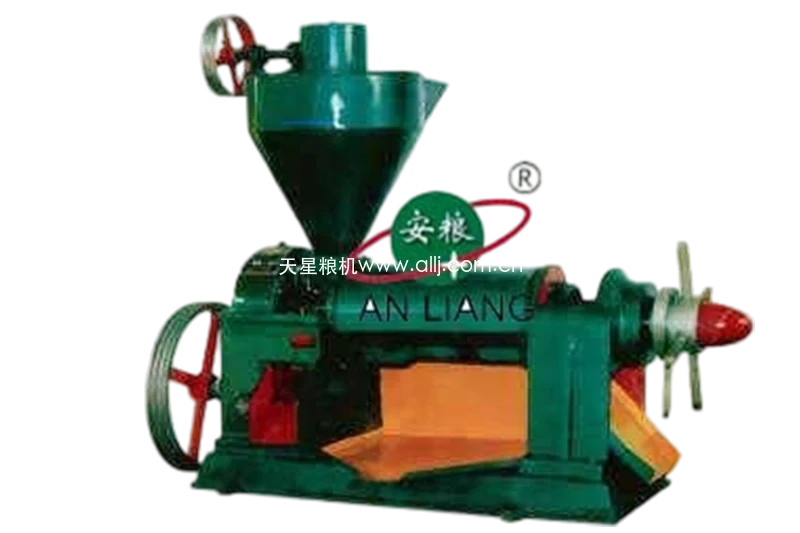
The latest high-efficiency oil press machines are designed for maximum oil yield while minimizing energy consumption. Features such as precision temperature control and advanced filtration systems enhance the extraction process.
2. Modular Oilseed Processing Plants
Modular processing plants offer flexibility and scalability, allowing producers to adapt to market demands. These plants can be easily expanded or modified, making them ideal for both small and large-scale operations.
3. Innovative Seed Cleaning Equipment
Seed cleaning is a critical step in oilseed processing, ensuring high-quality inputs for extraction. Advanced cleaning equipment featuring **air separation** and **vibration technology** improves seed quality and reduces impurities.
The Future of Oilseed Processing
Looking ahead, the future of oilseed processing will be characterized by continued innovation and adaptation to emerging challenges. Key trends include:
- **Increased Focus on Sustainability:** As consumers demand more sustainable products, the oilseed processing industry will need to prioritize eco-friendly practices and technologies.
- **Emphasis on Automation:** The integration of AI and machine learning in processing equipment will further enhance efficiency and precision in production.
- **Global Market Dynamics:** As global demand for plant-based oils continues to rise, oilseed processors will need to adapt their strategies to compete effectively.
FAQs About Oilseed Processing Equipment Innovations
1. What are the main benefits of modern oilseed processing equipment?
Modern oilseed processing equipment offers enhanced efficiency, improved oil yield, and reduced environmental impact, making it crucial for competitive production.
2. How does smart automation impact oilseed processing?
Smart automation enhances operational efficiency, enabling real-time monitoring and data analysis, which leads to better decision-making and reduced downtimes.
3. What role does sustainability play in oilseed processing for 2023?
Sustainability is a major focus in 2023, with innovations aimed at reducing emissions, waste, and energy consumption, responding to consumer demand for eco-friendly products.
4. Are modular processing plants suitable for small producers?
Yes, modular processing plants are ideal for small producers as they offer scalability, allowing for growth in production capacity without extensive capital investment.
5. What future innovations can we expect in oilseed processing?
Future innovations may include further advancements in automation, AI integration, and sustainable processing practices that enhance efficiency and product quality.
Conclusion
The oilseed processing industry is undergoing a transformative period in 2023, driven by innovative technologies and a commitment to sustainability. By embracing advanced equipment and processes, industry professionals can enhance productivity, reduce costs, and meet the evolving demands of the market. As we look to the future, staying informed about these innovations will be crucial for success in the competitive agricultural landscape.
