
Exploring the Benefits of Advanced Filtering Systems in Oil Processing
2026/03/12
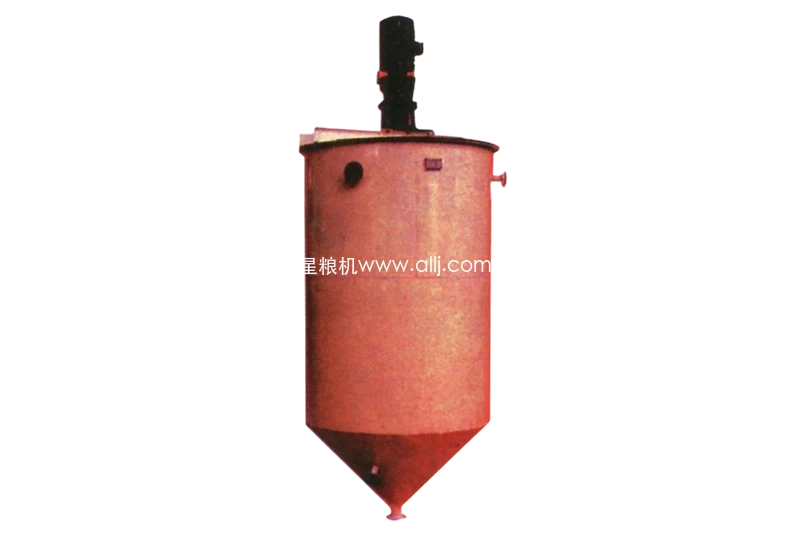
Exploring the Benefits of Advanced Filtering Systems in Oil Processing
Table of Contents
- Introduction: The Role of Filtering in Oil Processing
- Understanding Advanced Filtering Systems
- Benefits of Advanced Filtering Systems
- Enhanced Product Quality
- Increased Operational Efficiency
- Cost-Effectiveness
- Environmental Sustainability
- Implementing Advanced Filtering Systems
- Case Studies: Successful Implementations
- Future Trends in Oil Processing Filtering Technology
- FAQs About Advanced Filtering Systems
- Conclusion: Embracing Advanced Filtering for Success
Introduction: The Role of Filtering in Oil Processing
In the realm of oil processing, the quality of the final product hinges significantly on the precision of its filtration systems. **Advanced filtering systems** have emerged as a pivotal technology, ensuring that impurities and contaminants are effectively removed. As the oil industry progresses towards higher standards of purity and efficiency, understanding and implementing these systems becomes critical for producers aiming to maintain competitive advantages.
Understanding Advanced Filtering Systems
Advanced filtering systems are not merely tools; they are comprehensive solutions designed to enhance the quality and efficiency of oil processing.
Types of Filtering Techniques
There are several types of filtering techniques employed in oil processing, each serving distinct purposes:
- **Mechanical Filtration:** This involves physical barriers, such as screens or membranes, that separate particles from liquids based on size.
- **Chemical Filtration:** Utilizing chemical reactions, this method can eliminate specific contaminants that mechanical filters might miss.
- **Absorption Filtration:** This technique involves materials that can absorb unwanted substances, thereby improving the overall quality of the oil.
Key Components of Filtering Systems
Fundamental to the effectiveness of any filtering system are its components:
- **Filter Media:** The material through which oil passes, crucial for determining the filtration efficiency.
- **Pumps:** Essential for maintaining the flow and pressure of the oil, ensuring consistent filtration.
- **Monitoring Systems:** Advanced filtration setups often include sensors that track the quality of the oil, allowing for real-time adjustments.
Benefits of Advanced Filtering Systems
Implementing advanced filtering systems in oil processing provides numerous advantages that extend beyond mere compliance with industry standards.
Enhanced Product Quality
**Enhanced product quality** is perhaps the most significant benefit of utilizing advanced filtering systems. By effectively removing impurities, these systems ensure the oil meets stringent quality standards. This leads to:
- **Improved Taste:** In applications like food-grade oil, the absence of contaminants enhances flavor profiles.
- **Longer Shelf Life:** Cleaner oils are less prone to oxidation, resulting in extended freshness.
Increased Operational Efficiency
Operational efficiency is crucial for any production facility. Advanced filtering systems streamline processes by reducing downtime and enhancing throughput. Benefits include:
- **Reduced Maintenance Needs:** With cleaner oil, machinery and equipment experience less wear and tear.
- **Higher Production Rates:** Efficient filtration allows for continuous processing, minimizing interruptions.
Cost-Effectiveness
While the initial investment in advanced filtering systems may seem significant, the **cost-effectiveness** of these systems becomes apparent over time. Key financial benefits include:
- **Lower Waste Disposal Fees:** Cleaner oil reduces the volume of waste generated, lowering disposal costs.
- **Energy Savings:** Efficient systems consume less energy, leading to lower operational costs.
Environmental Sustainability
In today's eco-conscious world, **environmental sustainability** is an essential consideration for any oil processing operation. Advanced filtering systems contribute by:
- **Minimizing Pollution:** Enhanced filtration reduces the release of pollutants into the environment.
- **Promoting Recycling:** Cleaner oils can be recycled more efficiently, further reducing waste.
Implementing Advanced Filtering Systems
To reap the benefits of advanced filtering systems, proper implementation is critical.
Choosing the Right System for Your Needs
Selecting the appropriate filtering system involves assessing specific operational requirements. Factors to consider include:
- **Type of Oil Processed:** Different oils may require distinct filtration techniques.
- **Scale of Production:** Larger operations may need more robust filtration solutions.
Maintenance and Support for Filtering Systems
Routine maintenance ensures that filtering systems operate at peak performance. Strategies include:
- **Regular Inspection:** Schedule frequent checks to identify wear and tear early.
- **Staff Training:** Equip your team with knowledge on maintaining and troubleshooting the systems.
Case Studies: Successful Implementations
Examining real-world applications of advanced filtering systems can provide valuable insights. For instance, a leading edible oil manufacturer integrated a multi-stage filtration system that improved their product's purity and shelf life, resulting in a 30% increase in sales due to heightened consumer trust.
Future Trends in Oil Processing Filtering Technology
The landscape of oil processing is continually evolving, with several trends shaping the future of filtering technology:
- **Automation and AI:** Smart filtering systems equipped with AI can optimize performance in real-time based on quality assessments.
- **Nano-Filtration Technologies:** These cutting-edge systems promise even finer filtration, enhancing purity levels significantly.
FAQs About Advanced Filtering Systems
1. What are advanced filtering systems?
Advanced filtering systems are technologies designed to remove impurities from oil, improving its quality and extending its shelf life.
2. How do advanced filtering systems enhance product quality?
They efficiently remove contaminants that can affect taste, aroma, and overall quality, ensuring that the oil meets industry standards.
3. What types of filtering techniques are used in oil processing?
Common techniques include mechanical filtration, chemical filtration, and absorption filtration, each suited for different applications.
4. Are advanced filtering systems cost-effective?
Yes, while they require an initial investment, they lead to lower maintenance costs, energy savings, and reduced waste disposal fees over time.
5. How can I choose the right filtering system for my operation?
Assess your specific needs based on the type of oil processed and the scale of production, and consider consulting with industry experts for tailored solutions.
Conclusion: Embracing Advanced Filtering for Success
In the competitive landscape of oil processing, **advanced filtering systems** are no longer an option but a necessity. They not only elevate product quality and operational efficiency but also contribute to sustainability and cost-effectiveness. By understanding the intricacies of these systems and implementing the right solutions, producers can ensure their place in the industry while meeting the ever-evolving demands of consumers. Embrace advanced filtering technology today to unlock the full potential of your oil processing operations.
