
How to Master the Art of Vegetable Oil Refining: Expert Insights
2026/03/18
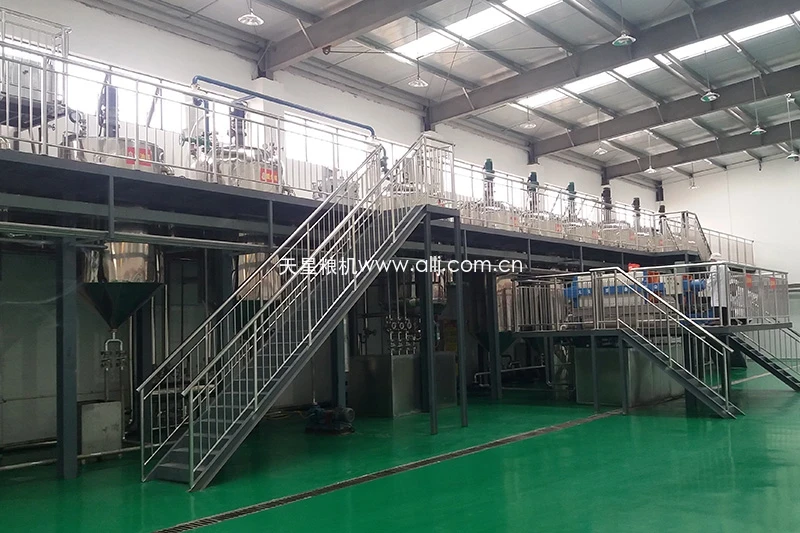
How to Master the Art of Vegetable Oil Refining: Expert Insights
Table of Contents
- 1. Introduction to Vegetable Oil Refining
- 2. Importance of Vegetable Oil Refining in Agriculture
- 3. The Vegetable Oil Refining Process Explained
- 3.1 Oil Extraction Methods
- 3.2 Degumming: The First Step
- 3.3 Neutralization Process
- 3.4 Bleaching for Purity
- 3.5 Deodorization for Quality
- 4. Essential Equipment for Vegetable Oil Refining
- 5. Ensuring Quality in Oil Refining
- 6. Common Challenges in Vegetable Oil Refining
- 7. The Future of Vegetable Oil Refining
- 8. Conclusion
- 9. FAQs about Vegetable Oil Refining
1. Introduction to Vegetable Oil Refining
Vegetable oil refining is a critical process in the agricultural food industry, transforming raw oils from various seeds into edible products. This intricate process not only enhances the quality and safety of the oil but also significantly improves its marketability. Understanding the nuances of vegetable oil refining is essential for anyone involved in agriculture, food production, or culinary arts.
2. Importance of Vegetable Oil Refining in Agriculture
The significance of vegetable oil refining cannot be overstated. Refined oils are vital for cooking, food processing, and industrial applications. The refining process removes impurities, ensuring that the oil is safe for consumption and possesses desirable sensory characteristics. Moreover, refined oils have a longer shelf life, making them more appealing to consumers and businesses alike.
3. The Vegetable Oil Refining Process Explained
The vegetable oil refining process consists of several key steps, each designed to improve the quality of the oil. Let's break down these steps to understand how they contribute to producing high-quality vegetable oils.
3.1 Oil Extraction Methods
The first step in vegetable oil refining is oil extraction. There are two primary methods of extraction: mechanical pressing and solvent extraction.
- **Mechanical Pressing**: This method involves using a screw press to extract oil from seeds. It is a traditional method that produces a higher quality oil, retaining more nutrients and flavors.
- **Solvent Extraction**: This modern technique employs chemical solvents to extract oil from seeds. While it yields more oil, the process can leave traces of solvents in the final product, necessitating thorough refining.
3.2 Degumming: The First Step
Degumming is the initial refining step, where impurities such as phospholipids are removed from the crude oil. This process typically involves adding water or dilute acid to the oil, which causes the phospholipids to form a gel-like substance that can be separated from the oil.
3.3 Neutralization Process
Following degumming, the oil undergoes neutralization. This step aims to remove free fatty acids that can cause undesirable flavors and odors. Sodium hydroxide (lye) is commonly used to neutralize these acids, resulting in soapstock that can be easily separated from the oil.
3.4 Bleaching for Purity
Bleaching is the process of removing color pigments and further impurities from the oil. Activated carbon or bleaching clays are introduced to the oil, where they adsorb unwanted materials. This step not only enhances the oil's appearance but also improves its stability and shelf life.
3.5 Deodorization for Quality
Deodorization is the final step in the refining process. It involves heating the oil under vacuum conditions to remove volatile compounds responsible for undesirable odors and flavors. This step is crucial for producing a neutral-tasting oil that can be used in various culinary applications.
4. Essential Equipment for Vegetable Oil Refining
To master vegetable oil refining, one must be familiar with the essential equipment involved in the process. Key equipment includes:
- **Screw Presses and Solvent Extractors**: Used for oil extraction.
- **Degumming Tanks**: Designed for the degumming process.
- **Neutralization Units**: Essential for removing free fatty acids.
- **Bleaching Equipment**: Includes filters and adsorption systems.
- **Deodorization Units**: Typically consist of vacuum systems and heat exchangers.
Each piece of equipment plays a vital role in ensuring the efficiency and effectiveness of the refining process.
5. Ensuring Quality in Oil Refining
Quality assurance is paramount in vegetable oil refining. It involves regular testing of raw materials and finished products to ensure they meet industry standards. Parameters such as acidity, peroxide value, and sensory attributes should be monitored to maintain high-quality standards.
6. Common Challenges in Vegetable Oil Refining
While refining vegetable oils, several challenges may arise, including:
- **Contamination**: Raw materials can be contaminated with pesticides or heavy metals, impacting oil quality.
- **Equipment Maintenance**: Regular maintenance is crucial to prevent downtime and ensure efficiency.
- **Market Fluctuations**: Changes in raw material prices can affect profitability.
Addressing these challenges requires a proactive approach and continuous improvement in refining practices.
7. The Future of Vegetable Oil Refining
As consumer preferences evolve, so does the vegetable oil refining industry. Trends such as the demand for organic oils, sustainability, and healthier options are shaping the future landscape. Refiners must adapt to these changes by innovating processes and investing in technology to enhance product quality and sustainability.
8. Conclusion
Mastering the art of vegetable oil refining involves understanding the intricate processes and challenges associated with transforming raw oils into high-quality products. By investing in knowledge, equipment, and quality assurance, producers can excel in the industry and meet the growing demand for refined vegetable oils.
9. FAQs about Vegetable Oil Refining
What is vegetable oil refining?
Vegetable oil refining is the process of purifying crude oils extracted from seeds to produce edible oils suitable for cooking and food processing.
Why is refining necessary?
Refining removes impurities, free fatty acids, and undesirable flavors, ensuring the oil is safe for consumption and has a longer shelf life.
What are the key steps in vegetable oil refining?
The key steps include oil extraction, degumming, neutralization, bleaching, and deodorization.
What equipment is essential for vegetable oil refining?
Essential equipment includes screw presses, degumming tanks, neutralization units, bleaching equipment, and deodorization systems.
How can quality be ensured in vegetable oil refining?
Quality can be ensured through regular testing of raw materials and finished products, monitoring key parameters such as acidity and peroxide value.
By following this comprehensive guide, individuals and businesses can gain valuable insights into the art of vegetable oil refining, paving the way for success in the industry.
