
The Role of Automation in Modern Oilseed Processing Equipment: Enhancing Efficiency and Quality
2026/03/24
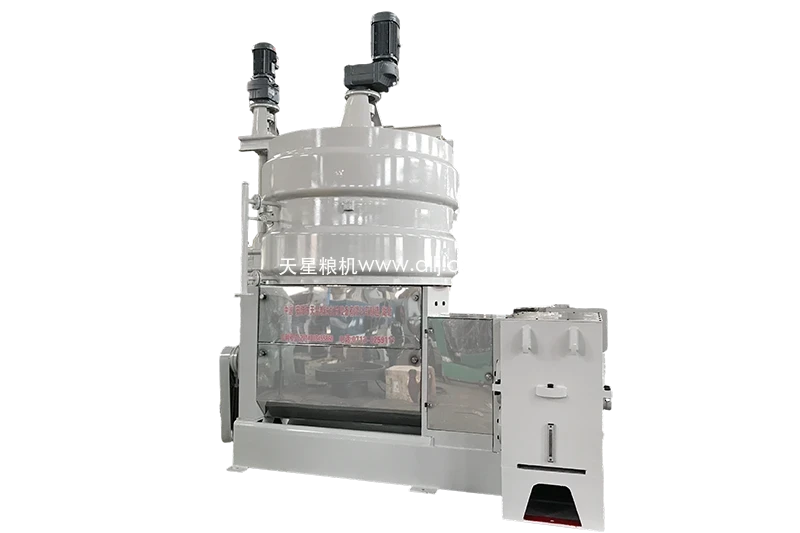
The Role of Automation in Modern Oilseed Processing Equipment
Table of Contents
- 1. Introduction to Oilseed Processing Automation
- 2. Understanding Oilseed Processing
- 3. Key Benefits of Automation in Oilseed Processing
- 4. Technological Advancements in Oilseed Processing Equipment
- 5. Components of Automated Oilseed Processing Systems
- 6. Real-World Case Studies: Automation Success Stories
- 7. Challenges of Implementing Automation and Their Solutions
- 8. Future Trends in Oilseed Processing Automation
- 9. Conclusion
- 10. FAQs
1. Introduction to Oilseed Processing Automation
The oilseed processing industry is undergoing a significant transformation, driven primarily by advancements in automation technology. As the global demand for edible oils continues to rise, the need for efficient and reliable processing methods has become paramount. Automated oilseed processing equipment enhances productivity, reduces labor costs, and improves product quality. This article delves into the pivotal role of automation in modern oilseed processing equipment, highlighting its benefits, recent technological advancements, and future prospects.
2. Understanding Oilseed Processing
Oilseed processing involves several stages, including cleaning, drying, conditioning, extraction, and refining. Key oilseeds such as soybeans, canola, and sunflower seeds undergo these processes to produce edible oils that are essential in cooking and food production. The traditional methods of oilseed processing often rely heavily on manual labor, which can lead to inconsistencies in quality and inefficiencies. By integrating automation, producers can streamline operations, ensuring a more uniform and high-quality end product.
The Importance of Oilseed Processing in the Food Industry
Oilseed processing plays a crucial role in the food industry by supplying essential fats and oils used in various culinary applications. These oils not only serve as cooking mediums but also contribute to the flavor, texture, and nutritional value of food products. Given the increasing health consciousness among consumers, the demand for high-quality, minimally processed oils is on the rise. This trend further emphasizes the need for efficient and automated processing techniques to meet consumer expectations.
3. Key Benefits of Automation in Oilseed Processing
The integration of automation in oilseed processing equipment offers numerous benefits that enhance operational efficiency and product quality. Here are some of the most significant advantages:
Improved Efficiency
Automated systems significantly increase the speed and efficiency of oilseed processing. Tasks that once required manual labor can now be completed much faster, reducing processing time and increasing throughput.
Consistent Product Quality
Automation ensures that processes are carried out with precision, leading to consistent product quality. Automated systems can monitor and adjust parameters in real time, minimizing variations in oil quality and composition.
Cost Reduction
While the initial investment in automated equipment can be substantial, the long-term cost savings are considerable. Automation reduces labor costs and minimizes waste, ultimately leading to higher profit margins.
Enhanced Safety
Automated systems reduce the need for human intervention in potentially hazardous tasks. This not only enhances worker safety but also lowers the risk of contamination, ensuring that the final product meets stringent safety standards.
Data-Driven Decision Making
Modern automated systems are equipped with sensors and data analytics capabilities. This allows operators to collect and analyze data throughout the processing stages, leading to informed decision-making and continuous improvement.
4. Technological Advancements in Oilseed Processing Equipment
The landscape of oilseed processing is rapidly evolving due to technological innovations. Significant advancements include:
Smart Sensors and IoT Integration
The Internet of Things (IoT) has transformed the way oilseed processing equipment operates. Smart sensors can monitor various parameters such as temperature, pressure, and moisture content in real time, ensuring optimal processing conditions. This technology enables predictive maintenance, reducing downtime and enhancing productivity.
Robotic Automation
Robotic systems are increasingly being integrated into oilseed processing facilities. From seed handling to packaging, robots enhance operational efficiency, reduce labor costs, and ensure consistent quality in tasks that require precision.
Advanced Extraction Technologies
Innovations in extraction technologies, such as supercritical fluid extraction and cold pressing, offer more efficient and environmentally friendly methods to extract oil from seeds. These technologies not only improve yield but also retain the nutritional quality of the oil.
5. Components of Automated Oilseed Processing Systems
Automated oilseed processing systems consist of several key components, each playing a crucial role in the efficiency and quality of the final product.
Conveying Systems
Automated conveying systems transport seeds through various processing stages with minimal manual intervention. These systems ensure a continuous flow of materials, reducing bottlenecks and enhancing productivity.
Cleaning and Conditioning Equipment
Advanced cleaning and conditioning equipment uses automated processes to prepare seeds for extraction. This includes removing impurities and conditioning seeds to optimal moisture levels for efficient oil extraction.
Extraction Machinery
Modern extraction machinery employs automation to enhance the efficiency of oil extraction processes. Techniques such as solvent extraction and mechanical pressing are optimized through automated controls, resulting in higher yields and improved oil quality.
Refining Equipment
Refining oil involves several processes, including degumming, neutralization, bleaching, and deodorization. Automated refining equipment streamlines these processes, ensuring consistent quality and compliance with food safety standards.
6. Real-World Case Studies: Automation Success Stories
Examining real-world examples of companies that have successfully implemented automation in their oilseed processing operations provides valuable insights into the benefits and challenges of such transitions.
Case Study 1: A Leading Canola Oil Producer
A major canola oil producer integrated automated extraction and refining systems, resulting in a 30% increase in production efficiency. By employing smart sensors and IoT technology, they achieved real-time monitoring and control, which significantly reduced waste and improved product quality.
Case Study 2: A Soybean Processing Facility
A soybean processing facility adopted robotic automation for packaging, leading to a 25% reduction in labor costs. The facility also reported enhanced product consistency and improved safety standards as a result of reducing human involvement in hazardous tasks.
7. Challenges of Implementing Automation and Their Solutions
While automation offers numerous benefits, the transition is not without challenges. Understanding these obstacles and exploring potential solutions is essential for successful implementation.
High Initial Investment
The upfront cost of purchasing and installing automated systems can be significant. To mitigate this, companies can explore financing options and consider phased implementation to spread costs over time.
Training and Skill Gaps
The introduction of advanced technology often requires employees to acquire new skills. Investing in training programs and workshops can help bridge the skill gap and ensure that the workforce is equipped to operate and maintain automated systems effectively.
Integration with Existing Systems
Integrating new automation technology with existing processing systems can pose technical challenges. Collaboration with experienced vendors and system integrators is crucial to facilitate seamless integration and minimize disruptions.
8. Future Trends in Oilseed Processing Automation
As technology continues to evolve, the future of oilseed processing automation looks promising. Several trends are likely to shape the industry:
Sustainability Focus
With growing awareness of environmental issues, the oilseed processing industry is expected to adopt more sustainable practices. Automation will play a critical role in optimizing resource use and minimizing waste, aligning with global sustainability goals.
AI and Machine Learning
The incorporation of artificial intelligence (AI) and machine learning into oilseed processing systems will enhance predictive analytics and decision-making capabilities. These technologies can analyze vast amounts of data to identify patterns and optimize processing conditions.
Blockchain for Traceability
Blockchain technology is expected to enhance traceability in the oilseed supply chain. By integrating blockchain with automated systems, producers can ensure transparency in sourcing and processing, meeting consumer demands for high-quality and ethically produced products.
9. Conclusion
The role of automation in modern oilseed processing equipment cannot be overstated. By enhancing efficiency, improving product quality, and reducing operational costs, automation is set to transform the oilseed processing industry. As we move towards a more technologically advanced future, the adoption of automation will enable producers to meet the rising demand for high-quality edible oils while adhering to sustainability goals. Embracing these innovations will be crucial for companies looking to thrive in a competitive market.
10. FAQs
What types of automation are used in oilseed processing?
Automation in oilseed processing includes robotic handling, smart sensors for monitoring, and automated extraction and refining machinery.
How does automation improve the quality of oilseed products?
Automation ensures consistent processing conditions, reduces human error, and enables real-time adjustments, all of which contribute to higher quality oilseed products.
What are the initial costs associated with automating oilseed processing?
Initial costs can vary, but they often include equipment purchase, installation, and training expenses. However, long-term savings can offset these costs.
What challenges might companies face when implementing automation?
Challenges include high initial investment, the need for employee training, and integration with existing systems. Addressing these issues with proper planning and support can lead to successful automation.
What is the future of automation in the oilseed processing industry?
The future of automation in oilseed processing is likely to focus on sustainability, AI integration, and enhanced traceability through technologies like blockchain, ensuring greater efficiency and product quality.
