
The Benefits of Investing in Multi-purpose Vegetable Oil Extraction Systems
2026/03/28
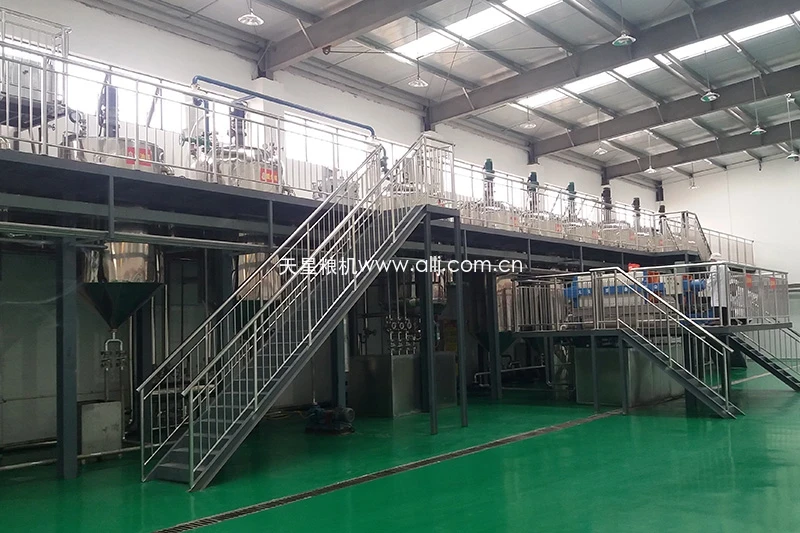
The Benefits of Investing in Multi-purpose Vegetable Oil Extraction Systems
Table of Contents
- 1. Introduction to Multi-purpose Vegetable Oil Extraction Systems
- 2. Understanding the Oil Extraction Process
- 3. Economic Benefits of Multi-purpose Systems
- 4. Enhancing Operational Efficiency
- 5. Environmental Benefits and Sustainability
- 6. Versatility and Flexibility of Multi-purpose Systems
- 7. Meeting Market Demand with Quality Output
- 8. Future Prospects for Vegetable Oil Extraction
- 9. Frequently Asked Questions
- 10. Conclusion
1. Introduction to Multi-purpose Vegetable Oil Extraction Systems
In today's competitive agricultural landscape, **investing in multi-purpose vegetable oil extraction systems** has emerged as a strategic move for businesses aiming for **growth and sustainability**. These systems are designed to streamline the extraction of oil from various seeds and nuts, facilitating a diverse range of products that meet consumer demands. By adopting these advanced systems, companies not only enhance their production capabilities but also position themselves as leaders in a rapidly evolving market.
2. Understanding the Oil Extraction Process
To fully appreciate the advantages of multi-purpose vegetable oil extraction systems, it's essential to understand the oil extraction process. This process typically involves the mechanical or chemical extraction of oil from seeds such as soybeans, sunflower, and canola.
2.1 Mechanical Extraction
Mechanical extraction, often referred to as cold pressing, utilizes pressure to extract oil without the use of chemicals. This method preserves the oil's natural properties and is preferred for high-quality edible oils.
2.2 Chemical Extraction
Chemical extraction involves the use of solvents to dissolve the oil. This method is efficient in extracting larger volumes of oil but may compromise the oil's purity. Multi-purpose systems often integrate both extraction methods, allowing businesses to choose based on their specific needs.
3. Economic Benefits of Multi-purpose Systems
Investing in multi-purpose vegetable oil extraction systems offers substantial **economic advantages** for businesses in the agricultural sector.
3.1 Cost-Effectiveness
These systems significantly reduce operational costs by eliminating the need for multiple machines. Businesses can process various oil seeds with a single machine, leading to lower maintenance and labor costs.
3.2 Increased Revenue Streams
By producing multiple types of oils, businesses can cater to diverse markets, creating new revenue streams. This flexibility allows them to adapt to changing consumer preferences and market trends.
3.3 Improved Profit Margins
Higher efficiency and reduced waste translate into improved profit margins. With optimized extraction processes, businesses can achieve a higher yield from their raw materials, enhancing overall profitability.
4. Enhancing Operational Efficiency
Operational efficiency is critical in today's fast-paced market. Multi-purpose vegetable oil extraction systems are designed to optimize production processes.
4.1 Streamlined Processes
These systems integrate various functions, such as crushing, refining, and filtering, into a single unit. This integration reduces workflow interruptions and enhances productivity.
4.2 Automation and Control
Modern systems boast advanced automation features, allowing for precise control over extraction parameters. This automation minimizes human error and ensures consistent product quality.
5. Environmental Benefits and Sustainability
Sustainability is a growing concern in the agricultural sector. Multi-purpose vegetable oil extraction systems contribute positively to the environment.
5.1 Reduced Energy Consumption
These systems are designed for energy efficiency, using less energy compared to traditional extraction methods. Lower energy consumption results in reduced carbon footprints for businesses.
5.2 Waste Reduction
By maximizing oil extraction and minimizing residual waste, these systems contribute to a more sustainable production model. This efficiency aligns with global sustainability goals.
6. Versatility and Flexibility of Multi-purpose Systems
One of the standout features of multi-purpose vegetable oil extraction systems is their versatility.
6.1 Wide Range of Oil Seeds
These systems can process various oil-bearing seeds, including but not limited to, sunflower, palm, soybean, and canola. This versatility enables businesses to adapt to market demands swiftly.
6.2 Customization Options
Many multi-purpose systems come with customizable settings, allowing operators to adjust parameters based on the specific type of seed being processed. This adaptability enhances product quality and operational flexibility.
7. Meeting Market Demand with Quality Output
The global demand for vegetable oils continues to rise due to growing health awareness and culinary trends. Multi-purpose vegetable oil extraction systems position businesses to meet this demand effectively.
7.1 Quality Assurance
Investing in advanced extraction systems ensures that businesses deliver high-quality oil products that meet industry standards. Consumers are increasingly concerned about the purity and quality of the oils they purchase.
7.2 Adaptation to Trends
As dietary preferences shift towards healthier oils, businesses equipped with multi-purpose extraction systems can quickly pivot to cater to these trends, ensuring they stay relevant in the marketplace.
8. Future Prospects for Vegetable Oil Extraction
The future of vegetable oil extraction is promising, especially with the continuous advancements in technology.
8.1 Innovations and Developments
Emerging technologies such as **biotechnology** and **nanotechnology** are anticipated to enhance extraction efficiency further. These innovations will create even more opportunities for businesses to expand their product lines.
8.2 Global Market Trends
With the rising demand for organic and non-GMO oils, businesses investing in multi-purpose vegetable oil extraction systems are well-positioned to take advantage of these trends, ensuring long-term sustainability and profitability.
9. Frequently Asked Questions
Q1: What types of oil can be extracted using multi-purpose systems?
A: Multi-purpose vegetable oil extraction systems can extract oils from a wide range of seeds, including sunflower, soybean, canola, and palm oil.
Q2: Are multi-purpose systems energy efficient?
A: Yes, these systems are designed with energy efficiency in mind, helping to reduce operational costs and environmental impact.
Q3: How do multi-purpose systems improve profitability?
A: By streamlining operations, reducing waste, and allowing for the production of multiple oil types, businesses can increase their profit margins.
Q4: What are the advantages of mechanical extraction over chemical extraction?
A: Mechanical extraction preserves the oil's natural properties and ensures a higher quality product, while chemical extraction yields higher volumes but may compromise purity.
Q5: How can these systems help businesses adapt to market changes?
A: Their versatility allows businesses to quickly switch between oil types and adjust production processes to meet evolving consumer preferences.
10. Conclusion
Investing in multi-purpose vegetable oil extraction systems is a strategic move for businesses in the agricultural food industry. With undeniable economic benefits, enhanced operational efficiency, and a commitment to sustainability, these systems empower organizations to thrive in a competitive landscape. As market trends continue to evolve, those equipped with advanced extraction technologies will be well-positioned to meet consumer demands, ensuring long-term success and profitability. By embracing innovation, businesses can secure their place in the future of vegetable oil extraction.
Previous:
