
Efficient Oilseed Handling and Conveying Equipment for Optimal Processing
2026/04/10
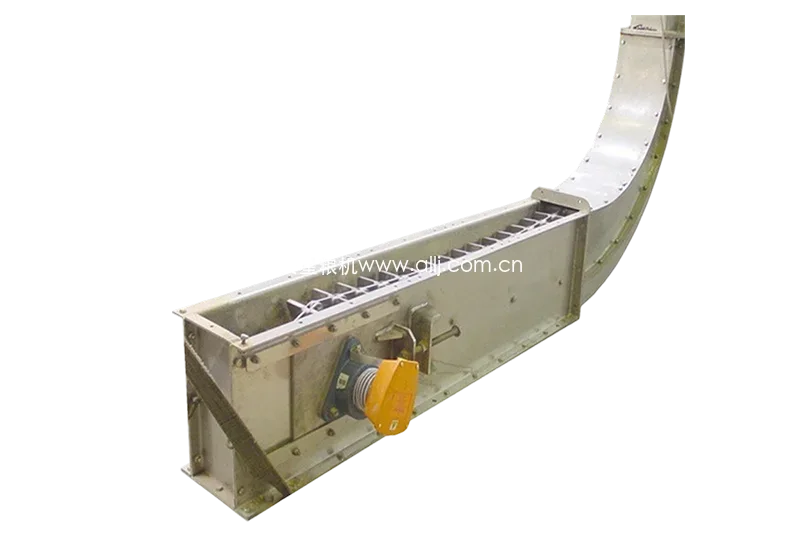
The oilseed processing industry relies heavily on effective handling and conveying equipment to ensure a seamless flow of materials from one stage of production to another. This equipment plays a vital role in managing the transportation of raw oilseeds, which can include soybeans, sunflower seeds, and canola, among others. Selecting the right handling and conveying systems can significantly impact the efficiency and overall productivity of the oil extraction process.
One of the primary considerations in oilseed handling is the choice of conveying systems. Various types of conveyors are available, each suited for different operational needs. For instance, screw conveyors are widely used for their ability to transport bulk materials at a controlled rate. They are particularly effective in moving oilseeds from storage bins to processing equipment without causing damage to the seeds. Additionally, belt conveyors offer another reliable solution, providing a continuous flow of materials over long distances while maintaining the integrity of the oilseeds.
Moreover, the incorporation of automated systems in oilseed handling can enhance accuracy and reduce labor costs. Automated handling systems, equipped with sensors and control mechanisms, can facilitate the monitoring of oilseed flow and levels in real-time, allowing for timely adjustments and minimizing waste. This level of precision is especially important in operations where maintaining a specific quality of oilseed is paramount.
Dust and moisture management are also critical aspects of oilseed handling. Poor handling practices can lead to the degradation of oilseed quality, impacting the final product. Therefore, investing in equipment that minimizes dust generation and controls moisture levels is essential. Dust collection systems and moisture control devices help maintain a clean and safe working environment while preserving the quality of the oilseeds.
In addition to the mechanical aspects of oilseed handling, it is crucial to consider the layout and design of the handling systems. A well-planned layout can enhance workflow efficiency, reduce bottlenecks, and ensure that all parts of the processing line are coordinated effectively. This holistic approach ensures that oilseed handling and conveying equipment aligns with the overall objectives of the edible oil processing facility.
In conclusion, the selection and implementation of appropriate oilseed handling and conveying equipment are vital for enhancing the efficiency of oilseed processing. By understanding the various types of equipment available, integrating automation, managing dust and moisture, and optimizing system design, operators can significantly improve their processing capabilities and maintain high standards of product quality. Emphasizing these factors will not only facilitate smoother operations but also contribute to the long-term success of edible oil processing endeavors.
One of the primary considerations in oilseed handling is the choice of conveying systems. Various types of conveyors are available, each suited for different operational needs. For instance, screw conveyors are widely used for their ability to transport bulk materials at a controlled rate. They are particularly effective in moving oilseeds from storage bins to processing equipment without causing damage to the seeds. Additionally, belt conveyors offer another reliable solution, providing a continuous flow of materials over long distances while maintaining the integrity of the oilseeds.
Moreover, the incorporation of automated systems in oilseed handling can enhance accuracy and reduce labor costs. Automated handling systems, equipped with sensors and control mechanisms, can facilitate the monitoring of oilseed flow and levels in real-time, allowing for timely adjustments and minimizing waste. This level of precision is especially important in operations where maintaining a specific quality of oilseed is paramount.
Dust and moisture management are also critical aspects of oilseed handling. Poor handling practices can lead to the degradation of oilseed quality, impacting the final product. Therefore, investing in equipment that minimizes dust generation and controls moisture levels is essential. Dust collection systems and moisture control devices help maintain a clean and safe working environment while preserving the quality of the oilseeds.
In addition to the mechanical aspects of oilseed handling, it is crucial to consider the layout and design of the handling systems. A well-planned layout can enhance workflow efficiency, reduce bottlenecks, and ensure that all parts of the processing line are coordinated effectively. This holistic approach ensures that oilseed handling and conveying equipment aligns with the overall objectives of the edible oil processing facility.
In conclusion, the selection and implementation of appropriate oilseed handling and conveying equipment are vital for enhancing the efficiency of oilseed processing. By understanding the various types of equipment available, integrating automation, managing dust and moisture, and optimizing system design, operators can significantly improve their processing capabilities and maintain high standards of product quality. Emphasizing these factors will not only facilitate smoother operations but also contribute to the long-term success of edible oil processing endeavors.
Oilseed Handling and Conveying Equipment
