
Understanding the Different Types of Edible Oil Refining Methods: A Comprehensive Guide
2026/05/13
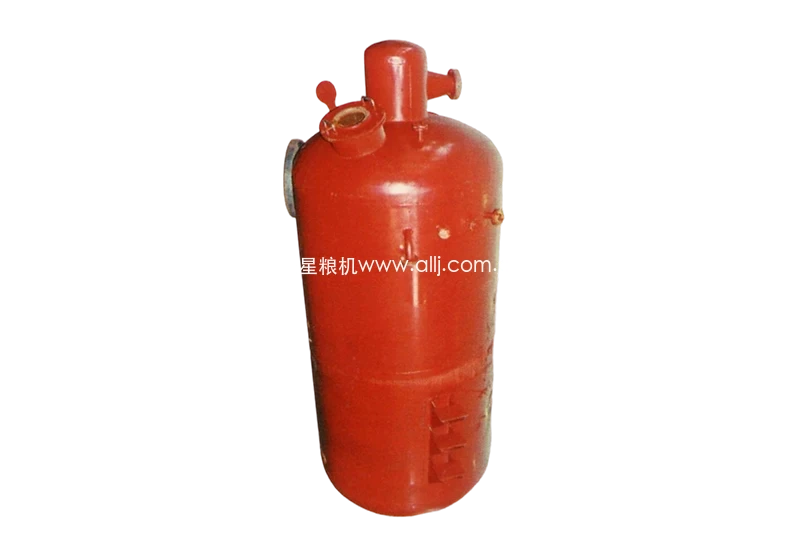
Understanding the Different Types of Edible Oil Refining Methods
Table of Contents
- Introduction to Edible Oil Refining
- Importance of Edible Oil Refining
- Types of Edible Oil Refining Methods
- Comparison of Refining Techniques
- Impact of Refining on Oil Quality
- Environmental Considerations in Oil Refining
- The Future of Edible Oil Refining
- Frequently Asked Questions (FAQs)
- Conclusion
Introduction to Edible Oil Refining
The process of refining edible oil is crucial for ensuring that the oil is safe for consumption and has a desirable taste, aroma, and shelf life. Refining helps in removing impurities, unwanted flavors, and toxins from oils extracted from various seeds, nuts, and fruits. As consumer preferences shift toward healthier options, understanding the various methods of edible oil refining has become increasingly important.
Importance of Edible Oil Refining
Edible oil refining is a vital process for several reasons:
1. **Quality Improvement**: Refining enhances the quality of crude oils by removing impurities, which can impact flavor and nutritional value.
2. **Shelf Life Extension**: Properly refined oils have a longer shelf life, making them more suitable for both producers and consumers.
3. **Health Safety**: Refining removes harmful substances, ensuring that the oil is safe for consumption.
4. **Market Standards**: Refined oils meet industry standards, making them more attractive to consumers.
Understanding the significance of refining methods empowers stakeholders in the edible oil market to make informed decisions regarding production and consumption.
Types of Edible Oil Refining Methods
Edible oil refining can be broadly categorized into several methods, each with unique processes and advantages.
Physical Refining
Physical refining involves the use of heat and steam instead of chemicals to remove free fatty acids (FFA) and other impurities. This method is often preferred for oils that are sensitive to chemical reactions, such as palm oil.
**Advantages of Physical Refining**:
- **Minimal Chemical Use**: This method reduces the need for chemical solvents, making the process more environmentally friendly.
- **Retention of Nutrients**: Physical refining helps retain certain nutrients and flavor compounds that can be lost in chemical refining.
- **Lower Production Costs**: This method requires less energy and fewer resources, which can lead to overall lower production costs.
**Process Overview**:
1. **Degumming**: The oil is heated and treated with water, which helps remove gums and phospholipids.
2. **Neutralization**: The oil is treated to remove free fatty acids, often using steam or heat.
3. **Bleaching**: The oil undergoes bleaching to remove color pigments and remaining impurities.
4. **Deodorization**: The final step involves removing volatile compounds that contribute to odor and taste.
Chemical Refining
Chemical refining employs chemical agents, such as alkalis, to neutralize free fatty acids, leading to more efficient purification. This method is commonly used for oils like soybean and sunflower oil.
**Advantages of Chemical Refining**:
- **Higher Efficiency**: Chemical refining tends to be quicker and more effective in removing impurities.
- **Wider Application**: This method is adaptable for a broader range of oils and can handle oils with higher levels of impurities.
**Process Overview**:
1. **Neutralization**: Alkali is added to the oil to react with free fatty acids, forming soapstock, which is then removed.
2. **Bleaching**: Similar to physical refining, bleaching is done to eliminate pigments and impurities.
3. **Deodorization**: Chemical refining typically includes more aggressive deodorization to remove odors and flavors.
Wet Refining
Wet refining is a hybrid method that combines both physical and chemical refining processes. It uses water in conjunction with chemical agents, making it suitable for certain oil types.
**Advantages of Wet Refining**:
- **Improved Quality**: Combines the benefits of both methods, ensuring high oil quality.
- **Lower Chemical Residuals**: The use of water reduces the amount of chemicals needed, promoting a healthier product.
**Process Overview**:
1. **Water Degumming**: Water is used to separate gums, similar to physical refining.
2. **Chemical Neutralization**: Alkali is added to neutralize free fatty acids.
3. **Bleaching and Deodorization**: The remaining processes are similar to those in both physical and chemical refining.
Dry Refining
Dry refining differs from wet refining in that it does not use water during the degumming process. This method is often used when processing oilseeds with lower gum content.
**Advantages of Dry Refining**:
- **Reduced Processing Time**: Without the need for water, the process can be faster.
- **Less Equipment Needed**: Fewer tanks and processes can lead to lower capital investment.
**Process Overview**:
1. **Degumming**: Mechanical or thermal methods are used to remove gums without water.
2. **Neutralization**: Free fatty acids are neutralized using alkali.
3. **Bleaching and Deodorization**: The oil is then bleached and deodorized as per standard procedures.
Comparison of Refining Techniques
When considering which refining method to use, several factors come into play, including oil type, desired quality, production costs, and environmental impact.
| Method | Advantages | Disadvantages | Best Used For |
|-------------------|--------------------------------------|---------------------------------|--------------------------|
| Physical Refining | Minimal chemicals, retains nutrients | Longer processing time | Sensitive oils (e.g., palm) |
| Chemical Refining | Higher efficiency, adaptable | More chemical use | Oils with high impurities |
| Wet Refining | Combines benefits, lower chemicals | More complex process | Varied oil types |
| Dry Refining | Faster, less equipment needed | Limited to low-gum oils | Specific oilseed types |
Choosing the right refining method is essential for producing high-quality edible oils that meet market demands.
Impact of Refining on Oil Quality
The refining process significantly influences the final quality of edible oils. Through refining, oils can achieve desirable characteristics such as:
- **Flavor and Aroma**: Effective refining removes off-flavors and odors, making the oil more palatable.
- **Color**: Bleaching processes improve the visual appeal of the oil, making it more attractive to consumers.
- **Nutritional Value**: The extent of nutrient retention varies between refining methods, impacting health benefits.
- **Oxidative Stability**: Proper refining helps oils resist rancidity, extending shelf life and maintaining freshness.
Understanding these impacts can guide consumers and producers in selecting the best refining methods for their needs.
Environmental Considerations in Oil Refining
As the world shifts toward sustainability, the edible oil refining industry is also making strides to minimize environmental impact. Important considerations include:
- **Waste Management**: Efficient methods for handling byproducts and waste materials must be developed to reduce pollution.
- **Energy Efficiency**: Oil refining processes should aim to reduce energy consumption, utilizing renewable energy sources where possible.
- **Water Use**: Minimizing water consumption, particularly in wet refining processes, is crucial for sustainability.
- **Chemical Use**: Reducing the use of harmful chemicals in refining processes can lead to safer products and a healthier environment.
The future of edible oil refining will likely focus on integrating sustainable practices to meet consumer demands and regulatory standards.
The Future of Edible Oil Refining
The edible oil refining industry is evolving rapidly, with trends such as:
1. **Technological Advancements**: Innovations in refining technologies are making processes more efficient and eco-friendly.
2. **Consumer Awareness**: Increased knowledge about health and environmental issues is prompting demand for minimally processed oils.
3. **Sustainable Practices**: Producers are adopting practices that align with sustainability goals, such as reducing waste and energy consumption.
4. **Organic and Non-GMO Options**: There is a rising demand for organic and non-GMO oils, necessitating new methods of production and refinement.
Staying informed about these developments is essential for anyone involved in the edible oil industry.
Frequently Asked Questions (FAQs)
What is the primary goal of edible oil refining?
The primary goal of edible oil refining is to improve the quality and safety of crude oils by removing impurities and enhancing their taste, aroma, and shelf life.
What are the most common edible oils that undergo refining?
Common edible oils that undergo refining include soybean oil, sunflower oil, palm oil, canola oil, and olive oil.
Can refining affect the nutritional value of oils?
Yes, the refining process can impact the nutritional value of oils. Some methods may retain more nutrients than others, so the choice of refining technique is important.
Are there any health risks associated with consuming unrefined oils?
Unrefined oils may contain impurities and higher levels of free fatty acids, which can pose health risks if consumed in large quantities. Proper refining enhances safety for consumption.
How can consumers choose the best edible oil?
Consumers should look for oils that are minimally processed, with clear labeling indicating the refining method used. Opting for organic or sustainably produced oils can also be beneficial.
Conclusion
Understanding the various edible oil refining methods is essential for producers, consumers, and anyone involved in the food industry. Each refining technique offers unique advantages and impacts the final quality of oils. As the market evolves, staying informed about these processes will not only enhance product quality but also align with consumer preferences for healthier and more sustainable options. Through careful selection of refining methods and awareness of environmental considerations, stakeholders can contribute to a better future in the edible oil industry.
