
Navigating Regulatory Requirements for Vegetable Oil Extraction and Refining: A Comprehensive Guide
2026/05/27
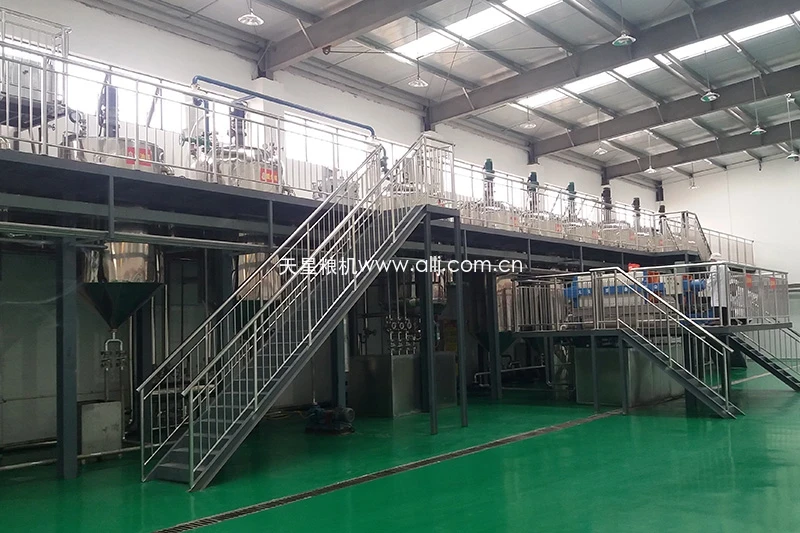
Navigating Regulatory Requirements for Vegetable Oil Extraction and Refining
In the rapidly evolving landscape of the agricultural food industry, particularly in the **vegetable oil extraction and refining** sector, navigating regulatory requirements is essential for ensuring compliance, safety, and product quality. This comprehensive guide aims to provide a detailed overview of the regulatory landscape, highlighting critical standards and practices that every stakeholder should be aware of.
Table of Contents
- Understanding Vegetable Oil Regulations
- Importance of Compliance in the Vegetable Oil Industry
- Key Regulatory Bodies and Their Roles
- Essential Regulatory Requirements for Extraction
- Best Practices in Refining Vegetable Oils
- Safety Standards and Quality Assurance
- Environmental Considerations in Oil Processing
- Future Trends in Regulatory Compliance
- Frequently Asked Questions
Understanding Vegetable Oil Regulations
The vegetable oil industry is governed by a myriad of regulations aimed at ensuring product safety, environmental sustainability, and fair trade practices. These regulations vary by country and region, reflecting local agricultural practices, health standards, and economic conditions. Familiarizing oneself with these regulations is crucial for businesses aiming to thrive in the competitive landscape of the vegetable oil market.
The primary goal of these regulations is to protect consumers from unsafe products while promoting sustainable agricultural practices. Compliance with these regulations can significantly enhance a company's reputation and marketability, leading to increased consumer trust and brand loyalty.
Types of Regulations Affecting Vegetable Oil Extraction
1. **Food Safety Regulations**: Establish standards for food production and processing, ensuring that vegetable oils are safe for human consumption.
2. **Environmental Regulations**: Govern the environmental impact of oil extraction and refining processes, promoting eco-friendly practices.
3. **Agricultural Regulations**: Involve the cultivation and harvesting of oilseeds, ensuring that sustainable farming practices are employed.
4. **Trade Regulations**: Cover import and export laws, tariffs, and international trade agreements affecting the vegetable oil market.
Importance of Compliance in the Vegetable Oil Industry
Compliance with regulatory requirements is not merely a legal obligation; it is a fundamental component of operational excellence. The benefits of adhering to these regulations include:
- **Consumer Safety**: Ensuring products are safe to consume protects public health and reduces liability for producers.
- **Market Access**: Compliance opens doors to new markets, as many countries require strict adherence to safety and quality standards.
- **Brand Reputation**: A commitment to regulatory compliance enhances a brand’s reputation, fostering consumer trust and loyalty.
- **Operational Efficiency**: Following best practices can lead to improved operational efficiencies, reducing waste and increasing profitability.
The Economic Impact of Non-Compliance
Failing to comply with regulations can lead to severe consequences, including fines, product recalls, and damage to brand reputation. Companies may also face legal actions that can hinder growth and profitability. Therefore, investing in compliance is not just about avoiding penalties; it's about securing a competitive advantage in the marketplace.
Key Regulatory Bodies and Their Roles
Numerous regulatory bodies oversee the vegetable oil industry, each with specific mandates. Understanding their roles can help businesses navigate the regulatory landscape more effectively.
1. Food and Drug Administration (FDA)
In the United States, the FDA oversees food safety standards, including those for vegetable oils. The agency enforces regulations related to labeling, safety, and production practices to ensure that edible oils are safe for consumption.
2. European Food Safety Authority (EFSA)
The EFSA plays a similar role in Europe, providing scientific advice on food-related risks and establishing safety standards for food products, including vegetable oils.
3. Environmental Protection Agency (EPA)
The EPA regulates environmental impacts associated with oil extraction and refining processes, promoting practices that minimize pollution and protect natural resources.
4. National Oilseed Processors Association (NOPA)
NOPA represents the interests of the oilseed processing industry in the U.S. and provides guidance on best practices and compliance with industry standards.
Essential Regulatory Requirements for Extraction
The extraction process is critical in determining the quality and safety of vegetable oils. Adhering to regulatory requirements during this phase is essential for producing high-quality oils.
1. Compliance with Safety Standards
Establishing safety protocols for equipment and personnel is vital. This includes regular inspections, maintenance, and training to prevent accidents and ensure a safe working environment.
2. Quality Control Measures
Implementing rigorous quality control protocols ensures that extracted oils meet safety and quality standards. This may involve laboratory testing for contaminants and adherence to specific composition standards.
3. Traceability Requirements
Many regulations require traceability of raw materials used in oil extraction. This means that businesses must maintain records detailing the source of their oilseeds and the entire production process.
Best Practices in Refining Vegetable Oils
The refining process transforms crude vegetable oils into consumable products. Adhering to best practices during this stage can enhance product quality and ensure compliance.
1. Degumming and Neutralization
Degumming removes impurities and ensures that the oil is suitable for consumption. Neutralization further refines the oil, removing free fatty acids and improving taste and stability.
2. Bleaching and Deodorizing
These processes enhance the oil's appearance and aroma. Bleaching removes color and odor compounds, while deodorizing eliminates undesirable scents, ensuring a neutral product that appeals to consumers.
3. Compliance with Labeling Standards
Proper labeling is crucial for consumer information and safety. Labels must accurately reflect the oil's composition, including any additives, and comply with local and international regulations.
Safety Standards and Quality Assurance
Safety standards in the vegetable oil industry are paramount for ensuring the health and well-being of consumers. Implementing comprehensive quality assurance programs helps businesses consistently meet these standards.
1. Hazard Analysis and Critical Control Points (HACCP)
HACCP is a systematic approach to food safety that identifies and mitigates potential hazards during the production process. Implementing HACCP can significantly reduce the risk of contamination and ensure product safety.
2. Good Manufacturing Practices (GMP)
GMP outlines the necessary conditions and practices required for the production of safe and high-quality products. Compliance with GMP ensures consistency and quality in vegetable oil production.
3. Regular Audits and Inspections
Conducting regular internal audits and preparing for external inspections are vital components of a robust quality assurance program. These practices help identify any areas for improvement and maintain compliance with regulatory requirements.
Environmental Considerations in Oil Processing
The environmental impact of vegetable oil extraction and refining cannot be overlooked. Regulations often address sustainability practices and minimizing ecological footprints.
1. Waste Management Practices
Effective waste management is crucial in the vegetable oil industry. Businesses should implement practices for recycling and disposing of waste materials to minimize environmental impact.
2. Emission Controls
Complying with regulations regarding emissions from oil processing facilities is essential. Implementing technologies and practices that reduce emissions contributes to a cleaner environment and compliance with environmental standards.
Future Trends in Regulatory Compliance
As the vegetable oil industry continues to evolve, so do the regulatory requirements. Staying abreast of these trends is critical for businesses aiming for long-term success.
1. Increased Focus on Sustainability
Regulatory bodies are placing greater emphasis on sustainable practices in the vegetable oil industry. Companies that adopt eco-friendly practices will likely gain a competitive advantage.
2. Digital Traceability Solutions
Advancements in technology are paving the way for digital solutions that enhance traceability throughout the supply chain. This trend will likely lead to greater transparency and accountability in the vegetable oil industry.
3. Stricter Safety Regulations
As consumers become increasingly concerned about food safety, regulators are likely to enact stricter safety standards. Companies must be prepared to adapt their processes to meet these evolving requirements.
Frequently Asked Questions
1. What are the main regulations governing vegetable oil extraction?
The main regulations include food safety standards, environmental regulations, agricultural policies, and trade regulations, which vary by region.
2. Why is compliance important in the vegetable oil industry?
Compliance ensures consumer safety, opens market access, enhances brand reputation, and improves operational efficiency.
3. How can businesses maintain compliance with regulatory requirements?
Implementing rigorous quality control measures, regular audits, and training programs are essential for maintaining compliance.
4. What are the best practices for refining vegetable oils?
Best practices include degumming, neutralization, bleaching, deodorizing, and adherence to labeling standards.
5. How does sustainability impact the vegetable oil industry?
Sustainability practices are becoming increasingly important, as regulators and consumers demand environmentally friendly products and practices.
Conclusion
Navigating the regulatory requirements for vegetable oil extraction and refining is a complex but essential endeavor. By understanding the various regulations, implementing best practices, and staying informed about future trends, businesses can not only ensure compliance but also enhance their operational efficiency and product quality. The commitment to regulatory adherence in the vegetable oil industry not only safeguards consumer health but also fosters a sustainable and ethical market environment. As the industry continues to evolve, staying proactive in addressing regulatory challenges will be key to long-term success.
Previous:
