
Essential Oilseed Processing Equipment for Large-Scale Operations: A Comprehensive Guide
2026/06/17
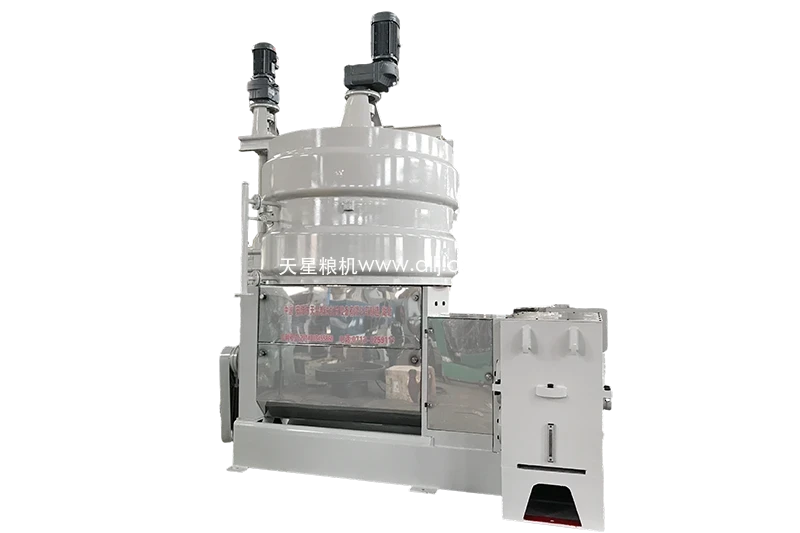
Essential Oilseed Processing Equipment for Large-Scale Operations
Table of Contents
- Understanding Oilseed Processing: An Overview
- The Importance of Oilseed Processing Equipment in Agriculture
- Key Types of Oilseed Processing Equipment for Large-Scale Operations
- 1. Oilseed Expellers
- 2. Oil Refining Equipment
- 3. Solvent Extraction Machines
- 4. Seed Cleaning Machines
- 5. Deodorizing Equipment
- Factors to Consider When Selecting Oilseed Processing Equipment
- Advanced Technologies in Oilseed Processing
- Common Challenges in Oilseed Processing and Solutions
- Frequently Asked Questions (FAQs)
- Conclusion
Understanding Oilseed Processing: An Overview
Oilseed processing is a critical step in the agricultural supply chain. It involves converting raw oilseeds into oil and meal, which are essential for food production, animal feed, and various industrial applications. The process typically includes several stages: seed cleaning, oil extraction, refining, and packaging. Each of these stages requires specialized equipment designed for efficiency and maximum yield.
The Importance of Oilseed Processing Equipment in Agriculture
In large-scale agricultural operations, having the right oilseed processing equipment is crucial. It not only increases productivity but also ensures the quality of the final products. High-quality equipment minimizes waste, enhances energy efficiency, and optimizes production timelines, making it easier for businesses to meet market demands.
Key Types of Oilseed Processing Equipment for Large-Scale Operations
To maximize productivity, it’s essential to understand the various types of oilseed processing equipment available. Below, we delve into the key equipment categories:
1. Oilseed Expellers
Oilseed expellers are mechanical devices used to extract oil from oilseeds through a process of crushing and pressing. These machines work by applying mechanical pressure, which separates the oil from the seed. High-capacity expellers are designed for large-scale operations, allowing for continuous processing and higher oil yields.
2. Oil Refining Equipment
Once oil is extracted, it often requires refining to remove impurities and undesirable components. Oil refining equipment typically includes degumming, neutralizing, bleaching, and deodorizing systems. Each of these processes is essential for producing high-quality, market-ready oil suitable for consumption or industrial use.
3. Solvent Extraction Machines
For operations aiming for maximum oil yield, solvent extraction machines are vital. These machines utilize solvents to dissolve oils from oilseeds, allowing for a higher extraction rate than mechanical methods alone. Solvent extraction is particularly effective for high-oil-content seeds such as soybeans and sunflower seeds.
4. Seed Cleaning Machines
Before oil extraction, seeds must be thoroughly cleaned to remove contaminants such as dirt, stones, and damaged seeds. Seed cleaning machines employ a variety of methods, including sieving, air separation, and magnetic separation, to ensure that only the best quality seeds are processed, thereby optimizing oil yield and quality.
5. Deodorizing Equipment
Deodorizing equipment is used in the final refining process to remove volatile compounds that can cause off-flavors and odors in oils. This equipment typically operates at high temperatures and under vacuum conditions to ensure that the oil retains its desirable flavor and quality.
Factors to Consider When Selecting Oilseed Processing Equipment
Choosing the right equipment for oilseed processing is a strategic decision that impacts efficiency and profitability. Here are several crucial factors to consider:
1. Capacity Requirements
Evaluate the scale of your operations. Determine the quantity of oilseeds you anticipate processing daily, as this will guide your selection of high-capacity equipment.
2. Type of Oilseeds
Different oilseeds require different processing methods. Understanding the specific characteristics of the seeds you’ll be working with will inform your equipment choices.
3. Energy Efficiency
With energy costs on the rise, selecting energy-efficient equipment can significantly reduce operational costs. Look for machines that offer features such as variable speed drives and optimized energy consumption.
4. Maintenance and Support
Equipment reliability is paramount in large-scale operations. Consider the availability of maintenance support and the ease of obtaining spare parts when choosing your equipment.
5. Cost vs. Quality
While it may be tempting to opt for the least expensive option, investing in high-quality equipment often pays off in the long run through greater durability, efficiency, and yield.
Advanced Technologies in Oilseed Processing
The oilseed processing industry is continuously evolving, with new technologies enhancing efficiency and product quality. Some notable advancements include:
1. Automation and Control Systems
Automation technology streamlines the processing stages, reducing labor costs and minimizing human error. Advanced control systems allow for real-time monitoring and adjustments to optimize operations.
2. Continuous Processing Lines
Modern continuous processing lines enable uninterrupted production, increasing throughput and reducing downtime. This integrated approach can significantly enhance overall efficiency.
3. Waste Management Solutions
Innovative waste management technologies are essential for sustainability. These systems can recycle by-products into useful materials, reducing environmental impact and improving profitability.
Common Challenges in Oilseed Processing and Solutions
Large-scale oilseed processing comes with its own set of challenges. Being aware of these challenges can help operations mitigate risks and enhance performance.
1. Equipment Downtime
Downtime due to equipment failure can be costly. Regular maintenance schedules and investing in high-quality machinery can help prevent unexpected breakdowns.
2. Quality Control
Maintaining the quality of the final product is critical. Implementing rigorous quality control measures at each processing stage can help ensure consistency and compliance with industry standards.
3. Market Fluctuations
The agricultural market is subject to volatility. Establishing strong supply chains and diversifying product offerings can help mitigate the impacts of market changes.
Frequently Asked Questions (FAQs)
1. What types of oilseeds are commonly processed in large-scale operations?
Common oilseeds include soybeans, sunflowers, rapeseeds, and peanuts, each requiring specific processing techniques.
2. How does oil extraction affect the quality of the oil?
The method of extraction significantly influences oil quality; mechanical extraction preserves more nutrients compared to solvent extraction, but the latter yields more oil.
3. What are the environmental implications of oilseed processing?
Oilseed processing can produce waste by-products, but advancements in waste management technologies can help recycle materials and reduce environmental impact.
4. How can I improve the efficiency of my oilseed processing operation?
Investing in high-quality equipment, optimizing workflows, and employing automation can significantly enhance operational efficiency.
5. What are the regulations surrounding oilseed processing?
Oilseed processing is subject to various regulations to ensure food safety and environmental protection. It’s essential to stay informed about local and international standards.
Conclusion
In summary, investing in essential oilseed processing equipment is vital for large-scale agricultural operations seeking to optimize efficiency, quality, and profitability. By understanding the types of equipment available, considering key selection factors, and being aware of the latest advancements and challenges in the industry, businesses can position themselves for success in the competitive oilseed market. As technology continues to evolve, staying informed and adaptable will be crucial in harnessing the full potential of oilseed processing operations.
Previous:
