
Single Screw vs. Double Screw Oil Press: Which Is Better for You?
2026/06/23
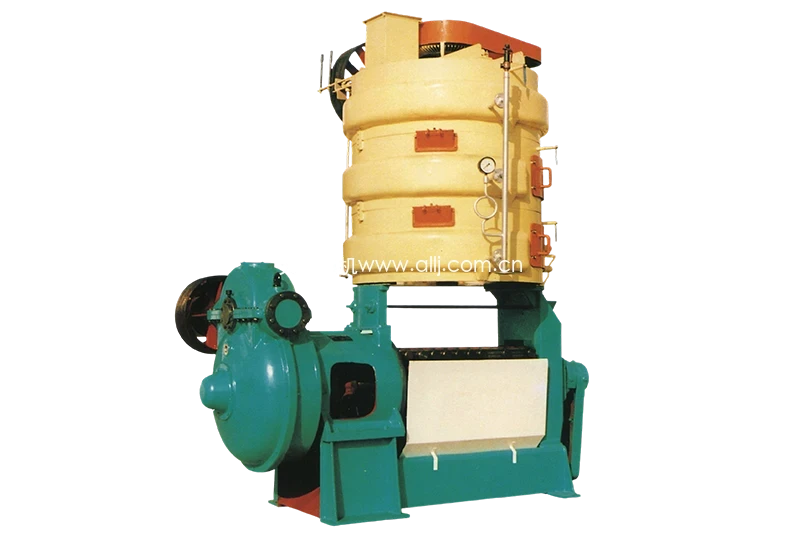
Single Screw vs. Double Screw Oil Press: Which Is Better for You?
Table of Contents
1. Introduction to Oil Pressing Technology
2. Understanding Screw Oil Presses
2.1 What is a Single Screw Oil Press?
2.2 What is a Double Screw Oil Press?
3. Key Differences Between Single Screw and Double Screw Oil Presses
3.1 Extraction Efficiency
3.2 Oil Yield and Quality
3.3 Energy Consumption
3.4 Maintenance and Operational Costs
4. Factors to Consider When Choosing an Oil Press
4.1 Type of Oilseeds
4.2 Production Scale
4.3 Budget Constraints
5. Advantages of Single Screw Oil Presses
6. Advantages of Double Screw Oil Presses
7. Conclusion
8. Frequently Asked Questions (FAQs)
1. Introduction to Oil Pressing Technology
In the ever-evolving agricultural food sector, the demand for efficient oil extraction methods has surged. As a result, oil pressing technology has become crucial in determining the quality and yield of edible oils. Two primary methods exist in the market: single screw and double screw oil presses. Understanding the key differences, applications, and advantages of each can significantly impact your production efficiency and profitability.
2. Understanding Screw Oil Presses
2.1 What is a Single Screw Oil Press?
A **single screw oil press** is a type of mechanical press that uses one screw to extract oil from oilseeds. The design consists of a feed hopper, a cylindrical barrel, and a helical screw that moves the seeds through the press chamber. As the seeds are pushed forward, they undergo mechanical compression, leading to oil extraction. This method is well-known for its simplicity and cost-effectiveness, making it a popular choice for small to medium-sized operations.
2.2 What is a Double Screw Oil Press?
In contrast, a **double screw oil press** features two interlocking screws that work simultaneously to crush and extract oil from seeds. This design enhances the pressing process by increasing the surface area for extraction and using higher pressure. Double screw presses are more complex and typically used for larger operations where higher oil yields and efficiency are critical.
3. Key Differences Between Single Screw and Double Screw Oil Presses
3.1 Extraction Efficiency
When evaluating extraction efficiency, the **double screw oil press** stands out due to its ability to maintain higher pressure throughout the pressing process. This leads to a more thorough extraction of oil from seeds, whereas the **single screw press** may leave a higher residual oil content in the cake, reducing overall efficiency.
3.2 Oil Yield and Quality
In terms of oil yield, double screw oil presses often yield more oil per batch compared to their single screw counterparts. The extraction process in double screw presses is more rigorous, resulting in oil with lower free fatty acid content and improved quality. Single screw presses may produce oil that requires additional refining due to higher impurity levels.
3.3 Energy Consumption
Energy consumption is a critical factor for any production operation. **Single screw oil presses** generally consume less energy due to their simpler design and lower operational complexity. However, while double screw presses require more energy, they can compensate for this through higher production rates and oil yields, ultimately leading to a better return on investment.
3.4 Maintenance and Operational Costs
Maintenance and operational costs also differ significantly between the two types of presses. Single screw oil presses are easier to maintain, making them a cost-effective option for smaller businesses. In contrast, double screw presses, while offering higher efficiency, may incur higher maintenance costs due to their complex design and larger number of components.
4. Factors to Consider When Choosing an Oil Press
4.1 Type of Oilseeds
The types of oilseeds you plan to process should heavily influence your choice. Certain oilseeds, like peanuts and sunflowers, can be efficiently processed by single screw presses, while more oil-dense seeds such as soybeans and canola could benefit from the enhanced extraction capabilities of double screw presses.
4.2 Production Scale
Consider your production scale when choosing an oil press. For smaller operations, a single screw press may provide adequate yield without the higher initial investment of a double screw press. Conversely, larger operations with higher demand may justify the investment in a double screw system for greater efficiency and yield.
4.3 Budget Constraints
Your budget will ultimately play a significant role in your decision. Single screw presses typically have a lower initial cost and operating expenses, making them an attractive option for startups. However, consider the long-term benefits of investing in a double screw press, especially if your production scale is expected to increase.
5. Advantages of Single Screw Oil Presses
Single screw oil presses offer several notable advantages, including:
- **Lower initial investment:** These presses are generally more affordable, making them accessible for startups or small-scale operations.
- **Simplicity of operation:** With fewer components, single screw presses are easier to operate, making them ideal for users with limited technical expertise.
- **Less energy consumption:** Lower energy requirements help to reduce operational costs, making them an economical choice for small producers.
6. Advantages of Double Screw Oil Presses
On the other hand, double screw oil presses present unique benefits, such as:
- **Higher oil yield:** Their design allows for more thorough extraction, resulting in greater oil yield per batch.
- **Improved oil quality:** The vigorous pressing action helps reduce impurities and free fatty acids, leading to higher-quality oil.
- **Increased efficiency:** Ideal for larger production scales, double screw presses can significantly enhance productivity and profitability over time.
7. Conclusion
Deciding between a single screw and double screw oil press depends on various factors, including your production scale, the types of oilseeds you plan to process, and your budget. Single screw oil presses serve as an excellent entry point for smaller operations, offering a balance of efficiency and affordability. In contrast, double screw presses are better suited for larger enterprises seeking to maximize yield and quality. By assessing your specific needs and considering the advantages of each type, you can make an informed choice that aligns with your operational goals.
8. Frequently Asked Questions (FAQs)
What is the main difference between single screw and double screw oil presses?
The primary difference lies in their design and functionality; single screw presses use one screw for extraction, while double screw presses employ two interlocking screws, resulting in higher efficiency and oil yield.
Which type of oil press is more energy-efficient?
Single screw oil presses are generally more energy-efficient due to their simpler design, but double screw presses can achieve higher production rates, potentially offsetting their increased energy consumption.
Can I use a single screw oil press for all types of seeds?
While single screw oil presses can handle various oilseeds, they may not be as effective for high-oil-content seeds, which could benefit more from a double screw press.
What are the maintenance requirements for each type of oil press?
Single screw presses tend to have lower maintenance requirements due to their simpler design, whereas double screw presses may require more frequent maintenance due to their complexity.
Is it worth investing in a double screw oil press for small-scale production?
For small-scale production, a single screw press may be more cost-effective. However, if you anticipate rapid growth in demand, a double screw press could provide better long-term returns on investment.
