
Unlocking the Secrets of Efficient Vegetable Oil Extraction Systems
2026/06/29
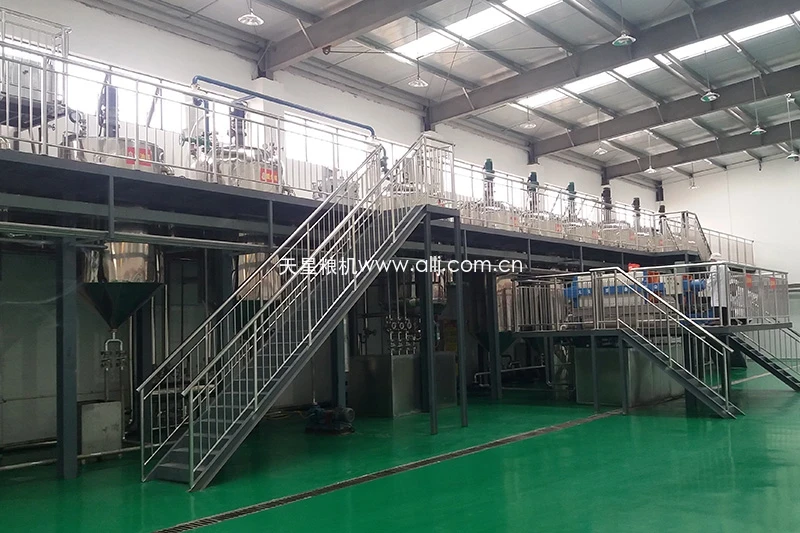
Unlocking the Secrets of Efficient Vegetable Oil Extraction Systems
Table of Contents
- 1. Introduction to Vegetable Oil Extraction
- 2. Understanding Vegetable Oil Extraction Methods
- 3. The Importance of Efficiency in Oil Extraction
- 4. Key Factors Affecting Extraction Efficiency
- 5. Innovations in Vegetable Oil Extraction Systems
- 6. Sustainability in Oil Production
- 7. Case Studies of Successful Extraction Systems
- 8. Future Trends in Vegetable Oil Extraction Technologies
- 9. Frequently Asked Questions
- 10. Conclusion
1. Introduction to Vegetable Oil Extraction
Vegetable oil extraction is a critical process in the agricultural food sector, playing a pivotal role in the global food supply. The demand for vegetable oils has surged due to their diverse applications, ranging from cooking to industrial uses. Understanding the complexities of efficient extraction systems is essential for producers seeking to maximize yield while minimizing costs and environmental impact.
2. Understanding Vegetable Oil Extraction Methods
The extraction of vegetable oil involves several methods, each with its own advantages and disadvantages. Choosing the right technique is crucial for optimizing yield and quality.
2.1 Mechanical Extraction Techniques
Mechanical extraction, often referred to as cold pressing, involves physically pressing the oil from the seeds or fruits. This method is widely appreciated for its simplicity and the preservation of the oil’s natural flavors and nutrients. Key techniques include:
- **Cold Pressing**: Utilizes a hydraulic press to extract oil without heating, maintaining the integrity of the oil’s nutrients.
- **Screw Pressing**: A continuous process where seeds are fed into a screw conveyor, where they are crushed and pressed, yielding oil and cake.
Each technique has its unique applications depending on the type of seed being processed.
2.2 Solvent Extraction Process
Solvent extraction is a chemical process that utilizes solvents—commonly hexane—to dissolve the oil from oilseeds. This method typically results in higher oil yields compared to mechanical extraction. The primary steps include:
- **Preparation**: Seeds are crushed and flaked to increase the surface area.
- **Extraction**: The solvent is mixed with the seed material, and oil is dissolved into the solvent.
- **Separation**: The oil-solvent mixture is separated from the solid residues.
While this method is efficient, it requires careful handling of chemicals and additional steps to remove the solvent from the final product.
3. The Importance of Efficiency in Oil Extraction
The efficiency of vegetable oil extraction systems directly impacts production costs, oil quality, and environmental sustainability. Efficient systems ensure that the maximum amount of oil is extracted with minimal waste, which is crucial for profitability. Additionally, improved efficiency reduces energy consumption, aligning with sustainable practices in agriculture.
4. Key Factors Affecting Extraction Efficiency
Several factors influence the efficiency of vegetable oil extraction systems:
- **Seed Quality**: The oil content in seeds varies significantly; high-quality seeds yield more oil.
- **Moisture Content**: Optimal moisture levels facilitate better extraction results.
- **Temperature**: Especially in mechanical methods, temperature can affect oil yield and quality.
- **Extraction Time**: Longer extraction times may increase yield but can also degrade oil quality.
Understanding and optimizing these factors is essential for improving extraction efficiency.
5. Innovations in Vegetable Oil Extraction Systems
The vegetable oil extraction industry is evolving with advancements in technology. Here are some notable innovations:
- **Enzymatic Extraction**: This method utilizes enzymes to enhance oil release from the cellular structure of seeds, resulting in higher yields.
- **Supercritical Fluid Extraction (SFE)**: Using supercritical CO2 as a solvent, this method extracts oil without leaving harmful residues, making it ideal for high-quality oil production.
- **Continuous Processing Systems**: These systems automate the extraction process, increasing throughput and reducing labor costs.
Investing in these innovative systems can lead to significant improvements in both efficiency and product quality.
6. Sustainability in Oil Production
As the global focus shifts towards sustainability, the vegetable oil industry is under pressure to adopt environmentally friendly practices. Sustainable oil production involves:
- **Reducing Chemical Use**: Implementing organic farming practices and minimizing chemical application in oilseed cultivation.
- **Waste Management**: Efficiently managing by-products and waste generated during extraction, such as oil cake and spent solvents.
- **Energy Efficiency**: Utilizing renewable energy sources in extraction processes to reduce the carbon footprint.
Embracing these sustainability practices not only benefits the environment but also appeals to conscious consumers who prioritize eco-friendly products.
7. Case Studies of Successful Extraction Systems
Examining successful vegetable oil extraction systems can provide valuable insights into best practices.
**Case Study 1: Cold Pressing in Organic Oil Production**
A small-scale organic farm implemented a cold-pressing system that allowed them to retain the natural flavors and nutrients in their oils. By sourcing high-quality seeds and optimizing their extraction process, they achieved a higher market price for their products.
**Case Study 2: Innovative Solvent Extraction in a Large Processing Plant**
A large-scale processing plant adopted supercritical CO2 extraction, significantly increasing their oil yield while ensuring solvent-free products. This transition not only improved their production efficiency but also enhanced their brand’s reputation for high-quality oils.
8. Future Trends in Vegetable Oil Extraction Technologies
The future of vegetable oil extraction will likely be shaped by ongoing technological advancements and consumer preferences. Key trends include:
- **Automation and AI**: Incorporating artificial intelligence in extraction processes to optimize operations and reduce waste.
- **Blockchain Technology**: Ensuring transparency and traceability in the supply chain, which is increasingly important for consumers.
- **Research in Alternative Sources**: Exploring non-traditional oilseed sources, such as algae, which could meet rising demand sustainably.
Staying ahead of these trends will be vital for producers aiming to remain competitive in the evolving market.
9. Frequently Asked Questions
What are the most common methods of vegetable oil extraction?
The most common methods are mechanical extraction (cold pressing and screw pressing) and solvent extraction.
How can I improve the efficiency of my extraction process?
Focus on optimizing seed quality, adjusting moisture content, and using modern extraction technologies.
What are the environmental impacts of vegetable oil extraction?
The extraction process can have significant environmental impacts, including land use change and chemical pollution. Sustainable practices can mitigate these effects.
Is cold pressing better than solvent extraction?
Cold pressing preserves more nutrients and flavor but typically yields less oil than solvent extraction, which is more efficient but uses chemicals.
What innovations are currently influencing vegetable oil extraction systems?
Innovations such as enzymatic extraction, supercritical fluid extraction, and automation are enhancing efficiency and sustainability in the industry.
10. Conclusion
Efficient vegetable oil extraction systems are pivotal for meeting the growing global demand for vegetable oils in a sustainable manner. By understanding the different extraction methods, factors affecting efficiency, and the latest innovations, producers can optimize their operations. As we look to the future, embracing sustainability and technological advancements will not only enhance profitability but also contribute to a more responsible and eco-friendly agricultural landscape. Through these efforts, we can unlock the secrets of vegetable oil extraction, paving the way for a more efficient and sustainable industry.
