
Efficient Oilseed Handling and Conveying Equipment: A Key to Success in Edible Oil Processing
2026/08/23
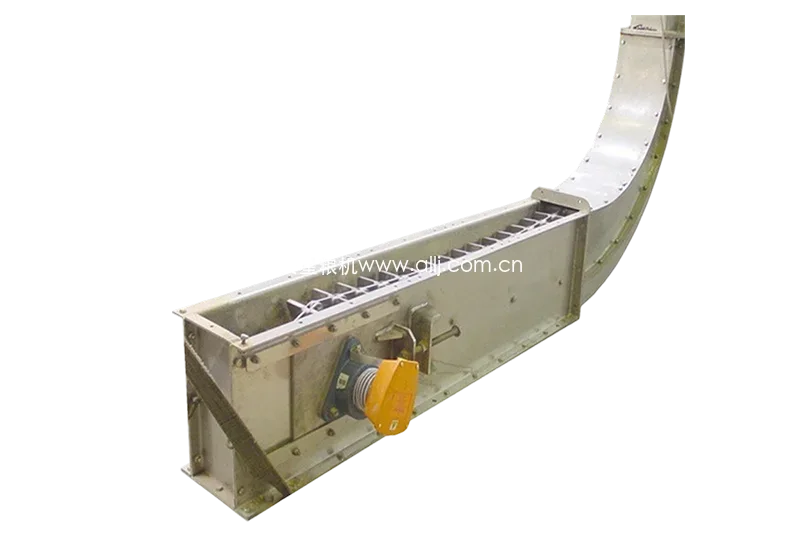
In the field of edible oil processing, efficient oilseed handling and conveying equipment is paramount to achieving optimal operational efficiency. Proper handling systems not only streamline the processing of raw materials but also ensure that the quality of the final product meets industry standards. This article delves into the various aspects of oilseed handling and conveying equipment, highlighting their significance in the agricultural machinery sector.
Oilseed handling encompasses a variety of processes, including the transportation, storage, and preparation of oilseeds before they undergo extraction. The choice of handling equipment is crucial, as it affects both the performance and safety of the operations. For instance, systems such as bucket elevators, screw conveyors, and pneumatic conveying systems are commonly utilized to move oilseeds efficiently. Each type of equipment offers unique advantages, such as minimizing seed damage, reducing spillage, and ensuring that the flow remains consistent throughout the process.
When selecting oilseed handling equipment, considerations such as capacity, material compatibility, and maintenance requirements should be taken into account. High-capacity systems can help meet the demands of large-scale processing facilities, while materials that resist corrosion and abrasion contribute to the longevity of the equipment. Furthermore, regular maintenance is vital for ensuring that the equipment operates at peak efficiency, preventing downtime that could disrupt production schedules.
In addition to traditional conveying systems, advanced technologies like automation and digital monitoring are becoming increasingly prevalent in oilseed handling. These innovations not only enhance efficiency but also provide real-time data that can be utilized to optimize processes. For instance, sensors can monitor the flow rate of oilseeds, allowing for quick adjustments to maintain optimal conditions.
Moreover, safety is a critical consideration in the design and operation of oilseed handling equipment. Properly designed systems will reduce the risk of accidents, ensuring that workers can operate in a safe environment. This includes features such as emergency stop buttons, protective covers, and warning systems to alert personnel of potential hazards.
In conclusion, investing in efficient oilseed handling and conveying equipment is essential for professionals in the edible oil processing industry. By selecting the right systems and implementing modern technologies, operations can achieve enhanced efficiency, product quality, and safety. This ultimately leads to a more sustainable and profitable business model, positioning companies to better meet the challenges of a dynamic market.
Oilseed handling encompasses a variety of processes, including the transportation, storage, and preparation of oilseeds before they undergo extraction. The choice of handling equipment is crucial, as it affects both the performance and safety of the operations. For instance, systems such as bucket elevators, screw conveyors, and pneumatic conveying systems are commonly utilized to move oilseeds efficiently. Each type of equipment offers unique advantages, such as minimizing seed damage, reducing spillage, and ensuring that the flow remains consistent throughout the process.
When selecting oilseed handling equipment, considerations such as capacity, material compatibility, and maintenance requirements should be taken into account. High-capacity systems can help meet the demands of large-scale processing facilities, while materials that resist corrosion and abrasion contribute to the longevity of the equipment. Furthermore, regular maintenance is vital for ensuring that the equipment operates at peak efficiency, preventing downtime that could disrupt production schedules.
In addition to traditional conveying systems, advanced technologies like automation and digital monitoring are becoming increasingly prevalent in oilseed handling. These innovations not only enhance efficiency but also provide real-time data that can be utilized to optimize processes. For instance, sensors can monitor the flow rate of oilseeds, allowing for quick adjustments to maintain optimal conditions.
Moreover, safety is a critical consideration in the design and operation of oilseed handling equipment. Properly designed systems will reduce the risk of accidents, ensuring that workers can operate in a safe environment. This includes features such as emergency stop buttons, protective covers, and warning systems to alert personnel of potential hazards.
In conclusion, investing in efficient oilseed handling and conveying equipment is essential for professionals in the edible oil processing industry. By selecting the right systems and implementing modern technologies, operations can achieve enhanced efficiency, product quality, and safety. This ultimately leads to a more sustainable and profitable business model, positioning companies to better meet the challenges of a dynamic market.
