
The Complete Guide to Vegetable Oil Extraction: Techniques and Systems for Enhanced Production
2026/09/27
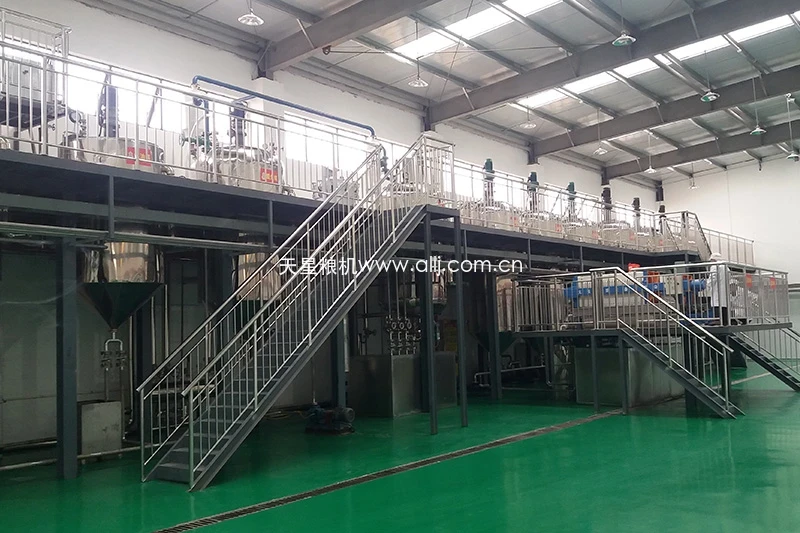
The Complete Guide to Vegetable Oil Extraction: Techniques and Systems for Enhanced Production
Vegetable oil extraction is a crucial component in the agricultural food industry, providing essential oils used in cooking, cosmetics, and biofuels. Understanding the various techniques and systems for efficient extraction can significantly enhance production and quality. In this guide, we will explore a plethora of methods, technologies, and best practices in vegetable oil extraction, ensuring you have a comprehensive understanding of the subject.
Table of Contents
- 1. What is Vegetable Oil Extraction?
- 2. Importance of Vegetable Oil Extraction in Modern Agriculture
- 3. Techniques of Vegetable Oil Extraction
- 3.1 Mechanical Extraction
- 3.2 Solvent Extraction
- 3.3 Cold Press Extraction
- 3.4 Supercritical CO2 Extraction
- 4. Oil Extraction Systems
- 5. Equipment Used in Vegetable Oil Extraction
- 6. Factors Affecting Oil Extraction Efficiency
- 7. Sustainability in Oil Extraction
- 8. The Future of Vegetable Oil Extraction
- 9. FAQs about Vegetable Oil Extraction
1. What is Vegetable Oil Extraction?
Vegetable oil extraction refers to the process of removing oil from various oilseeds, nuts, and fruits. The primary goal is to obtain the oil while minimizing the degradation of its quality. This process is vital in producing oils for cooking, industrial applications, and even biofuels. The extraction methods employed can significantly affect the yield and quality of the oil produced.
2. Importance of Vegetable Oil Extraction in Modern Agriculture
The importance of vegetable oil extraction cannot be overstated. As global demand for vegetable oils continues to rise, efficient extraction techniques are essential for meeting consumer needs while ensuring profitability for producers. The extraction process influences everything from the taste and nutritional value of the oil to its shelf life and marketability. With the right techniques in place, producers can achieve higher yields and better quality oils, capturing a more significant market share in a competitive industry.
3. Techniques of Vegetable Oil Extraction
There are several techniques available for vegetable oil extraction. Each method has its unique benefits and limitations, and the choice of technique can depend on the type of oilseed, desired oil quality, and production scale.
3.1 Mechanical Extraction
Mechanical extraction, often referred to as pressing, involves the use of mechanical force to extract oil from oilseeds. This method is commonly used for seeds like sunflower and canola. There are two primary types of mechanical extraction:
- Cold Pressing: Involves extracting oil without applying heat, preserving the oil's nutritional properties and flavor.
- Hot Pressing: Involves heating the seeds before extraction, which can increase oil yield but may alter flavor and nutritional value.
3.2 Solvent Extraction
Solvent extraction is a more advanced method that utilizes organic solvents, such as hexane, to dissolve the oil within the seeds. This process allows for higher oil yields compared to mechanical extraction. However, it also requires additional steps to separate the solvent from the oil post-extraction, and careful handling is necessary due to the flammable nature of the solvent.
3.3 Cold Press Extraction
Cold press extraction is favored for high-quality oils, such as olive oil, where retaining flavor and nutrients is crucial. This method relies solely on mechanical means without the application of heat, ensuring that the oil maintains its original properties. Cold-pressed oils often command a higher market price due to their perceived quality.
3.4 Supercritical CO2 Extraction
This cutting-edge technique uses supercritical carbon dioxide as a solvent. Under specific temperature and pressure conditions, CO2 becomes supercritical, acting as a solvent to extract oil. This method is known for producing high-quality oils with minimal residual solvents, making it an attractive option for premium products.
4. Oil Extraction Systems
The systems used for oil extraction can greatly influence efficiency and yield. Two primary types of systems are used in the industry:
4.1 Batch Processing Systems
Batch processing systems involve processing small, defined quantities of seeds at a time. While this method allows for flexibility and control over the extraction process, it may not be the most efficient for larger operations due to slower processing times.
4.2 Continuous Processing Systems
Continuous processing systems are designed for larger-scale operations, allowing for a steady flow of oilseed through the extraction process. This method significantly increases efficiency, making it the preferred choice for many commercial producers.
5. Equipment Used in Vegetable Oil Extraction
The equipment utilized in vegetable oil extraction varies depending on the chosen extraction technique. Commonly used machines and tools include:
- Oil Presses: Used for mechanical extraction, these machines apply pressure to oilseeds to extract oil.
- Solvent Extractors: These systems employ solvents to extract oil and are often used in large-scale production.
- Filtration Units: Necessary for removing impurities and ensuring oil quality after extraction.
- Refining Equipment: Used for further processing oil to enhance its flavor, color, and shelf life.
6. Factors Affecting Oil Extraction Efficiency
Several factors can significantly influence the efficiency of oil extraction processes, including:
- Seed Quality: High-quality seeds lead to better oil yields and flavors.
- Moisture Content: Optimal moisture levels are essential for maximizing extraction efficiency.
- Pressing Temperature: Higher temperatures can increase yield but may degrade oil quality.
- Extraction Time: The duration of the extraction process can affect the overall yield.
7. Sustainability in Oil Extraction
Sustainability is becoming an increasingly important consideration in the vegetable oil industry. Producers are adopting eco-friendly practices to minimize environmental impact. This includes:
- Using renewable energy sources for machinery operation.
- Implementing waste recycling programs to repurpose byproducts.
- Adopting sustainable farming practices to ensure long-term viability of oilseed crops.
8. The Future of Vegetable Oil Extraction
As the demand for vegetable oils rises globally, the future of oil extraction is likely to see significant advancements. Innovations in technology, such as improved extraction methods and automation in processing systems, will enhance efficiency and reduce costs. Additionally, there's an increasing shift towards organic and sustainably sourced oils, which will shape production practices moving forward.
9. FAQs about Vegetable Oil Extraction
What are the main methods of vegetable oil extraction?
The main methods include mechanical extraction, solvent extraction, cold press extraction, and supercritical CO2 extraction.
Is cold-pressed oil better than refined oil?
Cold-pressed oil is generally considered better due to its higher nutrient retention and natural flavor, although it may have a shorter shelf life compared to refined oils.
What types of seeds can be used for oil extraction?
Common seeds for oil extraction include sunflower, canola, soybean, olive, and palm, among others.
How does oil extraction affect the quality of the oil?
The extraction method, temperature, and processing time can all influence the taste, nutritional value, and shelf life of the extracted oil.
What is the most efficient extraction method?
Solvent extraction is often regarded as the most efficient method for large-scale production due to its higher yield potential.
Conclusion
In conclusion, understanding the techniques and systems involved in vegetable oil extraction is vital for optimizing production and ensuring high-quality outputs. With various extraction methods available, producers must evaluate their needs and choose the best approach tailored to their operations. As we look to the future, sustainability and innovation will play crucial roles in shaping the vegetable oil extraction industry. By adopting efficient practices and technologies, producers can enhance their yield while meeting the growing demand for vegetable oils in a responsible manner.
