
The Link Between Oil Quality and Oilseed Processing Machinery: A Comprehensive Analysis
2026/11/14
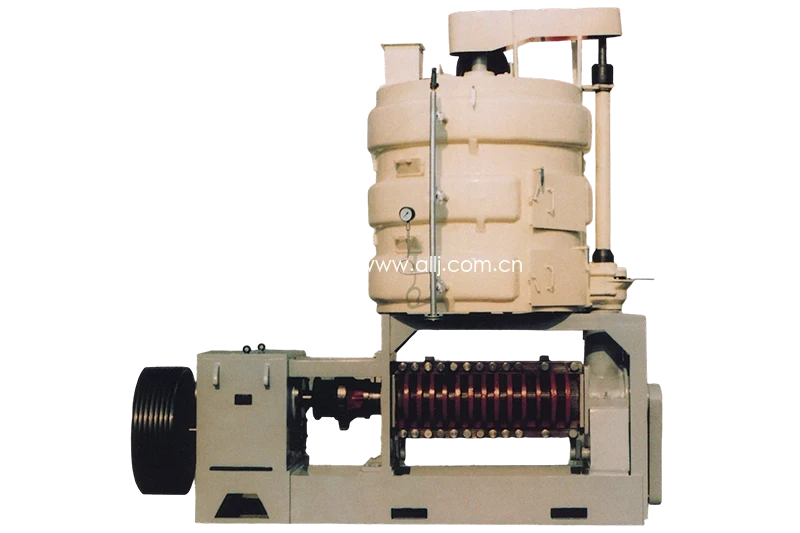
The Link Between Oil Quality and Oilseed Processing Machinery
Table of Contents
- 1. Introduction to Oil Quality and Processing Machinery
- 2. Importance of Oil Quality in the Food Industry
- 3. Types of Oilseed Processing Machinery
- 4. The Impact of Machinery on Oil Quality
- 5. Key Extraction Methods and Their Influence on Quality
- 6. Importance of Maintenance for Machinery Efficiency
- 7. Technological Advancements in Oilseed Processing
- 8. Case Studies: Successful Strategies in Oil Quality Enhancement
- 9. Conclusion
- 10. Frequently Asked Questions
1. Introduction to Oil Quality and Processing Machinery
In the agricultural food industry, the quality of edible oils is crucial for consumer health and satisfaction. The machinery used in oilseed processing plays a pivotal role in determining this quality. Understanding the nuanced connection between oil quality and oilseed processing machinery can lead to improved extraction methods, product purity, and customer trust. This article delves deep into this relationship, providing insights into various machinery types, extraction techniques, and the latest technological advancements that enhance oil quality.
2. Importance of Oil Quality in the Food Industry
The quality of edible oil is not just a matter of taste; it significantly impacts nutritional value, shelf life, and safety. High-quality oils are rich in essential fatty acids, vitamins, and antioxidants, contributing to a healthier diet. Poorly processed oils may contain harmful compounds and exhibit rancidity, leading to health risks for consumers. Therefore, it is imperative for manufacturers to invest in high-quality oilseed processing machinery that maximizes oil extraction and maintains the integrity of the oil produced.
3. Types of Oilseed Processing Machinery
Oilseed processing involves several categories of machinery, each serving a specific function in the extraction and refinement process. Some key types include:
3.1. Oil Expellers
Oil expellers are widely used for mechanical extraction of oil from seeds. They apply pressure to oilseeds to extract oil without the use of solvents. The design and efficiency of an expeller significantly affect the yield and quality of the oil produced.
3.2. Solvent Extractors
These machines use solvents to dissolve oil from oilseeds, providing higher extraction rates compared to mechanical methods. However, the choice of solvent and the extraction process can influence the final oil's purity and quality.
3.3. Refining Equipment
Refining equipment, which includes degumming, neutralization, bleaching, and deodorization units, is essential for enhancing the quality of crude oils by removing impurities and undesirable flavors.
3.4. Pressing Technologies
Different pressing technologies, such as cold pressing and hot pressing, can yield oils with varying flavor profiles and chemical compositions. Understanding the implications of these methods is critical for manufacturers aiming to produce high-quality oils.
4. The Impact of Machinery on Oil Quality
The machinery used in oilseed processing directly influences the quality of the extracted oil. Factors such as temperature, pressure, and extraction duration play significant roles in determining oil characteristics.
4.1. Temperature Control
Maintaining optimal temperatures during oil extraction is crucial. High temperatures can lead to the degradation of sensitive nutrients and the formation of undesirable compounds, potentially compromising oil quality.
4.2. Pressure Application
The amount of pressure applied during mechanical extraction can affect both the quantity and quality of oil. Optimal pressure settings help in maximizing yields while minimizing oxidation, which can spoil oil quality.
4.3. Duration of Processing
The length of time seeds are exposed to heat and pressure influences oil extraction efficiency and the preservation of volatile compounds. Manufacturers must carefully balance processing times to ensure high-quality outputs.
5. Key Extraction Methods and Their Influence on Quality
Different extraction methods each have their unique benefits and limitations. This section explores major methods and their implications for oil quality.
5.1. Cold Pressing
Cold pressing is a method that involves minimal heat, preserving the oil's natural flavors and nutrients. This technique is preferred for high-quality oils, particularly those targeted at health-conscious consumers.
5.2. Hot Pressing
Hot pressing increases oil yield but can compromise the oil's flavor and nutritional profile. This method is often used for oils that require further refining.
5.3. Solvent Extraction
Solvent extraction maximizes oil yield but may introduce chemical residues if not properly managed. The refining process following solvent extraction must be executed with precision to ensure product safety and quality.
6. Importance of Maintenance for Machinery Efficiency
Regular maintenance of oilseed processing machinery is non-negotiable for ensuring optimal performance and oil quality. Neglected machinery can lead to inefficient extraction processes, increased waste, and compromised oil integrity.
6.1. Routine Inspections
Conducting routine inspections helps identify wear and tear, allowing for timely replacements of parts. This proactive approach minimizes downtime and enhances operational efficiency.
6.2. Cleaning Procedures
Implementing strict cleaning protocols is crucial to prevent cross-contamination between different oil types. Residual oils can negatively impact the quality of subsequent batches produced.
7. Technological Advancements in Oilseed Processing
The oilseed processing industry continually evolves with advancements in technology aimed at enhancing oil quality and extraction efficiency.
7.1. Automation
Automated processes reduce human error and enhance consistency in oil extraction. This control leads to higher quality outputs and increased production rates.
7.2. Advanced Filtration Systems
Innovative filtration technologies are helping producers to achieve higher purity levels in their oils, removing contaminants that could affect flavor and safety.
7.3. Data Analytics
The integration of data analytics in production processes allows manufacturers to monitor performance metrics closely, making real-time adjustments to optimize both yield and quality.
8. Case Studies: Successful Strategies in Oil Quality Enhancement
Examining case studies of successful oilseed processors can provide valuable insights into effective strategies for enhancing oil quality.
8.1. Case Study 1: Cold Press Oil Production
A small-scale producer implemented cold pressing methods to create a premium product line. By maintaining low temperatures and using high-quality seeds, they achieved outstanding oil quality, leading to a loyal customer base.
8.2. Case Study 2: Solvent Extraction Refinement
A mid-sized company adopted advanced refining techniques post-solvent extraction to eliminate residual solvents and improve flavor profiles. Their commitment to quality resulted in a marked increase in market share.
9. Conclusion
The correlation between oil quality and oilseed processing machinery is undeniable. By understanding the intricacies of various machines, extraction methods, and maintenance practices, manufacturers can significantly enhance the quality of their oils. As the food industry continues to prioritize health and safety, investing in high-quality machinery and refining processes will be critical to meeting consumer demands and maintaining a competitive edge.
10. Frequently Asked Questions
10.1. How does oilseed processing machinery affect oil quality?
Oilseed processing machinery impacts oil quality through factors like temperature, pressure, and extraction duration, all of which influence the final product's flavor and nutritional value.
10.2. What are the best extraction methods for high-quality oils?
Cold pressing is often considered the best method for high-quality oils due to its ability to preserve flavors and nutrients. Hot pressing and solvent extraction can be effective but may lead to some loss in quality.
10.3. Why is maintenance important for oilseed processing machinery?
Regular maintenance ensures that machinery operates efficiently, reducing the risk of breakdowns, contamination, and subpar oil quality.
10.4. What advancements are currently influencing oilseed processing technology?
Technological advancements such as automation, advanced filtration systems, and data analytics are enhancing oil extraction methods and improving product quality.
10.5. How can producers enhance oil quality in their processes?
Producers can enhance oil quality by investing in high-quality machinery, adhering to proper maintenance schedules, and choosing the appropriate extraction methods tailored to their target market.
