
How to Choose the Right Vegetable Oil Refining Equipment for Your Needs
2026/08/08
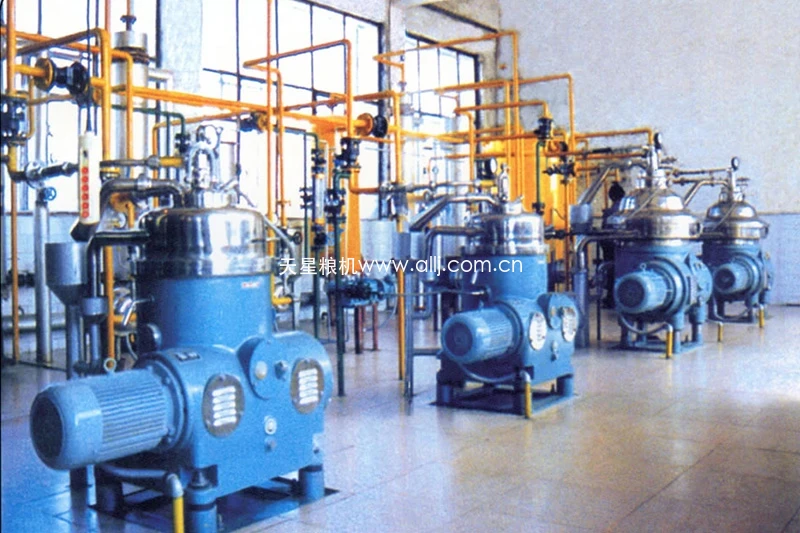
How to Choose the Right Vegetable Oil Refining Equipment for Your Needs
Choosing the right vegetable oil refining equipment is crucial to the success of your food processing business. As the demand for high-quality oils continues to rise, the importance of investing in suitable equipment cannot be overstated. In this guide, we will cover **everything you need to know**, from understanding your specific needs to evaluating equipment options that align with your goals.
Table of Contents
1. Understanding Your Refining Needs
2. Types of Vegetable Oil Refining Equipment
3. Key Features to Consider
3.1 Production Capacity
3.2 Energy Efficiency
3.3 Automation and Control Systems
4. Evaluating Equipment Suppliers
5. Budget Considerations
6. Maintenance and Support
7. The Importance of Compliance and Safety
8. Frequently Asked Questions (FAQs)
9. Conclusion
1. Understanding Your Refining Needs
Before diving into the selection process, it is crucial to assess your specific refining needs. This assessment should include:
- **Type of Oil**: Different oils have unique refining requirements. For instance, refining processes for palm oil differ from those for soybean oil or sunflower oil.
- **Volume Requirements**: Determine how much oil you plan to process daily. Your production capacity will heavily influence the size and type of equipment needed.
- **Quality Standards**: Establish the quality specifications your end product must meet. Higher quality often necessitates more advanced refining technology.
2. Types of Vegetable Oil Refining Equipment
Vegetable oil refining equipment can be categorized into various types, each serving distinct purposes in the refining process:
- **Degumming Equipment**: This is essential for removing phospholipids and proteins that can affect oil quality. Options include batch degumming units and continuous systems.
- **Neutralization Units**: These units are designed to remove free fatty acids, using alkali or acid methods. The choice between batch and continuous neutralization can impact efficiency.
- **Bleaching Machines**: Bleaching is crucial for removing color and impurities. Equipment ranges from batch bleaching systems to advanced continuous bleaching technologies.
- **Deodorizing Equipment**: This process helps eliminate odor and improves the oil's flavor. Options vary from batch deodorization to more sophisticated continuous systems.
- **Winterization Equipment**: If you process oils that require winterization to remove waxes, be sure to consider equipment that can effectively perform this task.
3. Key Features to Consider
When selecting vegetable oil refining equipment, consider these critical features:
3.1 Production Capacity
Production capacity should align with your operational goals. Evaluate equipment that accommodates both your current and future production needs to prevent bottlenecks.
3.2 Energy Efficiency
Energy-efficient equipment not only reduces operational costs but also minimizes your environmental footprint. Look for equipment with energy-saving features, such as variable frequency drives and waste heat recovery systems.
3.3 Automation and Control Systems
Investing in equipment with advanced automation can enhance precision and consistency in your refining processes. Control systems that allow for real-time monitoring and adjustment can significantly improve efficiency.
4. Evaluating Equipment Suppliers
Finding a reliable supplier is paramount. Here are factors to consider:
- **Reputation**: Look for reviews and testimonials from other customers to gauge reliability and product performance.
- **Experience**: Suppliers with extensive industry experience are more likely to provide quality equipment and after-sales support.
- **Customization Options**: Choose suppliers who offer tailored solutions to meet your specific refining needs.
5. Budget Considerations
Budget constraints play a significant role in equipment selection. However, it’s essential to strike a balance between cost and quality. Factors to consider include:
- **Initial Investment**: Assess the cost of the equipment, including installation and commissioning.
- **Operating Costs**: Factor in ongoing maintenance, energy consumption, and replacement parts.
- **Return on Investment (ROI)**: Evaluate how the equipment will impact your bottom line in terms of increased production and reduced costs.
6. Maintenance and Support
Regular maintenance is vital for the longevity of your equipment. When choosing a supplier, inquire about:
- **Maintenance Services**: Understand what maintenance services are offered and the frequency required to keep the equipment running smoothly.
- **Availability of Spare Parts**: Ensure that the supplier can provide spare parts promptly to minimize downtime.
7. The Importance of Compliance and Safety
Adhering to safety and compliance regulations is non-negotiable. Ensure the equipment you choose meets local and international standards. Key considerations include:
- **Food Safety Regulations**: The equipment should comply with food safety standards to guarantee the safety of the oil produced.
- **Environmental Compliance**: Select equipment that meets environmental regulations to mitigate your ecological impact.
8. Frequently Asked Questions (FAQs)
1. What is the best type of vegetable oil refining equipment for small-scale operations?
For small-scale operations, batch refining equipment is often ideal due to its lower initial investment and flexibility.
2. How do I determine the right capacity for my refining equipment?
Evaluate your production goals, taking into account the volume of oil you plan to process and any future growth aspirations.
3. Are automated refining systems worth the investment?
Yes, automated systems can improve efficiency, reduce labor costs, and enhance product consistency, making them a worthwhile investment.
4. What maintenance is typically required for refining equipment?
Regular checks, cleaning, lubrication, and timely replacement of worn parts are essential for maintaining refining equipment.
5. How can I ensure the safety of my refining processes?
Implementing proper training for operators, regular equipment checks, and adhering to safety regulations will help ensure safe refining processes.
9. Conclusion
Choosing the right vegetable oil refining equipment is a significant decision that can impact the efficiency and profitability of your business. By understanding your specific needs, evaluating different types of equipment, and considering crucial features, you can make an informed choice that aligns with your operational goals. Always prioritize reliability and support from your equipment supplier to ensure smooth operations. With careful planning and consideration, you can enhance your production capabilities and meet the growing demand for high-quality vegetable oils.
Oil Refining Equipment
Previous:
