
Soybean Hulling: Separating the Kernel from the Skin
2025/10/09
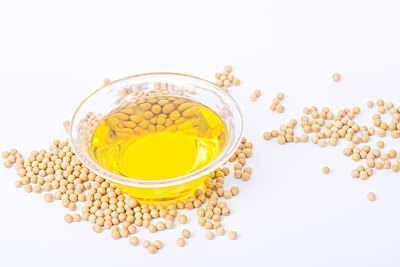
Ultimately, the soybean skin is separated and exits through the hot-air outlet, while the soybean kernels flow downward through a gravity gate either for further crushing or embossing.
1) Soybeans contain about 8% hulls, with an oil content of only 0.6–0.7%. Additionally, the hulls are rich in cellulose, and also have relatively high levels of pigments, gums, and waxes.
2) If oil is extracted with the hulls still attached, not only does the hull fail to yield oil—instead, it actually absorbs the oil, leaving residual fat trapped in the cake residue and reducing the overall oil yield. Moreover, impurities like pigments from the hulls can migrate into the crude oil during the extraction process, darkening its color and degrading its quality. Additionally, the resulting cake from this method contains a high proportion of hull material and has a significantly lower protein content, thereby diminishing the cake's value as a feed or fertilizer ingredient. Finally, extracting oil with hulls also leads to compromised rolling and pressing performance, poorer-quality meal pellets, reduced efficiency in equipment operation, increased energy consumption, and accelerated wear on machinery components.
Soybeans are dehulled before oil extraction.
3) After removing the outer layer of soybeans, increase the processing capacity of oil extraction equipment and reduce energy consumption during the production process.
4) Removing the hulls from soybeans reduces the color and wax content of the crude oil extracted, thereby improving the quality of the extracted oil.
5) Enhance the protein content of oilseed meal while reducing its cellulose levels, thereby increasing its nutritional value and overall usability.
5) Removing the soybean hulls facilitates leaching and penetration, reduces oil adsorption by the hulls, and lowers the residual oil content in the soybean meal.
6) Leaching soybeans after removing their hulls also reduces the amount of solvent adsorbed by the soybean hulls in the meal, lowering the solvent content in the wet meal. This, in turn, decreases energy consumption during the wet meal de-solventing and solvent recovery processes.
II. Methods and Steps for Peeling
Peeling Method:
Hot peeling; warm peeling; cold peeling.
Common warm-peeling steps: tempering → crushing → separation of kernel from skin.
3. Soybean Kernel-Shell Separation
1) Considering factors such as production processes, product quality, and processing efficiency, this process leverages the difference in specific gravity between soybean skins and soybean kernels. It employs circulating hot air separation combined with impact-based methods to separate the soybean skins from the kernels during the settling of crushed soybeans.
2) After two stages of crushing, the soybeans are individually dehulled to separate the hulls from the kernels. The dehulled soybean skins are then passed through a flat rotary screen for further screening, followed by three rounds of air separation to isolate any remaining fine bean particles still mixed within the skins.
4. Peel-and-Release Equipment and Processes
1. Skin-Pulp Separator/Peeler
Structure: Air inlet, air outlet, gravity impact tube, gravity gate, damper, feeding mechanism, and more.
The top rotary feeder and feeding rotating plate serve to adjust the feed rate and ensure proper material sealing.
Inside the central housing, multiple rows and columns of impact rods are installed. The housing is equipped with sampling ports, observation windows, maintenance access points, as well as air inlet and outlet pipes. The air inlet and outlet pipes are connected to the sealed hot-air circulation system used in the peeling process.
The discharge outlet is equipped with a rotary shut-off valve or a gravity-fed material-sealing device, ensuring a sealed airflow circulation system within the separator and preventing air from escaping through the discharge opening. 。
2. Broken Bean Curd Skin and Kernel Separation Process
Cracked beans enter the dehuller via a top-mounted rotary feeder and are evenly distributed across the entire width. As they fall, they come into contact with impact rods and counterflow air. The repeated collisions between the cracked beans and the impact rods cause the outer husks to continuously detach from the broken or split beans.
The detached soybean skins are lifted by the backflowing air and carried upward with the airflow. As these upward-moving skins repeatedly collide with the impact rods, they gradually dislodge even the smallest, adhered bits of soybean residue. Meanwhile, the heavier soybean fragments continue to bounce off the impact rods during their downward descent, shedding additional pieces of soybean skin along the way.
Ultimately, the soybean skin is separated and exits via the hot-air outlet, while the soybean kernels flow downward through a gravity gate for either further crushing or胚forming.
The hot air entering the peeling machine can further regulate the temperature and humidity of the bean kernels during the air-screen separation process, softening them to facilitate the subsequent rolling and shaping of the kernels.
3. Bean curd skin separates and refines fine bean kernels
The soybean curd separated by the primary and secondary peeling machines, as well as the soybean curd removed during cleaning in the soybean cleaning section, contain small amounts of fine soybean kernels. These are then screened and separated using a flat rotary sieve and the tertiary peeling machine.
The material remaining on the rotary screen consists of coarser, pure soybean skins, which then proceed to the soybean skin crushing process. The material passing through the screen is finer soybean kernels, destined for the rolling and shaping stage. Meanwhile, the intermediate fraction—comprising medium-sized soybean kernels mixed with similarly sized fragments of soybean skins—is fed into a three-stage peeling machine for further separation. The soybean kernels are directed to the rolling and shaping process, while the soybean skins are routed to the skin-crushing system.
5. Operational Control Requirements for Skin-Subcutaneous Tissue Separation
1. Adjust the peeling recirculation airflow to ensure a primary peeling rate of over 50% and a secondary peeling rate of at least 70%.
2. After crushing, the oil content in the soybean skins should not exceed 1.0%. Ensure that each peeler maintains consistent air volume and peeling performance.
3. Adjust the air dampers for the peeling machine’s intake and exhaust, ensuring that the intake damper is slightly larger than the exhaust damper. Properly control the volume, supply rate, and temperature of the circulating hot air, and regularly clean the heating elements of the heater.
4. Check the percentage of kernels remaining in the flat rotary screening process for soybean skins, measure the amount of skin mixed with kernels at the discharge point of the three-stage peeler, and assess the kernel content in the air-sorted soybean skins. Ensure thorough separation of skins and kernels, while minimizing oil contamination within the skins.
5. Properly manage the feed rate of both the crusher and the peeler to prevent high-level alarms in the crusher discharge bin from disrupting production stability.
6. Avoid overfilling the secondary crushing bin, which could prevent the peeler from dispensing material—resulting in large amounts of broken beans being sucked away along with the skins, thereby affecting product quality and production stability.
7. Avoid any material return from the cleaning machine to the separator at any point. Regularly inspect and remove foreign objects such as hemp ropes, wires, and material chunks from inside the pulp-separation unit to ensure smooth material discharge.
8. Adjust the discharge gravity gate to ensure it seals properly and prevents excessive material buildup.
