
Oilseed Processing Equipment: Enhancing Product Quality and Safety for the Agricultural Industry
2026/02/12
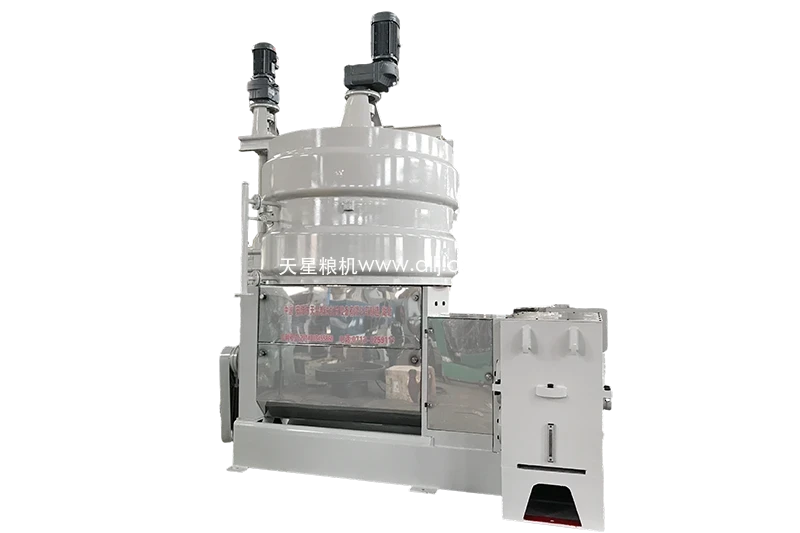
Oilseed Processing Equipment: Enhancing Product Quality and Safety
Table of Contents
- 1. Introduction to Oilseed Processing
- 2. Importance of Quality and Safety in Oilseed Processing
- 3. Modern Technologies in Oilseed Processing Equipment
- 4. Types of Oilseed Processing Equipment
- 5. Benefits of Using Advanced Oilseed Processing Equipment
- 6. Ensuring Safety in Oilseed Processing
- 7. Evaluating the Cost-Effectiveness of Oilseed Processing Equipment
- 8. The Future of Oilseed Processing Equipment
- 9. Frequently Asked Questions (FAQs)
- 10. Conclusion
1. Introduction to Oilseed Processing
Oilseed processing is an integral part of the agricultural industry, where the extraction of oils from seeds such as soybeans, canola, and sunflower plays a critical role in food production and various industrial applications. The process encompasses a series of stages that transform raw oilseeds into refined oils that meet safety and quality standards. As the demand for high-quality edible oils increases, the need for efficient, safe, and technologically advanced processing equipment becomes paramount.
In this article, we will delve into the various facets of oilseed processing equipment, highlighting how these machines enhance product quality and safety, ensuring that producers can meet consumer demands while adhering to regulatory standards.
2. Importance of Quality and Safety in Oilseed Processing
Quality and safety are interlinked aspects of oilseed processing that cannot be overlooked. High-quality oil not only enhances the flavor and nutritional value of food products but also affects consumer trust and brand credibility. Additionally, safety concerns, such as contamination and proper handling of raw materials, are critical in safeguarding public health.
Implementing advanced oilseed processing equipment ensures that producers can minimize impurities and contaminants in their products. This not only complies with health regulations but also contributes to a more sustainable agricultural practice.
3. Modern Technologies in Oilseed Processing Equipment
The advancement of technology in oilseed processing has revolutionized the way oils are extracted, refined, and packaged. Here are some of the notable technologies that play a pivotal role in enhancing product quality:
3.1 Cold Pressing Technology
Cold pressing is a method that extracts oil without the use of solvents or high temperatures, preserving the natural flavor, aroma, and nutrients of the oil. This method is increasingly favored by health-conscious consumers.
3.2 Continuous Processing Systems
Continuous processing systems allow for the uninterrupted flow of materials through the extraction and refinement stages, significantly increasing productivity and reducing waste.
3.3 Advanced Filtration Systems
Innovative filtration technologies provide a means to remove impurities effectively, ensuring that the final product meets stringent quality standards. These systems can capture particles as small as microns, resulting in clearer and purer oils.
3.4 Automation and Control Systems
Automation in oilseed processing equipment enhances precision and consistency in operations. Control systems monitor parameters such as temperature and pressure in real-time, allowing for immediate adjustments to optimize quality.
4. Types of Oilseed Processing Equipment
Understanding the various types of oilseed processing equipment is essential for producers looking to enhance their operational efficiency and product quality. Below are some of the primary types of equipment utilized in the oilseed processing industry:
4.1 Extraction Equipment
Extraction equipment is responsible for separating oil from oilseeds. Key technologies include:
- **Screw Presses**: These are widely used for mechanical extraction, where oil is squeezed from the seeds.
- **Solvent Extractors**: Utilizing solvents, these machines maximize oil yield, particularly in larger scale operations.
4.2 Refining Equipment
Refining equipment is crucial for purifying extracted oils. It includes:
- **Degumming Units**: These remove phospholipids and impurities.
- **Deodorization Equipment**: This helps eliminate foul odors and flavors, ensuring a neutral product.
4.3 Packaging Equipment
Packaging is the final step in the oilseed processing chain. Proper packaging equipment includes:
- **Fillers and Cappers**: These machines ensure accurate filling and sealing of bottles or containers.
- **Labeling Machines**: Essential for providing product information and adhering to regulatory requirements.
5. Benefits of Using Advanced Oilseed Processing Equipment
Investing in advanced oilseed processing equipment comes with a multitude of benefits:
- **Higher Yield and Quality**: Modern equipment optimizes oil extraction methods, resulting in higher yields and improved oil quality.
- **Cost Efficiency**: Automated systems reduce labor costs and enhance energy efficiency, leading to long-term savings.
- **Regulatory Compliance**: Advanced machinery ensures that producers meet safety and quality regulations, thus avoiding penalties and recalls.
- **Sustainability**: Efficient processing minimizes waste and energy consumption, contributing to environmentally friendly practices.
6. Ensuring Safety in Oilseed Processing
Safety in oilseed processing is paramount, not only for compliance but also for maintaining consumer trust. Here are some strategies to enhance safety:
6.1 Hygiene Practices
Implementing strict hygiene protocols during processing is essential to prevent contamination. This includes regular cleaning of machinery and workspaces.
6.2 Employee Training
Training employees on safe handling practices, emergency protocols, and equipment operation is crucial for workplace safety.
6.3 Quality Control Measures
Regular quality control checks at each stage of processing help identify and rectify potential issues before they escalate.
7. Evaluating the Cost-Effectiveness of Oilseed Processing Equipment
When considering the acquisition of oilseed processing equipment, evaluating cost-effectiveness is essential. Factors to consider include:
- **Initial Investment vs. Long-Term Savings**: While advanced machinery may require a higher upfront investment, the reduction in operational costs often leads to significant savings over time.
- **Maintenance and Upkeep Costs**: Understanding the maintenance requirements of different equipment types helps in budgeting for long-term operation.
- **Potential for Increased Revenue**: Higher quality products can command better prices in the market, making the investment worthwhile.
8. The Future of Oilseed Processing Equipment
As the agricultural landscape continues to evolve, the future of oilseed processing equipment is likely to be shaped by ongoing innovations:
- **Smart Technologies**: The integration of IoT (Internet of Things) devices will allow for real-time monitoring and data analysis, enabling producers to optimize their processing operations.
- **Sustainability Trends**: Equipment designed for energy efficiency and waste reduction will become increasingly important as the industry moves towards more sustainable practices.
9. Frequently Asked Questions (FAQs)
9.1 What types of oilseeds can be processed using these machines?
Oilseed processing equipment can handle various seeds, including soybeans, sunflower, canola, and peanut among others.
9.2 How do I choose the right oilseed processing equipment for my needs?
Consider factors such as your production scale, the type of oilseed, desired oil quality, and budget when selecting equipment.
9.3 Are there specific regulations I need to comply with in oilseed processing?
Yes, compliance with food safety regulations and industry standards is crucial. It's important to stay updated on local and international guidelines.
9.4 What is the average lifespan of oilseed processing equipment?
The lifespan varies by type and usage but generally ranges from 10 to 25 years with proper maintenance.
9.5 Can oilseed processing equipment be upgraded or modified?
Yes, many processing systems can be upgraded with newer technologies or modified for increased efficiency based on evolving industry needs.
10. Conclusion
In conclusion, investing in advanced oilseed processing equipment is essential for enhancing product quality and ensuring safety in the agricultural industry. By leveraging modern technologies and adhering to best practices, producers can optimize their operations, meet consumer demands, and foster sustainable practices. As the industry continues to evolve, staying informed about the latest advancements will be key to maintaining a competitive edge in the market.
