
Unlocking the Potential of Oil Pressing Machines in Edible Oil Production
2026/02/13
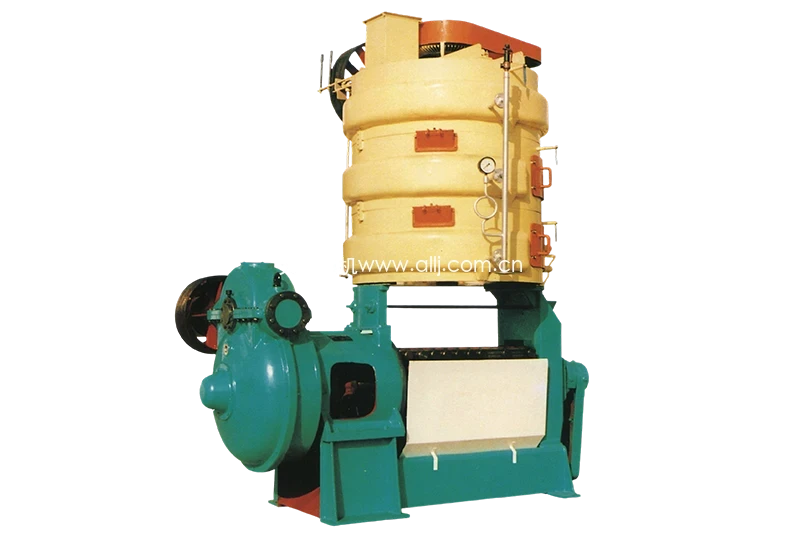
Oil pressing machines play a pivotal role in the agriculture and food sector, particularly in the production of edible oils. These machines are designed to extract oil from various oilseeds, such as sunflower, sesame, and soybean, utilizing mechanical pressure. Understanding the functionality and technology behind oil pressing machines can significantly impact the quality and yield of the oil produced.
The basic principle of oil pressing involves applying pressure to oilseeds to rupture the cell walls, allowing the oil to flow out. This process can be categorized into two main methods: cold pressing and hot pressing. Cold pressing refers to extracting oil at lower temperatures, which helps preserve the oil's flavor and nutritional qualities. This method is particularly popular among health-conscious consumers who seek oils that retain their natural properties.
On the other hand, hot pressing involves heating the oilseeds before extraction, which increases the oil yield but may compromise some of the oil's delicate flavors and nutrients. Each method has its advantages and is chosen based on the desired oil quality and production efficiency.
Modern oil pressing machines are often equipped with advanced technologies to enhance performance. For instance, many machines now come with automated controls that allow operators to adjust parameters such as temperature, pressure, and extraction time. This level of control can lead to improved oil quality and maximized extraction rates, making the production process more efficient.
Furthermore, oil pressing machines vary in capacity, catering to both small-scale artisanal producers and large-scale industrial operations. For smaller businesses, a small oil pressing machine can offer a cost-effective solution, allowing them to produce high-quality oils for niche markets. Conversely, larger operations may invest in more extensive machinery capable of handling higher volumes, ensuring consistency and uniformity in production.
Maintenance is another crucial aspect of operating an oil pressing machine. Regular cleaning and servicing can prevent breakdowns and ensure the longevity of the equipment. Understanding the specific maintenance requirements for different machine types is essential for operators to maintain optimal performance and avoid costly repairs.
In summary, investing in a high-quality oil pressing machine can greatly enhance the efficiency of edible oil production. By selecting the appropriate pressing method and maintaining the equipment properly, producers can achieve superior oil quality while maximizing yield and profitability. As the demand for natural and healthy oils continues to grow, understanding the role of oil pressing machines in this industry becomes increasingly relevant for both new and established producers alike.
The basic principle of oil pressing involves applying pressure to oilseeds to rupture the cell walls, allowing the oil to flow out. This process can be categorized into two main methods: cold pressing and hot pressing. Cold pressing refers to extracting oil at lower temperatures, which helps preserve the oil's flavor and nutritional qualities. This method is particularly popular among health-conscious consumers who seek oils that retain their natural properties.
On the other hand, hot pressing involves heating the oilseeds before extraction, which increases the oil yield but may compromise some of the oil's delicate flavors and nutrients. Each method has its advantages and is chosen based on the desired oil quality and production efficiency.
Modern oil pressing machines are often equipped with advanced technologies to enhance performance. For instance, many machines now come with automated controls that allow operators to adjust parameters such as temperature, pressure, and extraction time. This level of control can lead to improved oil quality and maximized extraction rates, making the production process more efficient.
Furthermore, oil pressing machines vary in capacity, catering to both small-scale artisanal producers and large-scale industrial operations. For smaller businesses, a small oil pressing machine can offer a cost-effective solution, allowing them to produce high-quality oils for niche markets. Conversely, larger operations may invest in more extensive machinery capable of handling higher volumes, ensuring consistency and uniformity in production.
Maintenance is another crucial aspect of operating an oil pressing machine. Regular cleaning and servicing can prevent breakdowns and ensure the longevity of the equipment. Understanding the specific maintenance requirements for different machine types is essential for operators to maintain optimal performance and avoid costly repairs.
In summary, investing in a high-quality oil pressing machine can greatly enhance the efficiency of edible oil production. By selecting the appropriate pressing method and maintaining the equipment properly, producers can achieve superior oil quality while maximizing yield and profitability. As the demand for natural and healthy oils continues to grow, understanding the role of oil pressing machines in this industry becomes increasingly relevant for both new and established producers alike.
oil pressing machine
