
Choosing Between New and Used Oilseed Processing Equipment: Key Considerations for Your Business
2026/02/22
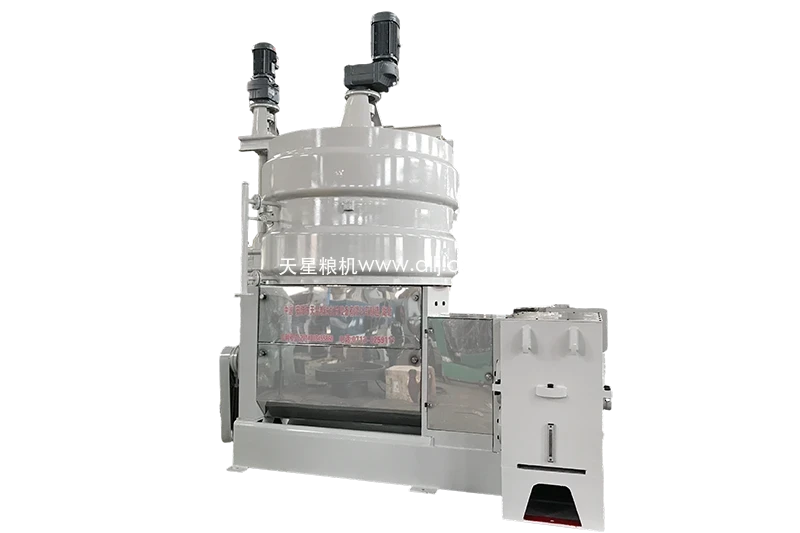
Choosing Between New and Used Oilseed Processing Equipment: Key Considerations for Your Business
In the ever-evolving agricultural sector, the decision to invest in oilseed processing equipment can significantly impact your operational efficiency and overall profitability. With advancements in technology and varying market conditions, businesses often find themselves at a crossroads: should they opt for new equipment or consider purchasing used machinery? This article delves deep into the key considerations for making an informed choice, ensuring that your investment aligns with your business goals.
Table of Contents
1. Understanding Oilseed Processing Equipment
2. Advantages of New Oilseed Processing Equipment
2.1 Technological Edge
2.2 Warranty and Support
3. Benefits of Used Oilseed Processing Equipment
3.1 Cost Savings
3.2 Immediate Availability
4. Key Considerations When Choosing Equipment
4.1 Budget Constraints
4.2 Production Volume Requirements
4.3 Maintenance and Downtime
4.4 Efficiency and Sustainability
5. Assessing Equipment Condition
6. Financing Options for Your Equipment
7. Frequently Asked Questions (FAQs)
8. Conclusion
1. Understanding Oilseed Processing Equipment
Oilseed processing equipment plays a pivotal role in transforming raw oilseeds into marketable products. This machinery is crucial for various operations, including cleaning, cracking, flaking, cooking, and pressing. Understanding the functionality and significance of these processes is essential for making an informed investment decision.
2. Advantages of New Oilseed Processing Equipment
Investing in new oilseed processing equipment comes with several distinct advantages that can enhance your production capabilities and operational efficiency.
2.1 Technological Edge
One of the primary benefits of new equipment is the integration of the latest technology. New machinery often incorporates advanced features that optimize processing efficiency, improve oil yield, and enhance product quality. These technological benefits can lead to significant long-term savings and increased competitiveness in the market.
2.2 Warranty and Support
New equipment typically comes with warranties and comprehensive support packages. This assurance means that if any issues arise, manufacturers will cover repair costs, reducing the financial risk associated with unexpected breakdowns. Having access to technical support can also facilitate smoother operations and faster problem resolution.
3. Benefits of Used Oilseed Processing Equipment
While new equipment offers numerous benefits, used oilseed processing machinery can be an attractive option for businesses looking to minimize capital expenditure.
3.1 Cost Savings
The most significant advantage of purchasing used machinery is the substantial cost savings. Used oilseed processing equipment can often be acquired at a fraction of the cost of new models, making it an appealing option for startups or businesses operating on a tight budget.
3.2 Immediate Availability
Used equipment can often be purchased and operationalized more swiftly than new machinery. This immediate availability allows businesses to meet production demands without the typical delays associated with manufacturing and delivery times for new equipment.
4. Key Considerations When Choosing Equipment
Choosing between new and used oilseed processing equipment requires a thorough evaluation of various factors that will influence your decision.
4.1 Budget Constraints
Establishing a clear budget is crucial. Determine how much you can afford to spend on oilseed processing equipment, considering both the purchase price and ongoing operational costs. This budget will guide you toward either new or used options based on your financial capabilities.
4.2 Production Volume Requirements
Your production volume significantly influences equipment choice. If you anticipate high production needs, investing in new equipment may be worthwhile for its efficiency and reliability. Conversely, if your operation is smaller or seasonal, used equipment might adequately meet your demands without overspending.
4.3 Maintenance and Downtime
Consider the maintenance history and expected lifespan of the equipment. New machinery often requires less maintenance initially, whereas used equipment may come with an unpredictable maintenance schedule. Evaluate the potential downtime costs associated with each option to determine which aligns with your operational goals.
4.4 Efficiency and Sustainability
Energy efficiency and sustainability are increasingly important considerations in today's agricultural landscape. New equipment often adheres to stricter environmental regulations and utilizes advanced technologies to minimize energy consumption and waste. Assess both new and used options concerning their environmental impact to align with your company's sustainability goals.
5. Assessing Equipment Condition
When considering used oilseed processing equipment, conducting a thorough assessment is essential. Check for wear and tear, operational efficiency, and any previous modifications that could affect performance. Engaging a professional technician for an inspection can provide insights into the equipment's reliability and longevity.
6. Financing Options for Your Equipment
Exploring financing options can greatly impact your decision. New equipment often comes with financing plans from manufacturers, which may include low-interest rates or deferred payment options. On the other hand, used equipment may require immediate upfront payments or financing through banks or credit unions. Weighing these options against your cash flow situation is essential for a successful purchase.
7. Frequently Asked Questions (FAQs)
1. What are the benefits of investing in new oilseed processing equipment?
Investing in new equipment often provides technological advantages, warranties, and support, ensuring reliability and efficiency.
2. How can I assess the condition of used oilseed processing equipment?
Conduct a detailed inspection, including checking for wear, previous maintenance records, and operational performance, possibly with a technician's help.
3. What financing options are available for purchasing oilseed processing equipment?
Options include manufacturer financing for new equipment, bank loans, or credit union financing for both new and used machinery.
4. How does production volume affect my choice of equipment?
High production volumes often necessitate reliable and efficient new equipment, while smaller operations can benefit from the cost savings of used machinery.
5. What role does energy efficiency play in my equipment choice?
Energy efficiency is vital for reducing operational costs and adhering to environmental regulations, making it a crucial factor in equipment selection.
8. Conclusion
Choosing between new and used oilseed processing equipment is a significant decision that warrants careful consideration. By evaluating your budget constraints, production volume requirements, and maintenance expectations, you can make an informed choice that aligns with your business objectives. Whether you opt for the technological edge of new machinery or the cost savings offered by used equipment, understanding the nuances of each option will ultimately lead to a more efficient and profitable operation. Make your choice wisely, and invest in equipment that will drive your agricultural business forward.
