
Maximizing Efficiency with Oil Pressing Machines: A Comprehensive Guide
2026/02/23
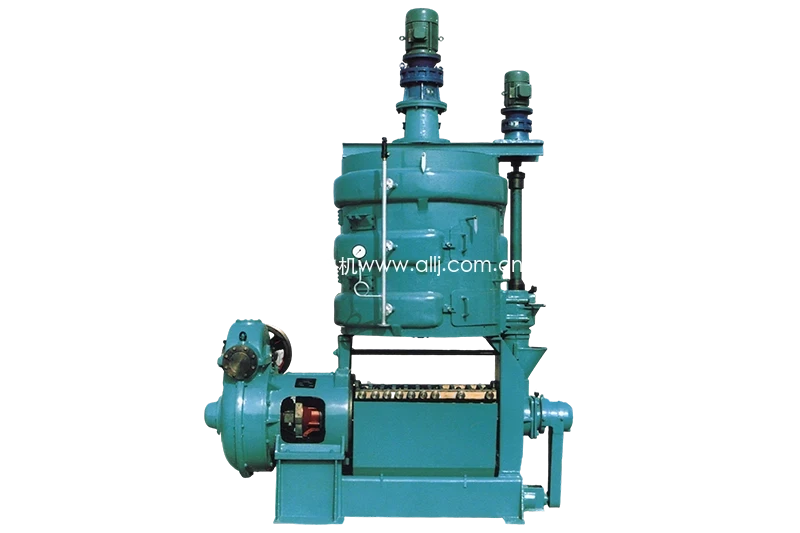
Oil pressing machines are vital for the agricultural food industry, particularly in the processing of edible oils. Understanding the intricacies of these machines can significantly boost operational efficiency while ensuring high-quality oil extraction. This article delves into the fundamental aspects of oil pressing machines, discussing their types, functionalities, and best practices for optimal use.
The primary function of an oil pressing machine is to extract oil from various seeds and nuts, including but not limited to sunflower seeds, soybean, and peanuts. There are two main types of oil pressing methods: cold pressing and hot pressing. Cold pressing involves extracting oil without the application of heat, preserving the nutrients and flavor of the oil, making it ideal for high-quality edible oils. On the other hand, hot pressing applies heat, which can increase oil yield but may alter the flavor and nutritional content.
When selecting an oil pressing machine, several factors need to be considered. The capacity of the machine is crucial, especially for larger operations. Understanding your production needs will guide you in choosing a machine that can meet your volume requirements without compromising quality. Additionally, consider the efficiency of the machine, as higher efficiency translates to lower operational costs and better return on investment.
Furthermore, the material and design of the machine play a significant role in its performance. Stainless steel machines are preferred for their durability and ease of cleaning, which is essential for maintaining hygiene standards in food processing. A well-designed oil pressing machine also ensures ease of operation and maintenance, reducing downtime and improving productivity.
In terms of technology, advancements have led to the development of more sophisticated oil pressing machines that include features like adjustable pressure settings and automated controls. These innovations can greatly enhance the user experience, allowing for more precise control over the extraction process, ultimately leading to higher quality oil production.
To maximize the benefits of your oil pressing machine, regular maintenance is essential. This includes cleaning the machine after each use, checking for wear and tear, and ensuring that all components function properly. Proper maintenance not only extends the longevity of the machine but also maintains the quality of the oil produced.
In conclusion, oil pressing machines are a cornerstone of the edible oil processing industry. With the right knowledge and practices, you can effectively utilize these machines to increase productivity, ensure quality, and thrive in the competitive agricultural food sector. Understanding the types, functionalities, and maintenance of oil pressing machines will empower you to make informed decisions that enhance your operations.
The primary function of an oil pressing machine is to extract oil from various seeds and nuts, including but not limited to sunflower seeds, soybean, and peanuts. There are two main types of oil pressing methods: cold pressing and hot pressing. Cold pressing involves extracting oil without the application of heat, preserving the nutrients and flavor of the oil, making it ideal for high-quality edible oils. On the other hand, hot pressing applies heat, which can increase oil yield but may alter the flavor and nutritional content.
When selecting an oil pressing machine, several factors need to be considered. The capacity of the machine is crucial, especially for larger operations. Understanding your production needs will guide you in choosing a machine that can meet your volume requirements without compromising quality. Additionally, consider the efficiency of the machine, as higher efficiency translates to lower operational costs and better return on investment.
Furthermore, the material and design of the machine play a significant role in its performance. Stainless steel machines are preferred for their durability and ease of cleaning, which is essential for maintaining hygiene standards in food processing. A well-designed oil pressing machine also ensures ease of operation and maintenance, reducing downtime and improving productivity.
In terms of technology, advancements have led to the development of more sophisticated oil pressing machines that include features like adjustable pressure settings and automated controls. These innovations can greatly enhance the user experience, allowing for more precise control over the extraction process, ultimately leading to higher quality oil production.
To maximize the benefits of your oil pressing machine, regular maintenance is essential. This includes cleaning the machine after each use, checking for wear and tear, and ensuring that all components function properly. Proper maintenance not only extends the longevity of the machine but also maintains the quality of the oil produced.
In conclusion, oil pressing machines are a cornerstone of the edible oil processing industry. With the right knowledge and practices, you can effectively utilize these machines to increase productivity, ensure quality, and thrive in the competitive agricultural food sector. Understanding the types, functionalities, and maintenance of oil pressing machines will empower you to make informed decisions that enhance your operations.
oil pressing machine
