
How Oilseed Processing Equipment Can Transform Your Agricultural Business
2026/03/14
How Oilseed Processing Equipment Can Transform Your Agricultural Business
Table of Contents
- 1. Introduction to Oilseed Processing
- 2. Importance of Oilseed Processing in Agriculture
- 3. Overview of Oilseed Processing Equipment
- 4. Benefits of Investing in Oilseed Processing Equipment
- 5. Types of Oilseed Processing Equipment
- 6. Choosing the Right Oilseed Processing Equipment
- 7. Implementing Oilseed Processing Equipment in Your Business
- 8. Frequently Asked Questions (FAQs)
- 9. Conclusion
1. Introduction to Oilseed Processing
Oilseed processing is a crucial step in transforming raw seeds into valuable oil products that are vital for various industries, including food production, cosmetics, and biofuels. With the rising global demand for oil, investing in oilseed processing equipment is essential for agricultural businesses looking to enhance efficiency and profitability. This article delves into the significance of oilseed processing equipment and how it can transform your agricultural enterprise.
2. Importance of Oilseed Processing in Agriculture
The importance of oilseed processing cannot be overstated. As consumer preferences shift toward healthier and more sustainable food options, the demand for high-quality edible oils, such as soybean, sunflower, and canola oil, continues to rise. This demand presents an unparalleled opportunity for agricultural businesses to capitalize on oilseed processing.
Oilseed processing not only adds value to agricultural products but also contributes to food security and economic stability. By processing oilseeds, farmers can diversify their income streams, reduce waste, and maximize the output from their crops. Furthermore, processing oilseeds locally can enhance community employment opportunities and stimulate economic growth.
3. Overview of Oilseed Processing Equipment
Oilseed processing equipment encompasses a wide range of machinery designed to extract oil from seeds and refine it for consumption. The primary functions of this equipment include crushing, pressing, refining, and filtering oilseeds to produce high-quality oil products. Understanding the various types of equipment available is crucial for making informed investment decisions.
4. Benefits of Investing in Oilseed Processing Equipment
Investing in oilseed processing equipment offers numerous benefits that can significantly impact your agricultural business. Below, we explore three key advantages:
4.1 Increased Operational Efficiency
Modern oilseed processing equipment streamlines the extraction process, reducing the time and labor required to produce oil. Advanced machinery employs innovative technologies, such as automated controls and precision engineering, resulting in higher throughput rates and minimized production costs. This increased efficiency allows farmers to focus on other critical aspects of their operations while maximizing oil output.
4.2 Enhanced Product Quality
The quality of oil produced directly impacts consumer satisfaction and market profitability. Investing in high-quality oilseed processing equipment ensures that oil extraction is optimized, preserving the nutritional value and flavor of the oil. Advanced refining techniques remove impurities and improve the shelf life of the product, making it more appealing to consumers and retailers alike.
4.3 Boosted Profitability
The combination of increased efficiency and enhanced product quality leads to significantly improved profitability for agricultural businesses. By processing oilseeds in-house, farmers can capture greater margins by selling value-added products rather than raw seeds. Additionally, entering niche markets, such as organic or specialty oils, can further enhance revenue potential.
5. Types of Oilseed Processing Equipment
Understanding the different types of oilseed processing equipment available is essential for selecting the right machinery for your agricultural business. Below are the key types of equipment commonly used in oilseed processing:
5.1 Oil Expellers
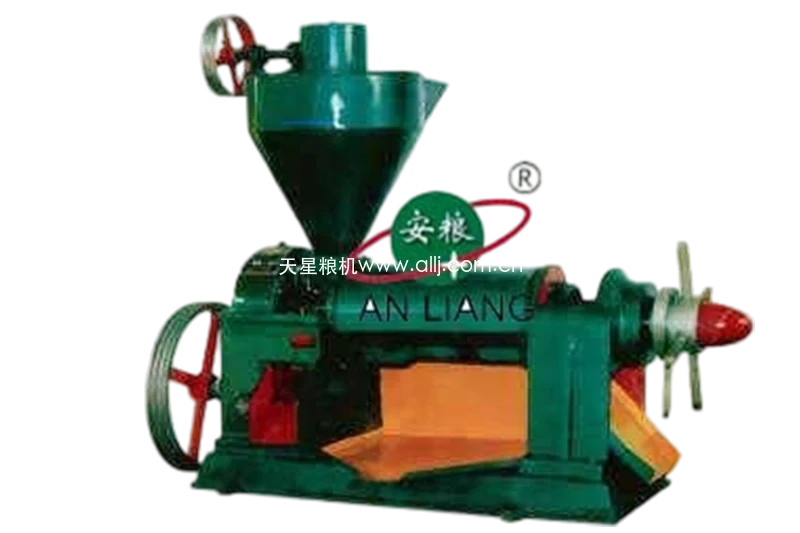
Oil expellers are mechanical devices designed to extract oil from oilseeds through pressing. These machines operate by applying mechanical pressure to the seeds, causing the oil to flow out. Depending on the design and capacity, oil expellers can significantly vary in size and efficiency.
5.2 Oil Refiners
Oil refiners are essential for purifying crude oil extracted from oilseeds. The refining process involves removing free fatty acids, phospholipids, pigments, and other impurities. This ensures that the final product meets quality standards for edible oils.
5.3 Oil Filters
Oil filters are critical in the oil processing line, as they remove any remaining particulate matter after the refining process. High-quality filters ensure that the oil is clear and free from contaminants, thus enhancing its marketability.
6. Choosing the Right Oilseed Processing Equipment
Selecting the right oilseed processing equipment is a critical decision that can determine the success of your business. Here are crucial factors to consider when making this choice:
1. **Capacity Requirements**: Assess your production needs to determine the capacity of the equipment required. Consider both current and future demands to ensure scalability.
2. **Technology and Features**: Look for machinery that incorporates advanced technology, such as automation and energy efficiency. These features can enhance productivity and reduce operational costs.
3. **Cost and Budget**: Evaluate your budget and consider the long-term return on investment. While high-quality equipment may have a higher upfront cost, the long-term savings can justify the investment.
4. **Manufacturer Reputation**: Research manufacturers with a solid track record in the industry. Reliable equipment backed by excellent customer service and support can make a significant difference in your operational success.
7. Implementing Oilseed Processing Equipment in Your Business
Successful implementation of oilseed processing equipment involves strategic planning and execution. Here are key steps to ensure a smooth transition:
1. **Conduct a Needs Assessment**: Analyze your current operations and identify areas where processing equipment can be integrated effectively.
2. **Develop a Business Plan**: Create a comprehensive business plan outlining your goals, target market, and financial projections. This plan will serve as a roadmap for your investment and growth strategy.
3. **Train Your Team**: Provide adequate training for your staff on the operation and maintenance of the new equipment. Skilled operators significantly contribute to maximizing production efficiency and product quality.
4. **Monitor Performance**: Implement systems to monitor the performance of the new equipment regularly. This will help identify any issues early and ensure that operations run smoothly.
8. Frequently Asked Questions (FAQs)
What types of oil can be produced from oilseed processing?
Various oils, including soybean oil, sunflower oil, canola oil, and peanut oil, can be produced through oilseed processing. Each type of oil has unique characteristics and applications.
How does oilseed processing impact the environment?
Oilseed processing can be environmentally friendly when conducted using modern, efficient equipment that minimizes waste and energy consumption. Additionally, processing oilseeds locally can reduce transportation emissions.
What are the initial costs of investing in oilseed processing equipment?
The initial costs can vary widely depending on the type and capacity of the equipment. Budgeting for installation, training, and operational costs is also essential.
Can small farms benefit from oilseed processing equipment?
Yes, small farms can benefit significantly from oilseed processing equipment, allowing them to produce value-added products that enhance their income potential.
What maintenance is required for oilseed processing equipment?
Routine maintenance, including cleaning, lubrication, and inspections, is essential for ensuring the longevity and efficient operation of oilseed processing equipment.
9. Conclusion
In conclusion, investing in oilseed processing equipment can profoundly transform your agricultural business. By enhancing efficiency, product quality, and profitability, these advanced machines enable farmers to meet the growing demand for edible oils while maximizing their returns. As the agricultural landscape continues to evolve, embracing oilseed processing technology is not just an option; it is a necessity for those looking to thrive in a competitive market. Adapt, invest, and watch your agricultural enterprise flourish through the power of oilseed processing equipment.
