
Understanding Oil Pressing Machines: Key Insights for the Edible Oil Industry
2026/03/15
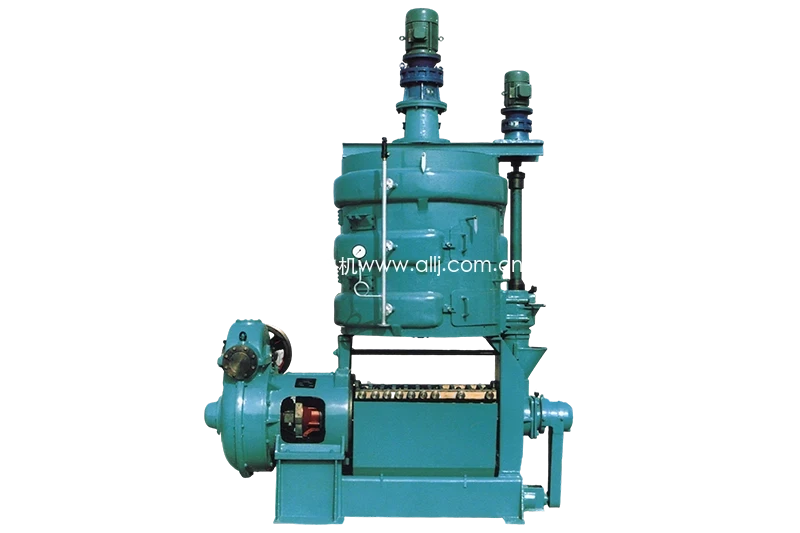
Oil pressing machines are vital components in the edible oil processing industry, playing a crucial role in extracting oil from various seeds and nuts. These machines utilize mechanical pressure to separate oil from the raw materials, which can include sunflower seeds, soybeans, peanuts, and more. Understanding the operational mechanisms, advantages, and types of oil pressing machines can greatly enhance productivity and oil quality in your agricultural endeavors.
The operation of an oil pressing machine generally involves two stages: pre-treatment and pressing. During pre-treatment, raw seeds undergo cleaning, drying, and sometimes roasting to prepare them for oil extraction. This stage is vital because it affects the efficiency of oil extraction and the quality of the oil produced. Once prepared, the seeds are fed into the pressing chamber, where they are subjected to high pressure. The oil flows out, while the remaining solid matter, known as oil cake, is separated. This cake can be repurposed as animal feed or organic fertilizer, showcasing the sustainability aspect of oil processing.
There are primarily two types of oil pressing machines: cold pressing and hot pressing. Cold pressing involves extracting oil without the application of heat, preserving the oil's natural flavor and nutritional value. This method is often preferred for high-quality oils such as olive and coconut oil. On the other hand, hot pressing involves heating the seeds before extraction, which can increase oil yield but may alter some of the oil's characteristics. Understanding the differences between these methods will help you choose the right technology based on your production goals and the type of oil you intend to produce.
Investing in advanced oil pressing machines can significantly streamline production processes. Modern machines come equipped with features such as automated controls, energy-efficient designs, and multi-functional capabilities. These innovations not only enhance oil extraction rates but also contribute to reducing operational costs and environmental impacts. Furthermore, many machines today are designed with user-friendliness in mind, making it easier for operators to manage the extraction process.
Beyond the operational aspects, it’s essential to consider the regulatory environment surrounding edible oil production. Various countries have specific standards for oil quality, labeling, and sustainability practices. Staying informed about these regulations can help ensure compliance and enhance marketability.
In summary, oil pressing machines are indispensable for the edible oil processing sector. By understanding their operation, types, and the latest advancements, professionals can make informed decisions that optimize production efficiency and ensure high-quality oil output. Whether you are a seasoned expert or new to the industry, gaining insights into these machines can significantly benefit your agricultural operations and product offerings.
The operation of an oil pressing machine generally involves two stages: pre-treatment and pressing. During pre-treatment, raw seeds undergo cleaning, drying, and sometimes roasting to prepare them for oil extraction. This stage is vital because it affects the efficiency of oil extraction and the quality of the oil produced. Once prepared, the seeds are fed into the pressing chamber, where they are subjected to high pressure. The oil flows out, while the remaining solid matter, known as oil cake, is separated. This cake can be repurposed as animal feed or organic fertilizer, showcasing the sustainability aspect of oil processing.
There are primarily two types of oil pressing machines: cold pressing and hot pressing. Cold pressing involves extracting oil without the application of heat, preserving the oil's natural flavor and nutritional value. This method is often preferred for high-quality oils such as olive and coconut oil. On the other hand, hot pressing involves heating the seeds before extraction, which can increase oil yield but may alter some of the oil's characteristics. Understanding the differences between these methods will help you choose the right technology based on your production goals and the type of oil you intend to produce.
Investing in advanced oil pressing machines can significantly streamline production processes. Modern machines come equipped with features such as automated controls, energy-efficient designs, and multi-functional capabilities. These innovations not only enhance oil extraction rates but also contribute to reducing operational costs and environmental impacts. Furthermore, many machines today are designed with user-friendliness in mind, making it easier for operators to manage the extraction process.
Beyond the operational aspects, it’s essential to consider the regulatory environment surrounding edible oil production. Various countries have specific standards for oil quality, labeling, and sustainability practices. Staying informed about these regulations can help ensure compliance and enhance marketability.
In summary, oil pressing machines are indispensable for the edible oil processing sector. By understanding their operation, types, and the latest advancements, professionals can make informed decisions that optimize production efficiency and ensure high-quality oil output. Whether you are a seasoned expert or new to the industry, gaining insights into these machines can significantly benefit your agricultural operations and product offerings.
oil pressing machine
