
Optimizing Oilseed Handling and Conveying Equipment for Efficient Processing
2026/03/21
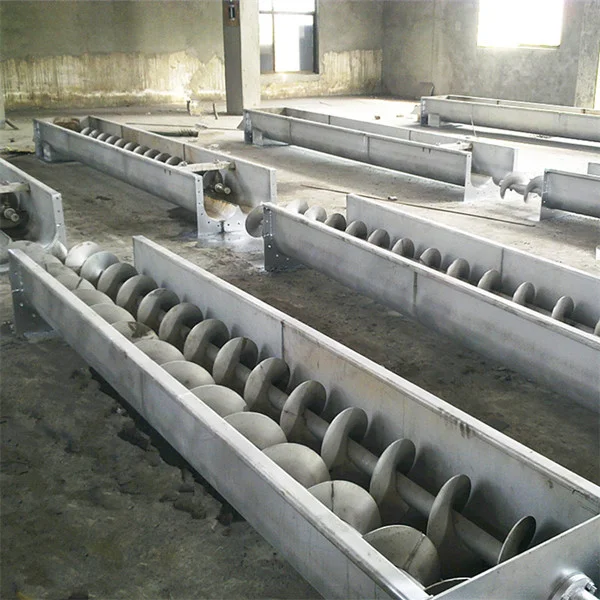
In the agriculture food industry, particularly in the edible oil processing sector, the management of oilseed handling and conveying equipment is a critical factor in ensuring operational efficiency and product quality. Effective handling systems can significantly enhance the productivity of processing plants, minimize waste, and reduce the risk of contamination, making it essential for professionals in this field to invest in the right equipment and practices.
Oilseed handling typically involves several stages, including receiving, storage, and processing. During the receiving phase, it is vital to have robust equipment capable of efficiently transferring seeds from trucks or railcars into storage silos. This process not only requires careful handling to prevent seed damage but also should include features that allow for the quick assessment of seed quality and moisture content.
Once the seeds are stored, the conveying equipment plays a pivotal role in transporting the oilseeds to processing units. The choice of conveying systems—such as screw conveyors, bucket elevators, or pneumatic systems—depends on various factors including the type of oilseed, the required processing speed, and the layout of the processing facility. Each system has its advantages; for example, pneumatic conveyors are known for their ability to transport seeds over long distances without physical damage, while mechanical conveyors are often more cost-effective for shorter distances.
Moreover, maintaining the functionality of oilseed handling and conveying equipment is crucial. Regular inspections and maintenance schedules should be established to ensure all systems operate efficiently. This not only prolongs the lifespan of the equipment but also minimizes downtime, which can be costly in the fast-paced environment of edible oil processing.
Another important aspect to consider is the integration of technology into oilseed handling and conveying operations. Automation and control systems can streamline processes, providing real-time data on seed flow rates, moisture levels, and other critical parameters. This information can help operators make informed decisions, leading to optimized processing conditions and improved product quality.
Finally, it is essential to stay informed about the latest advancements in oilseed handling and conveying equipment. Innovations in materials, design, and technology continue to emerge, providing opportunities for enhanced efficiency and sustainability in processing operations. Engaging with industry experts and attending relevant workshops or trade shows can provide valuable insights into these developments.
In conclusion, effective oilseed handling and conveying equipment are paramount for success in the edible oil processing sector. By prioritizing the right systems, maintenance practices, and technological advancements, professionals can significantly enhance operational efficiency and product quality, positioning their businesses for growth and competitiveness in the market.
Oilseed handling typically involves several stages, including receiving, storage, and processing. During the receiving phase, it is vital to have robust equipment capable of efficiently transferring seeds from trucks or railcars into storage silos. This process not only requires careful handling to prevent seed damage but also should include features that allow for the quick assessment of seed quality and moisture content.
Once the seeds are stored, the conveying equipment plays a pivotal role in transporting the oilseeds to processing units. The choice of conveying systems—such as screw conveyors, bucket elevators, or pneumatic systems—depends on various factors including the type of oilseed, the required processing speed, and the layout of the processing facility. Each system has its advantages; for example, pneumatic conveyors are known for their ability to transport seeds over long distances without physical damage, while mechanical conveyors are often more cost-effective for shorter distances.
Moreover, maintaining the functionality of oilseed handling and conveying equipment is crucial. Regular inspections and maintenance schedules should be established to ensure all systems operate efficiently. This not only prolongs the lifespan of the equipment but also minimizes downtime, which can be costly in the fast-paced environment of edible oil processing.
Another important aspect to consider is the integration of technology into oilseed handling and conveying operations. Automation and control systems can streamline processes, providing real-time data on seed flow rates, moisture levels, and other critical parameters. This information can help operators make informed decisions, leading to optimized processing conditions and improved product quality.
Finally, it is essential to stay informed about the latest advancements in oilseed handling and conveying equipment. Innovations in materials, design, and technology continue to emerge, providing opportunities for enhanced efficiency and sustainability in processing operations. Engaging with industry experts and attending relevant workshops or trade shows can provide valuable insights into these developments.
In conclusion, effective oilseed handling and conveying equipment are paramount for success in the edible oil processing sector. By prioritizing the right systems, maintenance practices, and technological advancements, professionals can significantly enhance operational efficiency and product quality, positioning their businesses for growth and competitiveness in the market.
Oilseed Handling and Conveying Equipment
