
How to Choose the Right Edible Oil Refining Equipment for Your Business
2026/03/22
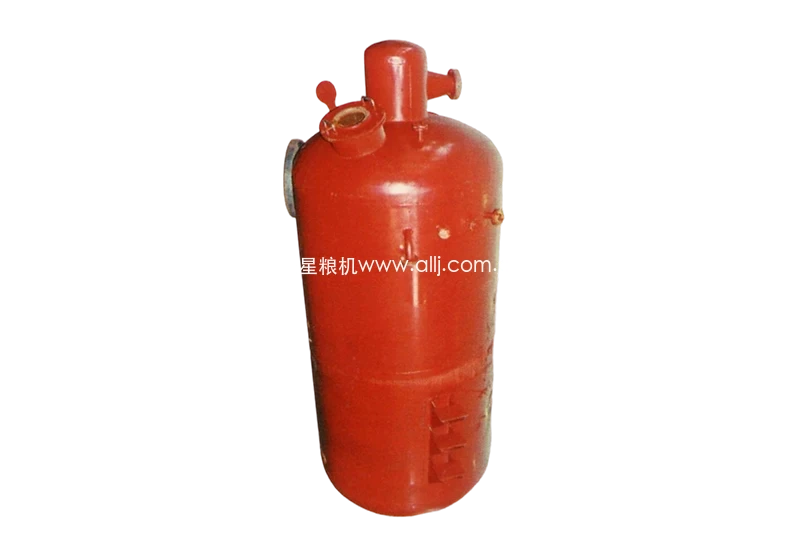
How to Choose the Right Edible Oil Refining Equipment for Your Business
Choosing the right edible oil refining equipment is a pivotal decision for any business involved in oil processing. The quality of your equipment directly impacts the efficiency of your operations, the quality of your final product, and ultimately, your bottom line. In this detailed guide, we will delve into the various aspects of edible oil refining equipment, helping you make an informed choice that aligns with your business goals.
Understanding Edible Oil Refining Processes
Before selecting equipment, it's crucial to grasp the different refining processes. Edible oil refining can be broadly categorized into two types: physical refining and chemical refining.
1. Physical Refining
Physical refining involves processes such as degumming, neutralization, bleaching, and deodorization, which occur without the use of chemicals. This method is primarily used for oils that have low free fatty acid content. The benefits of physical refining include:
- Higher oil yield
- Enhanced flavor retention
- Reduced environmental impact
2. Chemical Refining
In contrast, chemical refining employs chemical agents to remove impurities from the oil. This method is more efficient for oils with high free fatty acids. Key steps include:
- Degumming
- Neutralization
- Bleaching
- Deodorization
Chemical refining typically offers better results for certain oil types, but it may involve higher operational costs due to the chemicals used.
Key Factors to Consider When Choosing Equipment
When selecting edible oil refining equipment, several critical factors should guide your decision-making process.
1. Capacity Requirements
Assessing your production capacity is paramount. Consider the volume of oil you plan to refine daily. Equipment comes in various sizes, so choose a model that can accommodate your business's current and future needs without sacrificing quality.
2. Type of Raw Material
Not all oils are created equal. Different raw materials require specific refining processes. Identify the types of oils you will be refining and ensure the equipment you select is compatible with those materials.
3. Quality of End Product
The quality of the refined oil is the ultimate goal. Choose equipment that guarantees high-quality output by efficiently removing impurities while preserving essential nutrients and flavors.
4. Energy Efficiency
Energy costs can significantly impact your operational expenses. Opt for equipment that boasts energy-efficient designs and technologies to reduce overall consumption and lower costs.
5. Maintenance and Support
Reliable after-sales support and easy maintenance are crucial for uninterrupted operations. Investigate the manufacturer's reputation for service and the availability of spare parts to ensure smooth functioning over the equipment’s lifespan.
6. Compliance with Industry Standards
Ensure that the equipment complies with local and international food safety and quality standards. This compliance is essential not only for legal reasons but also for building trust with consumers.
7. Budget Constraints
Establish a budget before diving into the selection process. While investing in high-quality equipment is vital, it is equally important to remain within your financial constraints. Compare different models and manufacturers to find the best value for your investment.
Types of Edible Oil Refining Equipment
Understanding the various types of refining equipment will help you make an informed choice best suited for your operations.
1. Degumming Equipment
Degumming is the first step in the refining process. Degumming equipment removes phospholipids and other impurities from the crude oil. This step is critical for enhancing oil quality and stability.
2. Neutralization Equipment
Neutralization equipment is essential for removing free fatty acids. This process often involves adding an alkaline solution to the oil. Efficient neutralization helps improve the flavor and shelf-life of the final product.
3. Bleaching Equipment
Bleaching equipment is responsible for removing pigments and impurities that can affect the color and taste of the oil. This step is crucial for producing visually appealing and marketable products.
4. Deodorization Equipment
Deodorization equipment employs steam distillation to remove volatile compounds that can impart undesirable odors. This process is vital for achieving a neutral flavor profile in the refined oil.
5. Filter Presses
Filter presses are used to separate solids from liquids during the refining process. High-quality filter presses ensure that any residual impurities are effectively removed, resulting in a clearer final product.
Evaluating Manufacturers and Suppliers
Once you have a clear idea of the equipment types suitable for your business, the next step is to evaluate potential manufacturers and suppliers.
1. Reputation and Experience
Research the reputation and experience of various manufacturers. Look for companies with a solid track record in producing reliable and efficient edible oil refining equipment.
2. Customer Reviews and Testimonials
Reading customer reviews and testimonials can provide valuable insights into the performance and reliability of the equipment. Seek feedback from current users to gauge satisfaction levels.
3. Warranty and Service Agreements
A robust warranty and service agreement can protect your investment and ensure ongoing support. Verify the terms of the warranty and what is covered to safeguard against potential issues.
4. Innovation and Technology
Evaluate manufacturers based on their commitment to innovation and incorporating new technologies into their equipment designs. Advanced technologies can enhance efficiency, reduce energy consumption, and improve the quality of your refined oil.
Cost Considerations in Equipment Selection
Understanding the costs associated with edible oil refining equipment is essential for making a financially sound decision.
1. Initial Investment
The initial purchase price of the equipment will likely be a significant factor in your decision. Compare costs across different manufacturers while considering the quality and efficiency of the equipment.
2. Operational Expenses
Beyond the initial investment, consider ongoing operational expenses such as energy consumption, maintenance, and spare parts. Choosing energy-efficient equipment can lead to substantial savings in the long run.
3. Return on Investment (ROI)
Calculate the expected ROI based on your production goals and the quality of the output. Understanding the potential profitability of your investment can help justify the costs incurred.
FAQs about Choosing Edible Oil Refining Equipment
1. What are the main types of edible oil refining equipment?
The main types include degumming, neutralization, bleaching, deodorization, and filter presses. Each plays a crucial role in ensuring the quality of the final product.
2. How do I determine the capacity of equipment I need?
Assess your current and projected production volumes to determine the capacity requirements. Consult with manufacturers to find equipment that meets those needs.
3. What factors affect the quality of refined oil?
Key factors include the type of raw material, the efficiency of the refining processes, and the equipment's ability to remove impurities effectively.
4. How important is energy efficiency in refining equipment?
Energy efficiency is crucial as it directly affects operational costs and environmental impact. Opt for equipment designed to minimize energy consumption.
5. How can I ensure compliance with industry standards?
Research local and international food safety and quality standards, and choose equipment manufacturers whose products comply with these regulations.
Conclusion
Selecting the right edible oil refining equipment is a critical decision that can significantly impact your business's success. By understanding the refining processes, considering key factors, evaluating manufacturers, and being mindful of costs, you can make an informed choice that aligns with your operational needs and goals. Equip your business with high-quality refining equipment to ensure the production of top-notch edible oils that meet consumer expectations and regulatory standards. With the right tools in place, you'll be well on your way to achieving lasting success in the edible oil industry.
Oil Refining Equipment
