
Essential Factors to Consider When Selecting Oilseed Processing Machinery
2026/04/03
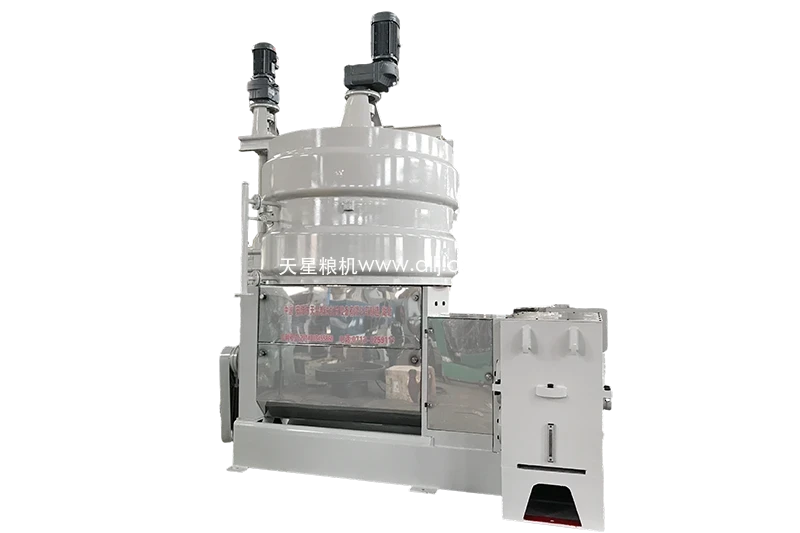
Essential Factors to Consider When Selecting Oilseed Processing Machinery
In the agricultural food sector, particularly within oilseed processing, selecting the right machinery is crucial for maximizing productivity and profitability. The choices you make regarding oilseed processing equipment can significantly impact the quality of the oil produced and the overall efficiency of your operations. In this comprehensive guide, we will delve into the **key factors** to consider when selecting oilseed processing machinery, ensuring that you make informed decisions that align with your business goals.
Understanding Oilseed Processing: An Overview
Before diving into the specific factors to consider, it’s important to understand what oilseed processing entails. Oilseed processing involves several stages, including cleaning, conditioning, pressing, and refining. The machinery used in these processes plays a pivotal role in determining the efficiency and quality of the final product.
The Importance of Choosing the Right Machinery
The quality of oil extracted from oilseeds directly correlates to the machinery used in processing. Poor machinery can lead to suboptimal extraction rates, poor oil quality, and increased operational costs. By carefully selecting the right equipment, you can enhance productivity, lower operational costs, and improve product quality.
Key Factors to Consider When Selecting Oilseed Processing Machinery
Selecting the right oilseed processing machinery is a multifaceted decision. Below are the most important factors to keep in mind:
1. Capacity and Throughput
When choosing oilseed processing equipment, consider the **capacity** and **throughput** you require. The capacity refers to the amount of oilseed that can be processed within a specific timeframe. It is crucial to match the machinery’s capacity with your production goals.
- **Operational Demand:** Assess your operational needs based on market demand and production targets. Selecting machinery with the appropriate capacity ensures that you can meet these demands without incurring unnecessary downtime or delays.
- **Scalability:** Opt for machinery that allows scalability. If you anticipate growth in your operations, choose equipment that can be upgraded or expanded to accommodate increasing production requirements.
2. Type of Oilseed
Different oilseeds require specific processing techniques. Understanding the type of oilseed you will be processing is essential for selecting the right machinery.
- **Common Oilseeds:** Soybean, canola, sunflower, and palm oil are among the most commonly processed oilseeds. Each of these oilseeds has unique characteristics that necessitate specific processing methods.
- **Customized Machinery:** Consider machinery built specifically for the oilseed you plan to process. Specialized equipment ensures optimal extraction rates and product quality.
3. Technology and Automation
Modern oilseed processing machinery often incorporates advanced technology and automation features, which can enhance efficiency and reduce labor costs.
- **Automation Benefits:** Automated systems can streamline operations, reduce human error, and improve overall productivity. Consider machinery with automated controls for processes such as pressing and refining.
- **Technological Innovations:** Look for machinery that integrates the latest technological advancements, such as energy-efficient designs or IoT connectivity for monitoring and maintenance.
4. Cost and Budget
Cost is always a crucial factor in any investment decision. When selecting oilseed processing machinery, it is essential to establish a clear budget and understand the total cost of ownership.
- **Initial Investment vs. Long-Term Savings:** While it may be tempting to choose the cheapest option, consider the long-term savings associated with higher-quality, more efficient machinery. Higher upfront costs may result in lower operational expenses over time.
- **Maintenance Costs:** Factor in ongoing maintenance costs when evaluating machinery. Equipment that requires frequent repairs can quickly erode your profit margins.
4.1 Financing Options
Explore financing options if the initial investment is a concern. Many suppliers offer flexible payment plans or leasing options, enabling you to acquire the machinery without straining your finances.
5. Energy Efficiency
Energy consumption is a significant consideration in oilseed processing. Investing in energy-efficient machinery can lead to substantial cost savings and a reduced environmental footprint.
- **Energy Ratings:** Look for machinery with high energy ratings and efficiency certifications. These machines often utilize advanced technology to minimize energy consumption while maintaining performance.
- **Sustainability Practices:** Aligning your operations with sustainable practices not only benefits the environment but can also attract eco-conscious consumers and investors.
6. Quality of Machinery and Brand Reputation
The quality of the machinery you choose has a direct impact on your processing efficiency and product quality. Choose reputable brands known for their reliability and performance.
- **Brand Research:** Conduct thorough research on manufacturers and brands. Look for reviews, testimonials, and case studies that highlight their performance in the industry.
- **Warranty and Support:** Opt for machinery that comes with a robust warranty and reliable customer support. This ensures you have assistance in case of any issues that may arise during operation.
7. Maintenance and Serviceability
Regular maintenance is vital to keep oilseed processing machinery running efficiently. When selecting equipment, consider how easy it is to maintain.
- **Design for Maintenance:** Choose machinery that features an intuitive design for easy access to components for routine maintenance and repairs.
- **Supplier Support:** Ensure that the manufacturer provides comprehensive support and spare parts availability to minimize downtime due to maintenance issues.
8. Compliance with Industry Standards
Adhering to industry standards and regulations is non-negotiable in oilseed processing. Selecting machinery that meets these standards ensures product safety and quality.
- **Regulatory Compliance:** Familiarize yourself with the regulations governing oilseed processing in your region, including safety standards and environmental guidelines.
- **Certifications:** Look for machinery with relevant certifications that demonstrate compliance with industry standards.
Conclusion
In conclusion, selecting the right oilseed processing machinery is a critical decision that requires careful consideration of multiple factors. From capacity and technology to cost and compliance, each aspect plays a vital role in ensuring operational efficiency and product quality. By taking the time to evaluate your specific needs and conducting thorough research, you can make informed choices that enhance your oilseed processing operations. By investing in high-quality machinery that aligns with your business goals, you set the foundation for success in the competitive agricultural food industry.
Frequently Asked Questions (FAQs)
1. What types of oilseed processing machinery are available?
There are various types of machinery used in oilseed processing, including cleaning equipment, oil presses, refining units, and packaging machines, each designed for specific stages of the oil extraction process.
2. How do I determine the right capacity for my oilseed processing needs?
Assess your production goals and market demand to determine the necessary capacity. Consider both current needs and future growth when selecting machinery.
3. What maintenance is required for oilseed processing machinery?
Routine maintenance typically includes cleaning, lubrication, and inspection of key components. It is essential to follow the manufacturer's guidelines for maintenance schedules.
4. Are there financing options available for purchasing oilseed processing machinery?
Yes, many suppliers offer financing plans, leasing options, or payment plans to assist businesses in acquiring the necessary machinery without a significant upfront investment.
5. How can I ensure that the machinery complies with industry standards?
Research the regulatory requirements in your region and select machinery from reputable manufacturers that hold the necessary certifications for compliance with industry standards.
