
Maximizing Efficiency in Oil Extraction: Insights into Oil Pressing Machines
2026/04/04
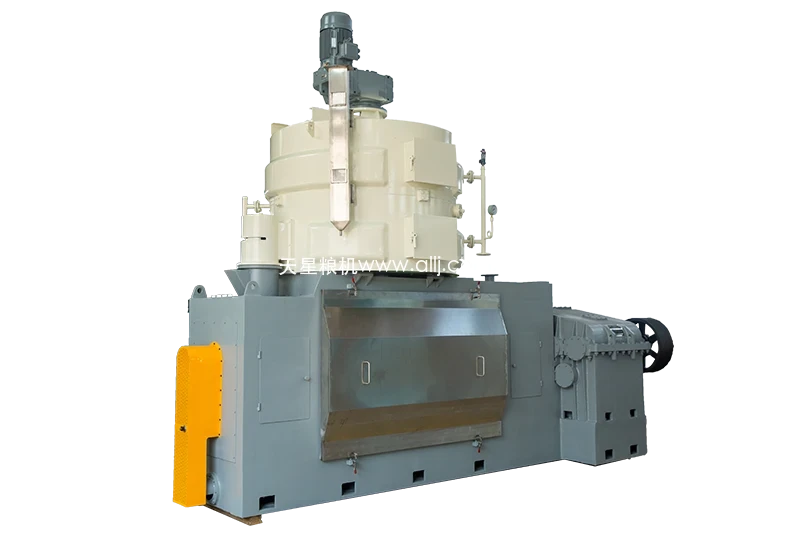
In the agricultural food sector, the oil pressing machine plays a pivotal role in the extraction of edible oils from various oilseeds. Understanding how these machines function and the factors that influence their efficiency is crucial for maximizing output and ensuring high-quality oil production.
Oil pressing machines primarily operate through either mechanical pressing or solvent extraction methods. Mechanical pressing involves the application of pressure to oilseeds, causing the oil to be released. This method is often preferred for its ability to produce high-quality, cold-pressed oils that retain their natural flavor and nutritional value. Conversely, solvent extraction, while more efficient in terms of oil yield, involves the use of chemical solvents, which can affect the oil's purity.
Several factors can influence the efficiency of an oil pressing machine. Firstly, the type of oilseed being processed is significant; different seeds have varying oil contents and physical characteristics that affect extraction rates. For example, oilseeds like sunflower and soybean generally provide higher yields compared to others like flaxseed. Additionally, pre-treatment processes such as cleaning, drying, and conditioning the seeds can greatly enhance the efficiency of the pressing process.
Another key aspect is the design and technology of the oil pressing machine itself. Modern oil pressing machines come equipped with advanced features such as automated controls, temperature regulation, and energy-efficient designs. These innovations not only optimize the extraction process but also reduce operational costs over time. Professionals should consider investing in machines that offer flexibility for processing different types of seeds and oils, as this adaptability can enhance production capabilities.
Maintenance is another critical factor affecting machine performance. Regular cleaning, lubrication, and inspection of the components ensure the longevity and efficiency of oil pressing equipment. Neglecting maintenance can lead to increased downtime and reduced oil yield, ultimately impacting profitability.
Furthermore, understanding market trends and consumer preferences is essential. With a growing demand for organic and cold-pressed oils, producers equipped with high-quality oil pressing machines can capitalize on this trend. Investing in technology that allows for traceability and transparency in the production process can also enhance the marketability of the final product.
In conclusion, oil pressing machines are indispensable in the edible oil processing industry. By focusing on the right machinery, maintaining equipment, and understanding the complexities of oilseed processing, professionals can significantly improve their operational efficiency and product quality.
Oil pressing machines primarily operate through either mechanical pressing or solvent extraction methods. Mechanical pressing involves the application of pressure to oilseeds, causing the oil to be released. This method is often preferred for its ability to produce high-quality, cold-pressed oils that retain their natural flavor and nutritional value. Conversely, solvent extraction, while more efficient in terms of oil yield, involves the use of chemical solvents, which can affect the oil's purity.
Several factors can influence the efficiency of an oil pressing machine. Firstly, the type of oilseed being processed is significant; different seeds have varying oil contents and physical characteristics that affect extraction rates. For example, oilseeds like sunflower and soybean generally provide higher yields compared to others like flaxseed. Additionally, pre-treatment processes such as cleaning, drying, and conditioning the seeds can greatly enhance the efficiency of the pressing process.
Another key aspect is the design and technology of the oil pressing machine itself. Modern oil pressing machines come equipped with advanced features such as automated controls, temperature regulation, and energy-efficient designs. These innovations not only optimize the extraction process but also reduce operational costs over time. Professionals should consider investing in machines that offer flexibility for processing different types of seeds and oils, as this adaptability can enhance production capabilities.
Maintenance is another critical factor affecting machine performance. Regular cleaning, lubrication, and inspection of the components ensure the longevity and efficiency of oil pressing equipment. Neglecting maintenance can lead to increased downtime and reduced oil yield, ultimately impacting profitability.
Furthermore, understanding market trends and consumer preferences is essential. With a growing demand for organic and cold-pressed oils, producers equipped with high-quality oil pressing machines can capitalize on this trend. Investing in technology that allows for traceability and transparency in the production process can also enhance the marketability of the final product.
In conclusion, oil pressing machines are indispensable in the edible oil processing industry. By focusing on the right machinery, maintaining equipment, and understanding the complexities of oilseed processing, professionals can significantly improve their operational efficiency and product quality.
oil pressing machine
