
Creating Competitive Advantage with Innovative Oilseed Processing Equipment
2026/04/15
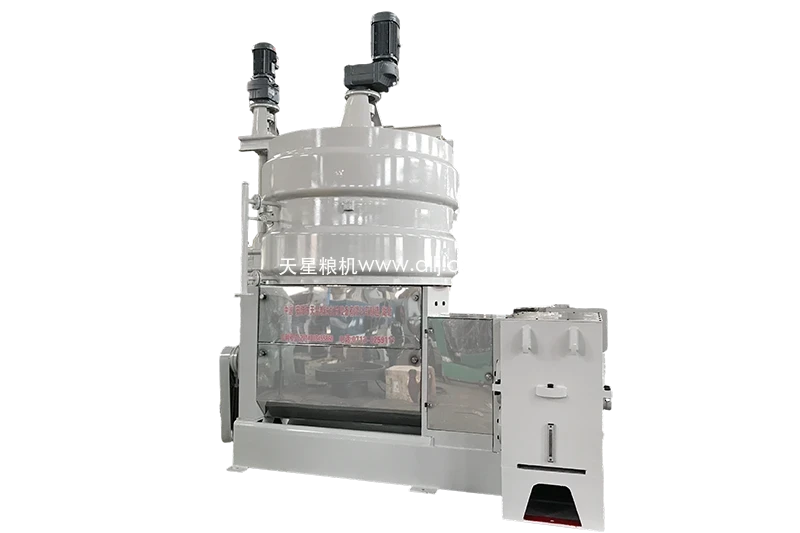
Creating Competitive Advantage with Innovative Oilseed Processing Equipment
Table of Contents
- Introduction to Oilseed Processing
- The Importance of Oilseed Processing Equipment
- Types of Oilseed Processing Equipment
- Innovative Technologies in Oilseed Processing
- Advantages of Using Advanced Equipment
- Best Practices for Oilseed Processing
- Sustainability in Oilseed Processing Equipment
- The Future of Oilseed Processing Technology
- Conclusion
- Frequently Asked Questions
Introduction to Oilseed Processing
Oilseed processing plays a crucial role in the agricultural sector, contributing significantly to the production of edible oils, animal feed, and various industrial products. With the growing demand for high-quality oilseeds, businesses must seek innovative processing equipment to enhance efficiency and maintain a competitive edge. In this article, we will explore the various types of oilseed processing equipment, recent technological advancements, and strategic practices that can help your business thrive in a competitive marketplace.
The Importance of Oilseed Processing Equipment
Investing in advanced oilseed processing equipment not only streamlines operations but also maximizes yield and product quality. As the global demand for plant-based oils continues to rise, it is essential for businesses to leverage innovative machinery that meets industry standards and consumer expectations. High-quality equipment ensures:
- **Efficient extraction** of oil from seeds, leading to higher production rates.
- **Improved product quality**, which meets stringent regulations and consumer preferences.
- **Reduced waste and energy consumption**, contributing to sustainability and cost-effectiveness.
By prioritizing top-notch oilseed processing equipment, companies can significantly improve their operational efficiency, meet market demands, and achieve higher profit margins.
Types of Oilseed Processing Equipment
The oilseed processing industry encompasses various equipment types, each designed to perform specific tasks within the oil extraction process. Understanding these types can aid businesses in selecting the right machinery to optimize their operations.
1. Seed Cleaning Equipment
Before oil extraction, seeds must be cleaned to remove impurities. Seed cleaning equipment includes:
- **Screens and air classifiers**: Used to separate debris and foreign materials from the seeds.
- **Magnetic separators**: Efficiently remove metal contaminants from the seed batch.
2. Oilseed Expellers
Oilseed expellers are mechanical devices used to extract oil from seeds. They are available in various designs, including:
- **Screw expellers**: Utilize a rotating screw to crush the seeds and extract oil efficiently.
- **Hydraulic presses**: Apply high pressure to seeds for oil extraction, resulting in higher quality oil.
3. Oil Refining Equipment
Post-extraction processes are vital for enhancing oil quality. Key refining equipment includes:
- **Degumming tanks**: Remove phospholipids and impurities from crude oil.
- **Bleaching systems**: Eliminate color and odor from the oil, improving its marketability.
- **Deodorizing units**: Use steam distillation to remove volatile compounds and odors.
4. Oil Packaging Machines
After processing, oils must be packaged for distribution. Automated packaging machines ensure:
- **Consistent filling volumes**: Reducing waste and ensuring uniform product quality.
- **Sealing and labeling**: Enhancing product presentation and compliance with regulations.
Innovative Technologies in Oilseed Processing
Technology is a driving force behind the advancements in oilseed processing equipment. Innovative solutions enhance efficiency, reduce costs, and improve product quality. Here are some notable technological developments:
1. Automation and IoT Integration
The integration of automation and the Internet of Things (IoT) in oilseed processing equipment allows for real-time monitoring and control of operations. This technology enables:
- **Data collection**: Providing insights into equipment performance and production metrics.
- **Remote management**: Allowing operators to control processes from anywhere, enhancing flexibility and responsiveness.
2. Advanced Filtration Systems
Innovative filtration technologies have emerged to improve oil purity and quality. These systems utilize:
- **Membrane filtration**: Offering higher efficiency in removing impurities compared to conventional methods.
- **Nanotechnology**: Enhancing filtration capabilities to produce superior-quality oil.
3. Energy-efficient Equipment
As sustainability becomes a priority, manufacturers are developing energy-efficient oilseed processing equipment. These innovations can lead to:
- **Reduced energy consumption**: Lowering operational costs and minimizing environmental impact.
- **Optimized production processes**: Ensuring higher yield with less energy input.
Advantages of Using Advanced Equipment
Investing in innovative oilseed processing equipment presents numerous advantages that can propel your business ahead of competitors:
1. Increased Yield
Advanced processing machinery is designed for maximum oil extraction efficiency, leading to higher yield per batch. This directly translates to increased profitability for businesses.
2. Enhanced Product Quality
Modern equipment often incorporates features that enhance the quality of the final product. For example, advanced refining processes ensure that the oil meets the highest standards for flavor, aroma, and safety.
3. Cost Reduction
Optimized processing efficiency reduces waste and energy consumption, leading to significant cost savings. This, in turn, allows businesses to allocate resources more effectively and improve their profit margins.
4. Competitive Edge
By utilizing the latest technology, businesses can distinguish themselves from competitors. Offering higher quality products and efficient services enhances brand reputation and customer loyalty.
Best Practices for Oilseed Processing
To maximize the benefits of innovative oilseed processing equipment, businesses should adopt best practices that ensure smooth operations and optimal results.
1. Regular Maintenance
Implementing a routine maintenance schedule for equipment helps to prevent breakdowns and prolongs the life of machinery. Regular checks and servicing can identify potential issues before they escalate.
2. Training and Development
Investing in employee training ensures that operators are well-versed in using advanced equipment. Proper training leads to safer operations, reduced errors, and higher productivity.
3. Quality Control Measures
Establishing stringent quality control protocols throughout the processing stages helps to maintain product consistency and safety. Regular testing and monitoring can catch issues early and ensure compliance with industry standards.
Sustainability in Oilseed Processing Equipment
In today's market, sustainability is crucial for long-term success. Businesses must adopt eco-friendly practices and technologies that minimize their environmental impact. Innovative oilseed processing equipment can significantly contribute to sustainability efforts through:
1. Waste Reduction
Investing in equipment designed to minimize waste and optimize resource utilization not only benefits the environment but also enhances profitability.
2. Energy Efficiency
Choosing equipment that adheres to energy-efficient standards reduces greenhouse gas emissions and conserves natural resources.
3. Sustainable Sourcing
Opting for suppliers who prioritize sustainability in their operations ensures that your oilseed processing practices align with eco-friendly principles.
The Future of Oilseed Processing Technology
The oilseed processing industry is continually evolving, driven by technological advancements and changing market demands. Future trends to watch include:
1. Enhanced Automation
As automation technologies continue to advance, we can expect even greater levels of precision, efficiency, and safety in oilseed processing operations.
2. Smart Equipment
Integration of AI and machine learning will likely lead to smarter equipment that can predict maintenance needs, optimize processing parameters, and improve overall efficiency.
3. Blockchain for Traceability
The implementation of blockchain technology can enhance traceability throughout the supply chain, allowing consumers to verify the origin and quality of oil products.
Conclusion
Investing in innovative oilseed processing equipment is essential for businesses looking to gain a competitive advantage in today's dynamic agricultural landscape. By understanding the types of equipment available, embracing technological advancements, and implementing best practices, you can optimize your operations, enhance product quality, and improve overall profitability. As the industry continues to evolve, staying ahead of the curve with sustainable and efficient practices will ensure your business remains a leader in oilseed processing.
Frequently Asked Questions
1. What types of oilseed processing equipment are essential for a processing facility?
Essential equipment includes seed cleaning machines, oilseed expellers, refining systems, and packaging machines.
2. How can innovative oilseed processing equipment improve oil quality?
Advanced equipment incorporates efficient extraction and refining technologies that enhance flavor, purity, and safety.
3. What role does automation play in oilseed processing?
Automation increases operational efficiency, reduces human error, and allows for real-time monitoring and control of processes.
4. How can businesses ensure sustainability in oilseed processing?
By investing in energy-efficient equipment, implementing waste reduction practices, and sourcing sustainably, businesses can minimize their environmental impact.
5. What are the benefits of regular maintenance of oilseed processing equipment?
Regular maintenance helps prevent breakdowns, extends the life of machinery, and ensures optimal operational efficiency.
