
Unlocking the Potential of Oil Pressing Machines: A Guide to Efficient Oil Extraction
2026/04/18
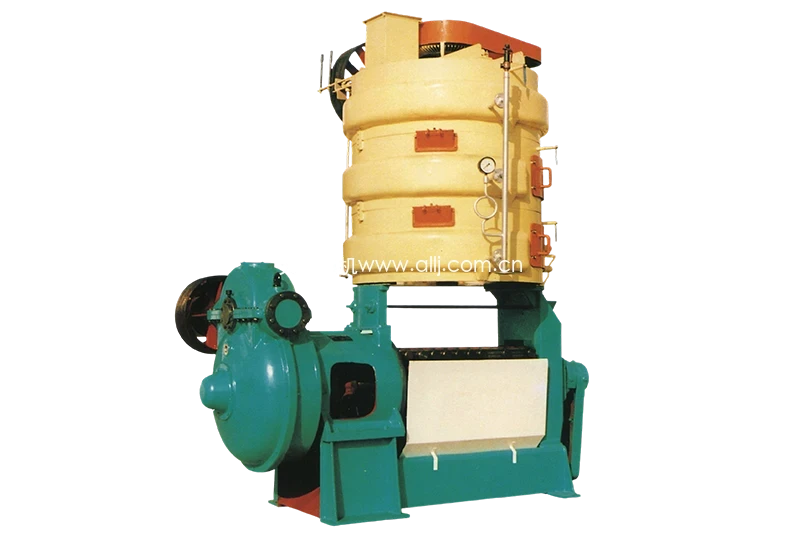
Oil pressing machines play a crucial role in the agricultural food industry, particularly in the sector of edible oil processing. These machines are designed to extract oil from various oilseeds, such as sunflower, soybean, and canola, efficiently and effectively. Understanding the mechanics and advantages of oil pressing machines can greatly benefit producers looking to maximize their output and improve the quality of their oil products.
At the core of an oil pressing machine is its mechanism, which generally involves two primary methods: cold pressing and hot pressing. Cold pressing involves extracting oil at lower temperatures, which helps preserve the flavor and nutritional profile of the oil. This method is especially favored for high-quality oils as it results in less oxidation and maintains the natural properties of the oilseeds. On the other hand, hot pressing uses heat to facilitate oil extraction, often resulting in higher yield but potentially compromising some quality aspects.
The efficiency of oil pressing machines can be influenced by several factors, including the type of oilseed being processed, the machine design, and the operational conditions. For instance, the quality of the seeds, their moisture content, and the pressing speed can all affect the oil yield. Therefore, it is crucial for operators to choose the right machine and settings tailored to the specific oilseeds they are working with.
An important consideration when investing in an oil pressing machine is the extraction rate, which is the amount of oil obtained from the seeds relative to their weight. A high extraction rate not only translates to better profitability but also indicates the machine's efficiency. Additionally, modern oil pressing machines are equipped with advanced features such as automatic temperature control, ensuring consistent quality in the oil extracted.
Maintenance and regular monitoring are vital for the longevity and efficiency of oil pressing machines. Keeping the machinery clean and ensuring that all components are functioning properly can prevent breakdowns and extend its service life. Moreover, understanding the operational guidelines and regularly calibrating the equipment can significantly contribute to maximizing efficiency and minimizing waste.
In conclusion, oil pressing machines are indispensable in the edible oil processing sector. By leveraging the right technology and practices, producers can enhance their operations, resulting in higher quality oil products and improved economic outcomes. As the demand for healthy and high-quality edible oils continues to rise, investing in efficient oil pressing technology becomes increasingly critical for success in the agriculture and food industry.
At the core of an oil pressing machine is its mechanism, which generally involves two primary methods: cold pressing and hot pressing. Cold pressing involves extracting oil at lower temperatures, which helps preserve the flavor and nutritional profile of the oil. This method is especially favored for high-quality oils as it results in less oxidation and maintains the natural properties of the oilseeds. On the other hand, hot pressing uses heat to facilitate oil extraction, often resulting in higher yield but potentially compromising some quality aspects.
The efficiency of oil pressing machines can be influenced by several factors, including the type of oilseed being processed, the machine design, and the operational conditions. For instance, the quality of the seeds, their moisture content, and the pressing speed can all affect the oil yield. Therefore, it is crucial for operators to choose the right machine and settings tailored to the specific oilseeds they are working with.
An important consideration when investing in an oil pressing machine is the extraction rate, which is the amount of oil obtained from the seeds relative to their weight. A high extraction rate not only translates to better profitability but also indicates the machine's efficiency. Additionally, modern oil pressing machines are equipped with advanced features such as automatic temperature control, ensuring consistent quality in the oil extracted.
Maintenance and regular monitoring are vital for the longevity and efficiency of oil pressing machines. Keeping the machinery clean and ensuring that all components are functioning properly can prevent breakdowns and extend its service life. Moreover, understanding the operational guidelines and regularly calibrating the equipment can significantly contribute to maximizing efficiency and minimizing waste.
In conclusion, oil pressing machines are indispensable in the edible oil processing sector. By leveraging the right technology and practices, producers can enhance their operations, resulting in higher quality oil products and improved economic outcomes. As the demand for healthy and high-quality edible oils continues to rise, investing in efficient oil pressing technology becomes increasingly critical for success in the agriculture and food industry.
oil pressing machine
