
The Future of Oil Production: Trends in Oilseed Processing Equipment
2026/05/15
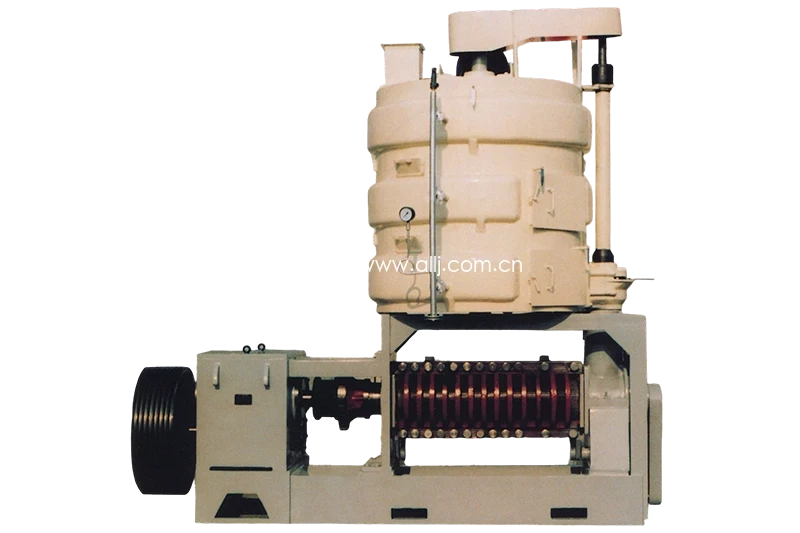
The Future of Oil Production: Trends in Oilseed Processing Equipment
Table of Contents
- 1. Introduction to Oilseed Processing
- 2. Importance of Oilseed Processing in Agriculture
- 3. Current Trends in Oilseed Processing Equipment
- 3.1 Automation and Technology Integration
- 3.2 Sustainable Practices in Oilseed Processing
- 3.3 Energy Efficiency and Resource Management
- 4. Future Directions for Oilseed Processing Equipment
- 5. Challenges Facing the Oilseed Processing Industry
- 6. Case Studies: Successful Implementations
- 7. Frequently Asked Questions
- 8. Conclusion
1. Introduction to Oilseed Processing
Oilseed processing plays a critical role in the agricultural industry, serving as a vital link between the cultivation of oilseeds and the production of edible oils. With the rising global demand for oil, understanding the trends in oilseed processing equipment is crucial for producers looking to increase efficiency, quality, and sustainability. This article delves into the latest advancements shaping the future of oil production, focusing on innovative processing technologies and practices.
2. Importance of Oilseed Processing in Agriculture
The significance of oilseed processing extends beyond mere production; it encompasses economic, environmental, and nutritional dimensions. As the world population continues to grow, so does the demand for vegetable oils, which are used in various applications, from cooking to cosmetics. Efficient oilseed processing ensures high-quality oil extraction while minimizing waste and environmental impact.
Moreover, the oilseed processing sector contributes significantly to local economies, providing jobs and supporting agricultural communities. As trends evolve, the adoption of advanced processing equipment becomes paramount for sustaining this essential industry.
3. Current Trends in Oilseed Processing Equipment
The landscape of oilseed processing is undergoing a transformation, driven by technological advancements and shifting consumer demands. Below, we explore the most prominent trends influencing oilseed processing equipment today.
3.1 Automation and Technology Integration
Automation in oilseed processing equipment is revolutionizing the way producers operate. By integrating advanced technologies such as Robotics Process Automation (RPA) and the Internet of Things (IoT), producers can streamline operations, reduce labor costs, and minimize human error. Automated systems can monitor oilseed quality, track production metrics, and optimize processing schedules, leading to increased productivity and consistency.
Furthermore, manufacturers are focusing on developing machinery that is user-friendly and requires minimal training to operate. This shift towards automation allows for faster scaling of production, enabling companies to respond promptly to market demands.
3.2 Sustainable Practices in Oilseed Processing
Sustainability is no longer just a buzzword; it is an essential consideration for modern oilseed processing facilities. Producers are increasingly adopting eco-friendly practices to reduce their carbon footprint and conserve resources. This includes the use of biodegradable lubricants, energy-efficient machinery, and waste recycling processes.
Innovations such as cold pressing techniques are gaining traction, as they extract oil without the need for harmful solvents, preserving the oil's natural nutrients. Additionally, implementing closed-loop systems allows producers to reuse water and energy, further enhancing sustainability efforts.
3.3 Energy Efficiency and Resource Management
As energy costs rise, the oilseed processing sector is prioritizing energy efficiency in its operations. New equipment designs focus on maximizing energy use while minimizing waste. Technologies such as heat recovery systems help capture and reuse energy that would otherwise be lost.
Producers are also exploring alternative energy sources, including solar and wind power, to reduce reliance on fossil fuels. By investing in energy-efficient technologies, oilseed processors not only cut costs but also align with global sustainability goals.
4. Future Directions for Oilseed Processing Equipment
Looking ahead, the future of oilseed processing equipment is poised for exciting developments. These advancements will further refine production processes and enhance product quality.
4.1 The Rise of Smart Machines
Smart machines equipped with artificial intelligence (AI) and machine learning algorithms are set to revolutionize oilseed processing. These machines can analyze vast amounts of data instantaneously, allowing for real-time adjustments to processing parameters. For instance, they can detect variations in oilseed quality and adjust extraction methods accordingly, ensuring optimal yield.
Moreover, predictive maintenance enabled by smart technology can significantly reduce downtime. By analyzing equipment performance data, producers can anticipate failures before they occur, resulting in smoother operations and cost savings.
4.2 Biotechnology in Oil Production
Biotechnology is making waves in the oilseed processing sector, with research focusing on genetically modified crops that yield higher oil content or have enhanced resistance to pests and diseases. These innovations can lead to more efficient production processes and lower costs.
Additionally, advancements in enzymatic extraction methods are enabling producers to extract oil more effectively while preserving the oil's quality. This bioprocessing approach not only enhances yield but also aligns with consumer preferences for natural and minimally processed products.
5. Challenges Facing the Oilseed Processing Industry
Despite the promising trends and advancements, the oilseed processing industry faces several challenges. These include fluctuating commodity prices, regulatory pressures, and the need for continuous innovation in response to changing consumer preferences.
Maintaining sustainability while meeting production demands can also pose a dilemma for many producers. The challenge lies in balancing profitability with environmental responsibility. To navigate these challenges, staying informed about industry trends and investing in new technologies will be crucial for success.
6. Case Studies: Successful Implementations
Examining successful implementations of oilseed processing equipment can provide valuable insights into best practices. For instance, Company A adopted automated extraction systems that resulted in a 25% increase in productivity and reduced labor costs by 30%.
Similarly, Company B integrated sustainability practices into its operations by investing in energy-efficient machinery, resulting in significant cost savings and a reduced carbon footprint. These case studies demonstrate how embracing innovation and sustainability can lead to substantial improvements in the oilseed processing sector.
7. Frequently Asked Questions
1. What is oilseed processing?
Oilseed processing involves the extraction of oil from seeds, which can be used for cooking, biodiesel, and other applications. It encompasses several steps, including cleaning, crushing, and refining.
2. How has technology impacted oilseed processing?
Technology has significantly enhanced oilseed processing through automation, improved efficiency, and better quality control. Smart machines and data analytics are transforming production methods.
3. What are the benefits of sustainable oilseed processing?
Sustainable practices reduce environmental impact, improve resource efficiency, and can lead to cost savings. Consumers increasingly prefer sustainably produced oils, enhancing marketability.
4. What trends are shaping the future of oilseed processing?
Key trends include automation, sustainability, and advancements in biotechnology. These trends are driving efficiency and quality in oil production.
5. How can companies overcome challenges in the oilseed processing industry?
To overcome challenges, companies should invest in new technologies, stay informed of market trends, and prioritize sustainability. Continuous innovation is essential for staying competitive.
8. Conclusion
The future of oil production is bright, driven by innovative trends in oilseed processing equipment. As technology advances and sustainability becomes a priority, the industry is poised for significant growth. By embracing automation, integrating smart technologies, and adopting sustainable practices, producers can enhance efficiency and quality while addressing the challenges of a dynamic market. Staying ahead in this evolving landscape will require a commitment to innovation and a focus on meeting the needs of consumers and the environment alike.
