
Maximizing Efficiency in Oil Extraction: A Comprehensive Guide to Oil Pressing Machines
2026/05/18
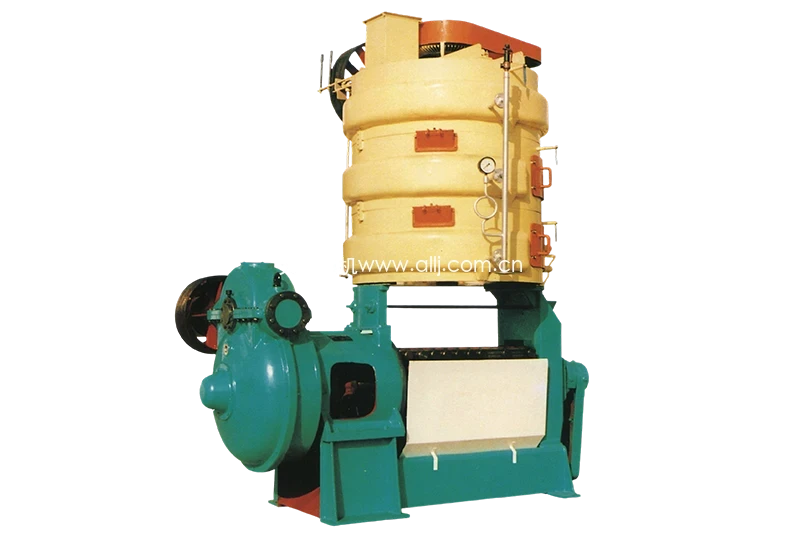
The oil pressing machine plays a pivotal role in the extraction of edible oils from various seeds and nuts. Understanding the intricacies of these machines can significantly impact the efficiency of oil production, as well as the quality of the final product. In this article, we will explore the types of oil pressing machines, their operational principles, and key factors influencing their performance.
There are primarily two types of oil pressing machines: cold pressing and hot pressing. Cold pressing involves extracting oil from seeds without applying heat, which helps retain the natural flavors and nutritional value of the oil. This method is often preferred for high-quality oils, such as extra virgin olive oil. On the other hand, hot pressing utilizes heat to increase oil yield, making it suitable for larger-scale production despite potentially altering the oil's flavor and nutritional content. Understanding the differences between these methods is crucial for selecting the appropriate machine based on the desired end product.
The operation of an oil pressing machine typically involves a series of processes, including cleaning, conditioning, and pressing. Initially, raw seeds are cleaned to remove impurities. Next, conditioning involves adjusting the moisture and temperature of the seeds to optimize oil extraction. Finally, the pressing stage utilizes mechanical pressure to extract oil from the conditioned seeds. Various designs of pressing mechanisms, such as screw presses and hydraulic presses, can affect the efficiency and yield of the extraction process.
Several factors influence the performance of oil pressing machines. These include the quality of the raw materials, the moisture content, and the pressing temperature. For instance, seeds with high oil content and low moisture levels yield more oil. Additionally, maintaining optimal temperature during pressing can prevent the degradation of oil quality. Regular maintenance and calibration of the pressing equipment are also critical to ensuring consistent output and minimizing downtime.
Investing in advanced oil pressing machines equipped with modern technology can significantly enhance production efficiency. Features such as automated feeding systems, temperature control, and advanced filtration systems can streamline operations, reduce labor costs, and improve product quality.
In conclusion, oil pressing machines are integral to the edible oil processing industry. By understanding the types, operational principles, and key influencing factors, agricultural professionals can make informed decisions that enhance their oil extraction processes. Prioritizing quality, efficiency, and technology will lead to superior oil products that meet market demands.
There are primarily two types of oil pressing machines: cold pressing and hot pressing. Cold pressing involves extracting oil from seeds without applying heat, which helps retain the natural flavors and nutritional value of the oil. This method is often preferred for high-quality oils, such as extra virgin olive oil. On the other hand, hot pressing utilizes heat to increase oil yield, making it suitable for larger-scale production despite potentially altering the oil's flavor and nutritional content. Understanding the differences between these methods is crucial for selecting the appropriate machine based on the desired end product.
The operation of an oil pressing machine typically involves a series of processes, including cleaning, conditioning, and pressing. Initially, raw seeds are cleaned to remove impurities. Next, conditioning involves adjusting the moisture and temperature of the seeds to optimize oil extraction. Finally, the pressing stage utilizes mechanical pressure to extract oil from the conditioned seeds. Various designs of pressing mechanisms, such as screw presses and hydraulic presses, can affect the efficiency and yield of the extraction process.
Several factors influence the performance of oil pressing machines. These include the quality of the raw materials, the moisture content, and the pressing temperature. For instance, seeds with high oil content and low moisture levels yield more oil. Additionally, maintaining optimal temperature during pressing can prevent the degradation of oil quality. Regular maintenance and calibration of the pressing equipment are also critical to ensuring consistent output and minimizing downtime.
Investing in advanced oil pressing machines equipped with modern technology can significantly enhance production efficiency. Features such as automated feeding systems, temperature control, and advanced filtration systems can streamline operations, reduce labor costs, and improve product quality.
In conclusion, oil pressing machines are integral to the edible oil processing industry. By understanding the types, operational principles, and key influencing factors, agricultural professionals can make informed decisions that enhance their oil extraction processes. Prioritizing quality, efficiency, and technology will lead to superior oil products that meet market demands.
oil pressing machine
