
The Benefits of Modular Oilseed Processing Equipment: A Comprehensive Guide
2026/07/19
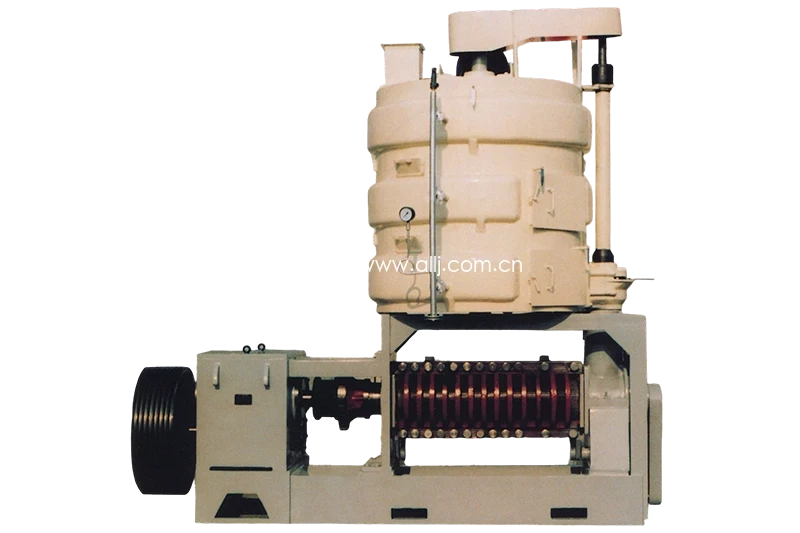
The Benefits of Modular Oilseed Processing Equipment
Introduction to Modular Oilseed Processing
In the highly competitive realm of agriculture, efficiency and adaptability play crucial roles in determining overall success. **Modular oilseed processing equipment** has emerged as a game-changer for producers involved in oil extraction and processing. This innovative approach allows agricultural businesses to optimize their operations, offering a range of benefits that enhance productivity, cost-effectiveness, and product quality.
What is Modular Oilseed Processing Equipment?
Modular oilseed processing equipment refers to a **flexible and scalable system** designed for the extraction and refinement of oil from various oilseeds, including soybeans, canola, sunflower, and more. Unlike traditional processing systems, modular setups consist of individual, interconnected processing units that can be customized and expanded based on specific operational needs.
Key Components of Modular Oilseed Processing Equipment
Understanding the structure of modular equipment is essential for appreciating its benefits. Key components typically include:
- **Seed Pre-treatment Units**: Essential for cleaning and conditioning oilseeds before extraction.
- **Oil Extraction Units**: Utilizing methods such as solvent extraction or mechanical pressing.
- **Refining Systems**: For degumming, neutralizing, bleaching, and deodorizing extracted oil.
- **Storage Solutions**: To store both raw materials and finished products efficiently.
Benefits of Modular Oilseed Processing Equipment
The advantages of modular oilseed processing equipment are extensive. Below, we explore the most significant benefits in detail.
1. Enhanced Flexibility and Scalability
One of the standout features of modular equipment is its **flexibility**. Producers can easily adapt their systems to meet fluctuating demand or switch between different oilseeds. Furthermore, as business expands, additional modules can be integrated into the existing setup without extensive overhauls, facilitating **scalability**. This ensures that companies can grow without being constrained by their processing capabilities.
2. Improved Efficiency and Reduced Downtime
Modular systems are designed for optimal performance. Each unit in a modular setup is engineered to operate at peak efficiency, significantly reducing **downtime** associated with traditional systems. With the ability to perform maintenance on individual modules without halting the entire operation, producers can expect enhanced productivity and operational continuity.
3. Cost-Effectiveness and Resource Optimization
Investing in modular oilseed processing equipment can lead to long-term cost savings. The **modular design** allows for the use of smaller, more efficient machines that consume less energy and require fewer resources. Additionally, the ability to add only the necessary modules means lower initial capital expenditure and reduced financial risk.
4. Higher Quality Oil Production
Quality is paramount in oil production. Modular systems can be tailored to optimize the extraction and refining processes, resulting in higher yields of **premium quality oil**. Enhanced control over each stage of production ensures that the final product meets stringent quality standards, thus appealing to a broader market.
5. Streamlined Operations and Workflow Integration
Integrating modular equipment into existing workflows can streamline operations significantly. Each processing unit can be optimized for its specific function, leading to a more organized and efficient production line. With better workflow integration, companies can improve their overall operational performance.
Case Studies: Real-World Applications of Modular Oilseed Processing Equipment
To highlight the practical benefits of modular oilseed processing equipment, we can examine a few case studies that illustrate its impact on production efficiency and profitability.
Case Study 1: A Mid-Sized Canola Oil Producer
A mid-sized canola oil producer implemented modular processing equipment to replace their outdated, traditional system. As a result, they experienced a **30% increase in oil extraction efficiency** and a **25% reduction in energy consumption**. The flexibility of the modular system allowed them to quickly switch to processing different seeds, which proved invaluable during fluctuating market demands.
Case Study 2: A Large Soybean Processing Facility
A large soybean processing facility integrated modular equipment to accommodate growing production needs. They expanded their processing capacity by adding new modules, reducing the need for significant capital investment. The facility reported **20% higher profit margins** due to lower operational costs and higher-quality oil products.
Choosing the Right Modular Oilseed Processing Equipment
Selecting the right equipment is crucial for reaping the benefits of modular oilseed processing. Here are some factors to consider:
1. Assessing Production Needs
Evaluate your production goals, the types of oilseeds you plan to process, and the expected volume. This will help you choose the right configuration of modules.
2. Quality and Reliability of Equipment
Look for manufacturers known for producing high-quality, reliable equipment. Research customer reviews and seek recommendations from industry peers.
3. Customization Options
Ensure the modular equipment can be customized to meet specific operational needs. This includes the ability to add or remove modules as production demands change.
4. Support and Service
Choose a supplier that offers comprehensive after-sales support, including maintenance services and technical assistance.
FAQs About Modular Oilseed Processing Equipment
1. What is the primary advantage of modular oilseed processing equipment over traditional setups?
Modular equipment offers flexibility, scalability, and efficiency, allowing producers to adapt to changing market demands without extensive capital investment.
2. Can modular systems handle different types of oilseeds?
Yes, modular oilseed processing equipment is designed to be versatile, enabling producers to switch between various oilseeds with minimal adjustments.
3. How does modular equipment improve oil quality?
The modular design allows for optimized processes at each stage of production, leading to higher yields and better quality oil.
4. What is the typical return on investment for modular oilseed processing equipment?
While ROI varies based on specific circumstances, producers often see significant cost savings and increased profitability within the first few years of operation.
5. How can I determine the right size of modular equipment for my needs?
Assess your production volume and operational goals. Consulting with equipment manufacturers can provide tailored recommendations based on your specific requirements.
Conclusion
In conclusion, **modular oilseed processing equipment** presents a plethora of benefits that can transform agricultural operations. From improved efficiency to enhanced oil quality, the modular approach not only addresses the current demands of the market but also positions producers for future growth. By choosing the right equipment and customizing it to fit specific needs, agricultural businesses can maximize their output, reduce costs, and enhance their competitive edge. As the industry continues to evolve, embracing modular technology will undoubtedly be a key factor in achieving sustained success in oilseed processing.
