
Unlocking the Secrets of Oil Pressing Machines: A Comprehensive Guide for Professionals
2026/07/24
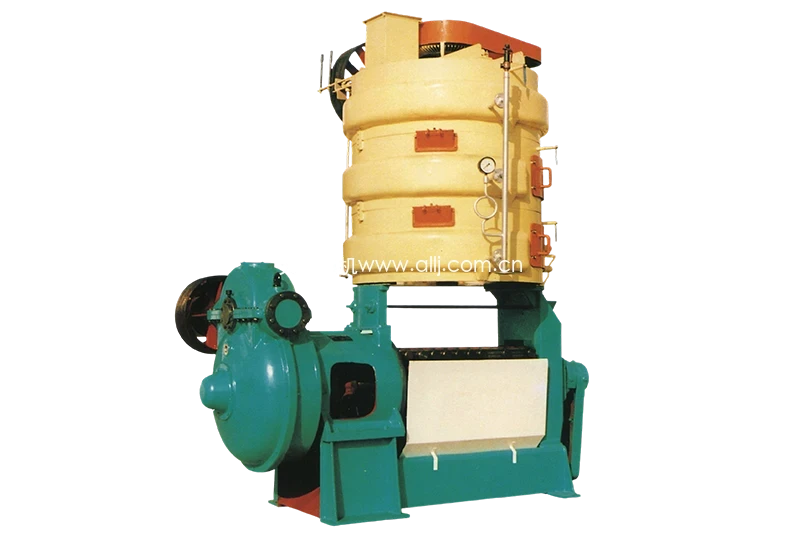
Oil pressing machines play a pivotal role in the agricultural sector, particularly in the edible oil processing industry. These machines are designed to extract oil from various oilseeds such as soybeans, sunflowers, and canola, among others. Understanding the mechanics and applications of oil pressing machines is crucial for anyone involved in food production, as these devices directly impact efficiency, oil yield, and product quality.
The operation of an oil pressing machine typically involves two primary methods: cold pressing and hot pressing. Cold pressing is a process that extracts oil at lower temperatures, which helps preserve the natural flavor, color, and nutritional value of the oil. This method is preferred when quality is paramount, as it maintains the integrity of sensitive compounds. Conversely, hot pressing involves heating the seeds before extraction, which can increase oil yield but may alter some nutritional properties. Each method has its advantages, and the choice depends on the desired oil characteristics and market demand.
When selecting an oil pressing machine, it's essential to consider factors such as capacity, efficiency, and the type of oilseed to be processed. Capacity refers to the amount of oil that can be extracted in a given time, which can vary widely among machines. For businesses aiming for high production levels, selecting a machine with a larger capacity can significantly enhance operational efficiency. Additionally, efficiency metrics, such as oil extraction rate and energy consumption, should be closely evaluated to ensure optimal performance.
Technological advancements have also led to the development of more sophisticated oil pressing machines that incorporate automation and control systems. These modern machines offer enhanced features such as automatic temperature regulation, which can help in maintaining the ideal conditions for oil extraction. Furthermore, the integration of monitoring systems allows for real-time tracking of the pressing process, ensuring that potential issues can be addressed promptly.
Maintenance is another critical aspect of ensuring the longevity and efficiency of oil pressing machines. Regular cleaning and servicing can prevent breakdowns and sustain optimal performance levels. Operators should be trained in proper maintenance procedures to maximize the lifespan of the equipment and maintain the quality of the extracted oil.
In conclusion, oil pressing machines are indispensable in the edible oil processing industry, providing both efficiency and quality in oil extraction. Professionals in the agricultural sector should take the time to understand the different types of machines, their operational methods, and maintenance practices to optimize their production processes and meet market demands effectively. By staying informed about advancements in technology and best practices, businesses can position themselves competitively in the ever-evolving agricultural landscape.
The operation of an oil pressing machine typically involves two primary methods: cold pressing and hot pressing. Cold pressing is a process that extracts oil at lower temperatures, which helps preserve the natural flavor, color, and nutritional value of the oil. This method is preferred when quality is paramount, as it maintains the integrity of sensitive compounds. Conversely, hot pressing involves heating the seeds before extraction, which can increase oil yield but may alter some nutritional properties. Each method has its advantages, and the choice depends on the desired oil characteristics and market demand.
When selecting an oil pressing machine, it's essential to consider factors such as capacity, efficiency, and the type of oilseed to be processed. Capacity refers to the amount of oil that can be extracted in a given time, which can vary widely among machines. For businesses aiming for high production levels, selecting a machine with a larger capacity can significantly enhance operational efficiency. Additionally, efficiency metrics, such as oil extraction rate and energy consumption, should be closely evaluated to ensure optimal performance.
Technological advancements have also led to the development of more sophisticated oil pressing machines that incorporate automation and control systems. These modern machines offer enhanced features such as automatic temperature regulation, which can help in maintaining the ideal conditions for oil extraction. Furthermore, the integration of monitoring systems allows for real-time tracking of the pressing process, ensuring that potential issues can be addressed promptly.
Maintenance is another critical aspect of ensuring the longevity and efficiency of oil pressing machines. Regular cleaning and servicing can prevent breakdowns and sustain optimal performance levels. Operators should be trained in proper maintenance procedures to maximize the lifespan of the equipment and maintain the quality of the extracted oil.
In conclusion, oil pressing machines are indispensable in the edible oil processing industry, providing both efficiency and quality in oil extraction. Professionals in the agricultural sector should take the time to understand the different types of machines, their operational methods, and maintenance practices to optimize their production processes and meet market demands effectively. By staying informed about advancements in technology and best practices, businesses can position themselves competitively in the ever-evolving agricultural landscape.
