
How to Effectively Evaluate the Performance of Your Oilseed Processing Equipment
2026/09/07
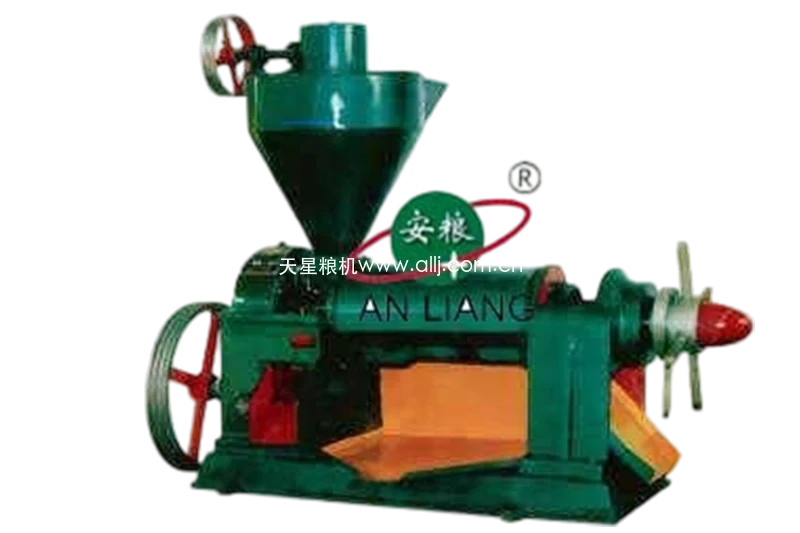
How to Effectively Evaluate the Performance of Your Oilseed Processing Equipment
Table of Contents
- Introduction
- The Importance of Performance Evaluation in Oilseed Processing
- Key Performance Indicators (KPIs) for Oilseed Processing Equipment
- Evaluating Oil Extraction Efficiency
- Assessing Energy Consumption and Cost
- Monitoring Equipment Downtime and Maintenance
- Conducting a Cost-Benefit Analysis
- Implementing Performance Improvement Strategies
- Future Trends in Oilseed Processing Equipment
- FAQs
- Conclusion
Introduction
In the competitive landscape of agricultural production, the efficiency and effectiveness of your oilseed processing equipment can significantly influence your bottom line. As oilseed processors, we must prioritize evaluating the performance of our machinery to ensure optimal production and quality. Reliable equipment is the backbone of any successful operation, facilitating not only economic gains but also consistency in product quality.
This article serves as a comprehensive guide aimed at equipping you with the knowledge needed to assess and enhance your oilseed processing equipment's performance effectively. From understanding critical performance indicators to implementing actionable strategies, we dive deep into the essentials of performance evaluation.
The Importance of Performance Evaluation in Oilseed Processing
Performance evaluation is not merely a routine task; it is a strategic necessity. By regularly assessing your oilseed processing equipment, you can:
- **Identify inefficiencies**: Recognize problems before they escalate into costly breakdowns.
- **Maximize productivity**: Ensure that your equipment operates at peak efficiency, leading to increased output.
- **Enhance product quality**: Maintain high standards by monitoring processes and making necessary adjustments.
- **Optimize resource use**: Minimize waste and reduce energy consumption, thus lowering operational costs.
Understanding the significance of performance evaluation is the first step towards creating a more efficient and profitable processing operation.
Key Performance Indicators (KPIs) for Oilseed Processing Equipment
To effectively evaluate the performance of your oilseed processing equipment, it is crucial to establish relevant Key Performance Indicators (KPIs). Here are some essential KPIs to consider:
1. Oil Extraction Rate
The oil extraction rate measures the amount of oil extracted from the oilseeds relative to the total weight of the seeds processed. A higher extraction rate indicates better performance.
2. Energy Efficiency
Energy efficiency assesses the amount of energy consumed per unit of oil produced. This KPI helps identify whether your equipment operates within optimal energy parameters.
3. Downtime
Downtime refers to the period when the equipment is not operational due to maintenance, repairs, or other issues. Monitoring this KPI helps identify patterns that could hinder productivity.
4. Maintenance Costs
Evaluating maintenance costs provides insight into the reliability of your equipment and whether it requires frequent repairs. High maintenance costs may indicate the need for equipment replacement or upgrades.
5. Throughput
Throughput measures the amount of oilseed processed within a specific timeframe. This KPI helps determine the overall productivity of your equipment.
By focusing on these KPIs, you can gain valuable insights into the performance and efficiency of your oilseed processing equipment.
Evaluating Oil Extraction Efficiency
Oil extraction efficiency is one of the most critical metrics to assess. It involves examining how effectively your equipment is converting raw oilseeds into oil. To evaluate this aspect, consider the following steps:
1. Calculate Extraction Percentage
To determine extraction efficiency, calculate the percentage of oil extracted from the total oil content of the seeds processed. This can be expressed using the formula:
**Extraction Percentage (%) = (Total Oil Extracted / Total Oil Content of Seeds) x 100**
A higher percentage signifies better extraction efficiency.
2. Analyze Seed Quality
The quality of oilseeds plays a significant role in extraction efficiency. Ensure that the seeds are free from contaminants and meet quality standards, as poor-quality seeds can lead to lower oil yields.
3. Monitor Processing Parameters
Pay attention to processing parameters such as temperature, pressure, and moisture content. These factors significantly influence the extraction efficiency. Regularly adjusting these parameters can help optimize oil yield.
Assessing Energy Consumption and Cost
Energy consumption directly impacts the operational costs of oilseed processing. To achieve cost efficiency, we must assess energy use in several ways:
1. Track Energy Consumption
Implement advanced monitoring systems to track energy consumption in real time. This data will help identify excessive energy use and pinpoint inefficiencies.
2. Calculate Cost Per Unit of Oil
Calculate the cost of energy consumed per unit of oil produced. This metric aids in understanding the financial impact of energy efficiency on your overall profitability.
3. Invest in Energy-Efficient Equipment
Consider upgrading to energy-efficient machines that have lower operational costs. Investing in modern technology can yield long-term savings and enhance productivity.
Monitoring Equipment Downtime and Maintenance
Downtime can severely hinder production capabilities. Monitoring and managing downtime is essential for maintaining efficient operations:
1. Implement a Maintenance Schedule
Establish a routine maintenance schedule to prevent unexpected breakdowns. Regular checks can help identify potential issues before they lead to significant downtime.
2. Analyze Downtime Events
Keep a record of downtime events, including the reasons and duration. Analyzing these events can uncover patterns and help develop strategies to minimize downtime in the future.
3. Train Staff
Properly train staff in equipment handling and maintenance. A well-trained team can quickly identify and resolve minor issues before they escalate.
Conducting a Cost-Benefit Analysis
A cost-benefit analysis is crucial for understanding the financial implications of equipment performance and investments. Here's how to approach this analysis:
1. Identify Costs
List all costs associated with running your oilseed processing equipment, including maintenance, energy consumption, and labor.
2. Quantify Benefits
Determine the revenue generated by the oil produced. Consider factors like market price fluctuations and demand trends to assess potential earnings.
3. Compare Costs and Benefits
Evaluate whether the benefits outweigh the costs. A positive outcome may justify investing in upgrades or efficiency improvements.
Implementing Performance Improvement Strategies
After evaluating performance, it's essential to implement strategies for improvement:
1. Upgrade Equipment
Invest in modern, high-efficiency oilseed processing equipment that offers enhanced performance and lower operating costs.
2. Optimize Workflow
Reassess your entire processing workflow. Streamlining processes can reduce bottlenecks and lead to improved efficiency.
3. Continuous Training
Encourage continuous training and development for your staff. Well-informed employees can contribute significantly to performance optimization.
Future Trends in Oilseed Processing Equipment
As technology advances, the oilseed processing industry is poised for transformation. Here are some future trends to watch:
1. Automation and AI
Automation and artificial intelligence are revolutionizing oilseed processing. These technologies can enhance efficiency and reduce human error.
2. Sustainable Practices
The push for sustainability is leading to innovations in eco-friendly processing techniques. Investing in green technologies can improve your brand’s reputation and satisfy consumer demand.
3. Data-Driven Decision Making
The rise of data analytics allows processors to make informed decisions based on real-time performance metrics. Utilizing data can lead to more effective and efficient operational strategies.
FAQs
1. What are the primary indicators of oilseed processing equipment performance?
The primary indicators include oil extraction rate, energy efficiency, downtime, maintenance costs, and throughput.
2. How often should I evaluate my oilseed processing equipment?
Regular evaluations should be conducted quarterly, with more thorough assessments annually.
3. What steps can I take to improve oil extraction efficiency?
To improve efficiency, focus on seed quality, monitor processing parameters, and regularly maintain your equipment.
4. How can I reduce energy costs in oilseed processing?
Track energy consumption, calculate cost per unit of oil, and invest in energy-efficient equipment to lower energy costs.
5. Why is downtime management crucial in oilseed processing?
Downtime management is vital as it directly impacts productivity and profitability. Frequent downtime can lead to significant financial losses.
Conclusion
Evaluating the performance of oilseed processing equipment is a multifaceted endeavor that requires a strategic approach. By focusing on key performance indicators, assessing energy consumption, and continuously seeking improvement, we can enhance the efficiency and profitability of our operations. In a rapidly evolving industry, staying informed about technological advancements and implementing innovative practices will ensure that we remain competitive. By prioritizing performance evaluation, we not only improve our processes but also contribute to a sustainable and prosperous agricultural sector.
Previous:
