
The Essential Guide to Oil Pressing Machines: Unlocking the Secrets of Edible Oil Production
2026/09/12
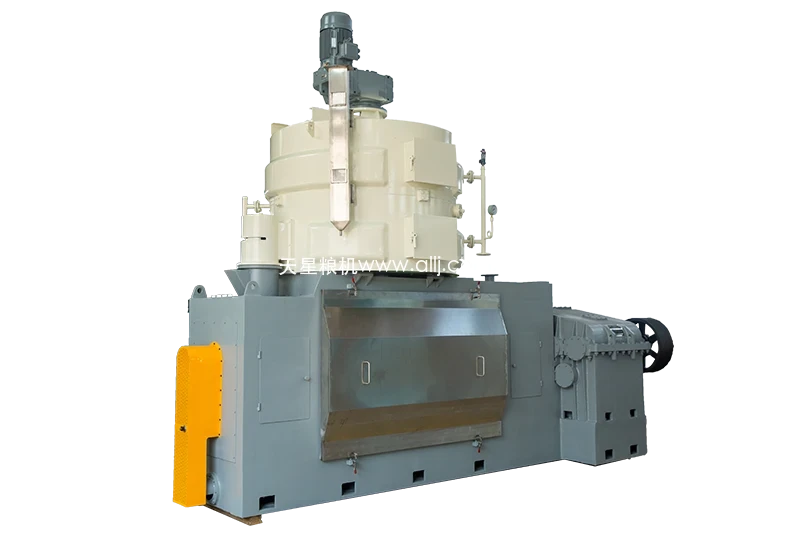
Oil pressing machines are a cornerstone in the agriculture and food industry, particularly in the realm of edible oil production. These machines facilitate the extraction of oil from various seeds and nuts, allowing for the creation of high-quality edible oils used in cooking, food processing, and various other applications. Understanding the different types of oil pressing machines and their functionalities can significantly enhance your operations and output.
At the heart of any oil pressing process is the mechanism that extracts oil from raw materials. There are two primary methods for extracting oil: cold pressing and hot pressing. Cold pressing involves extracting oil without applying heat, preserving the natural flavor and nutritional value of the oil. This method is particularly popular for oils such as olive, sesame, and flaxseed. On the other hand, hot pressing involves heating the seeds before extraction, which can lead to a higher yield but may affect the oil's taste and nutritional components.
When considering the purchase of an oil pressing machine, several factors come into play. First, assess your production needs. The size and capacity of the machine must align with the volume of oil you intend to produce. Small-scale producers may benefit from compact machines designed for home or small business use, while larger operations might require industrial-sized equipment capable of processing significant quantities of seeds.
Another critical aspect is the machine's efficiency and ease of use. A good oil pressing machine should be user-friendly and equipped with features that facilitate quick setup, operation, and cleaning. This not only saves time but also enhances productivity. Look for machines that come with clear instructions and support, as this can significantly reduce the learning curve for new operators.
Maintenance is another vital consideration. Regular upkeep ensures that the oil pressing machine operates at peak efficiency and prolongs its lifespan. Familiarize yourself with the maintenance requirements, such as periodic cleaning, lubrication of moving parts, and checking for wear and tear.
Finally, consider the versatility of the machine. Some oil pressing machines are designed to work with a variety of seeds, while others may be specific to certain types. A versatile machine allows you to expand your product offerings in the future, adapting to market demands and consumer preferences.
In conclusion, investing in an oil pressing machine can be a game-changer for your edible oil production venture. By understanding the types, functionality, and essential considerations involved in choosing the right equipment, you can optimize your operations and produce high-quality oils that meet consumer demands. Whether you're a small-scale producer or planning for a larger operation, these insights will guide you in making informed decisions in the world of oil extraction.
At the heart of any oil pressing process is the mechanism that extracts oil from raw materials. There are two primary methods for extracting oil: cold pressing and hot pressing. Cold pressing involves extracting oil without applying heat, preserving the natural flavor and nutritional value of the oil. This method is particularly popular for oils such as olive, sesame, and flaxseed. On the other hand, hot pressing involves heating the seeds before extraction, which can lead to a higher yield but may affect the oil's taste and nutritional components.
When considering the purchase of an oil pressing machine, several factors come into play. First, assess your production needs. The size and capacity of the machine must align with the volume of oil you intend to produce. Small-scale producers may benefit from compact machines designed for home or small business use, while larger operations might require industrial-sized equipment capable of processing significant quantities of seeds.
Another critical aspect is the machine's efficiency and ease of use. A good oil pressing machine should be user-friendly and equipped with features that facilitate quick setup, operation, and cleaning. This not only saves time but also enhances productivity. Look for machines that come with clear instructions and support, as this can significantly reduce the learning curve for new operators.
Maintenance is another vital consideration. Regular upkeep ensures that the oil pressing machine operates at peak efficiency and prolongs its lifespan. Familiarize yourself with the maintenance requirements, such as periodic cleaning, lubrication of moving parts, and checking for wear and tear.
Finally, consider the versatility of the machine. Some oil pressing machines are designed to work with a variety of seeds, while others may be specific to certain types. A versatile machine allows you to expand your product offerings in the future, adapting to market demands and consumer preferences.
In conclusion, investing in an oil pressing machine can be a game-changer for your edible oil production venture. By understanding the types, functionality, and essential considerations involved in choosing the right equipment, you can optimize your operations and produce high-quality oils that meet consumer demands. Whether you're a small-scale producer or planning for a larger operation, these insights will guide you in making informed decisions in the world of oil extraction.
Previous:
