
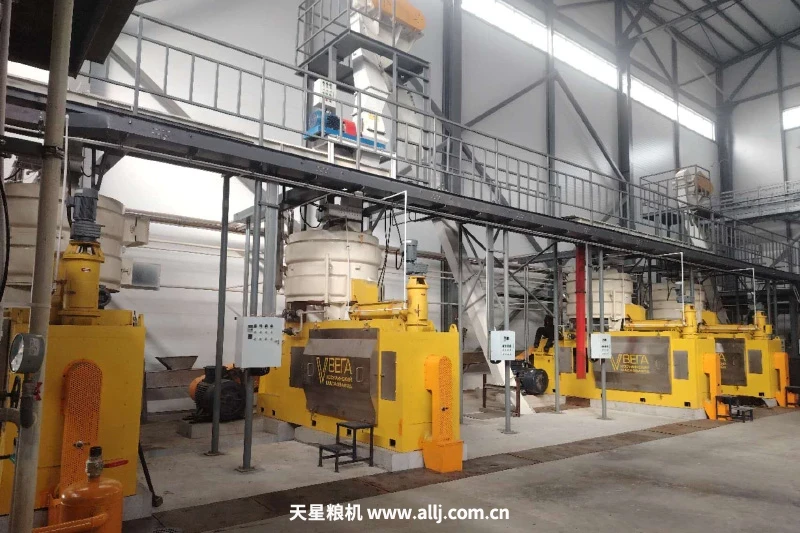
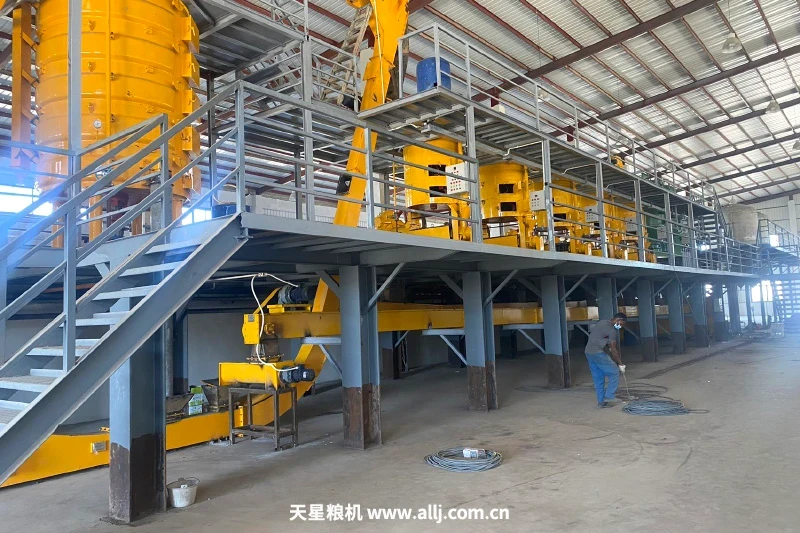
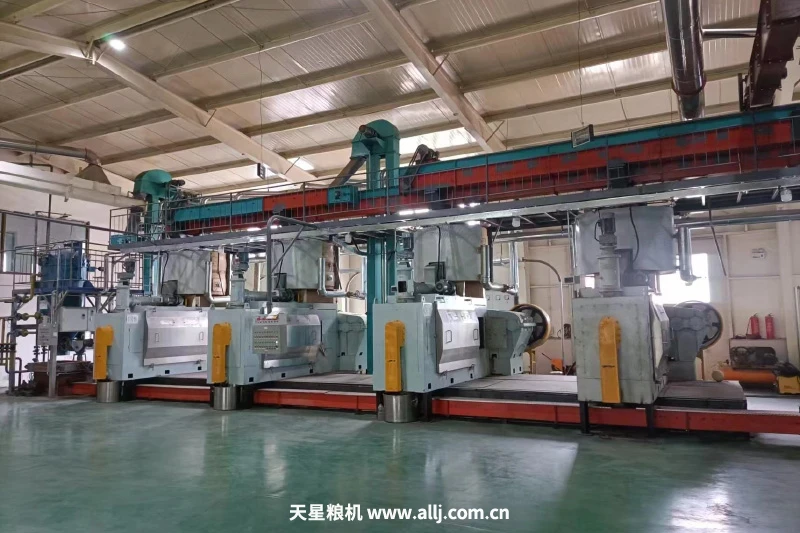
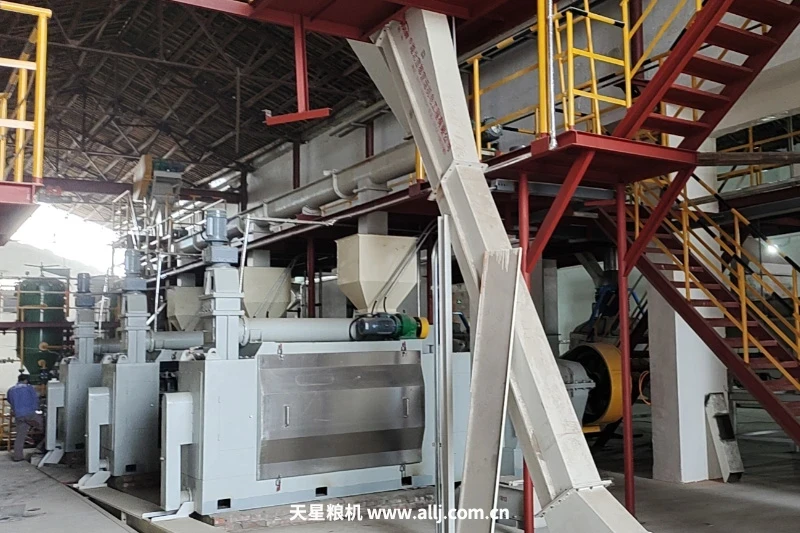
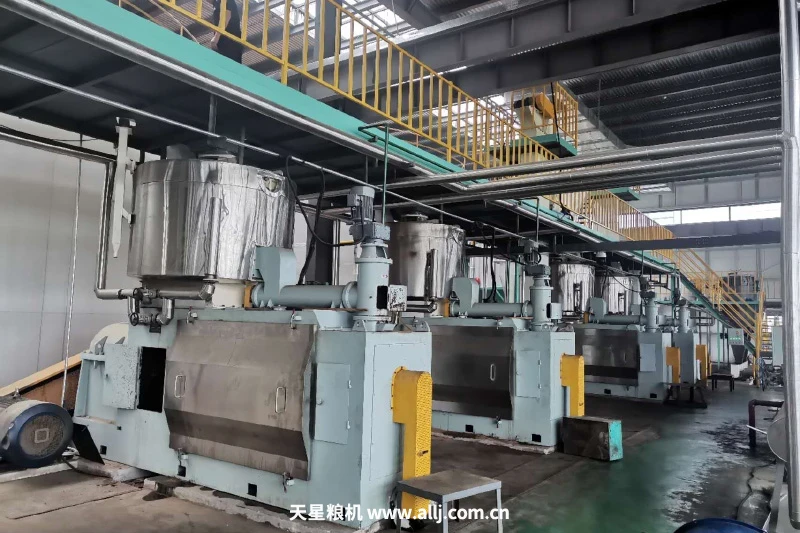
Hubei Yichang Low-Temperature Second-Pressing Flaxseed Project
The Hubei Yichang low-temperature second-pressing flaxseed project is drawing attention in the edible oil industry for its focus on high-quality nutrition retention and efficient oil extraction technology
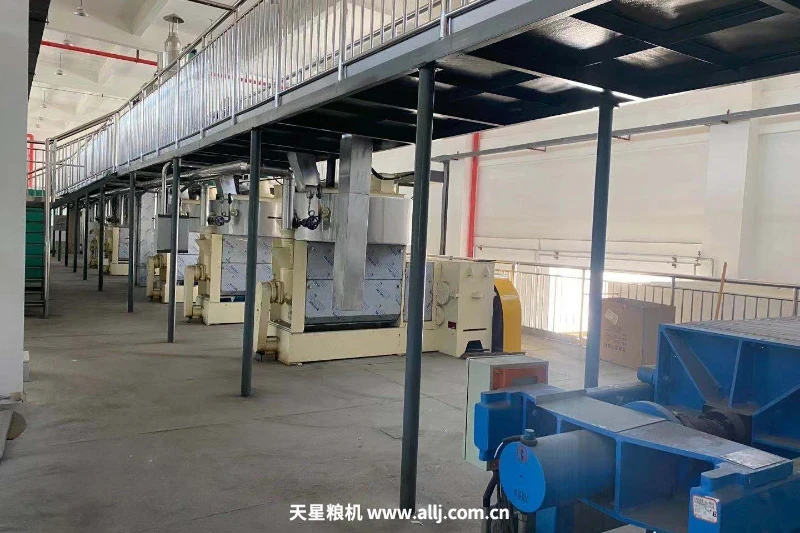
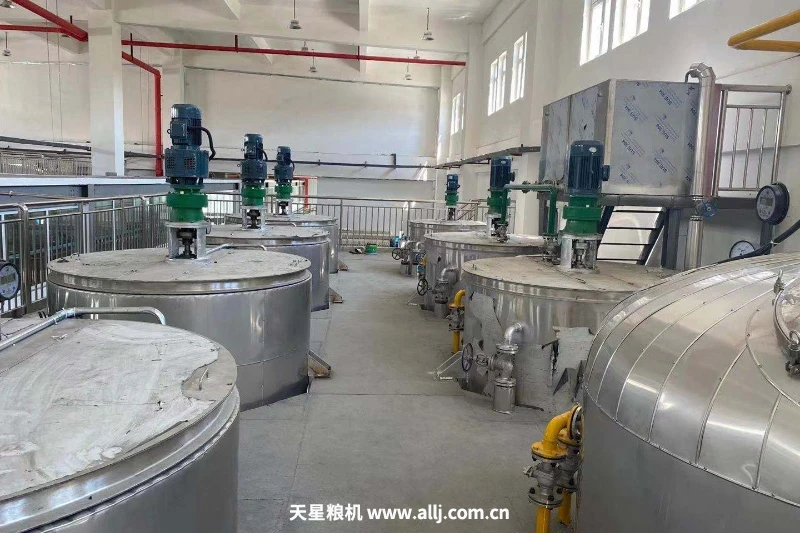
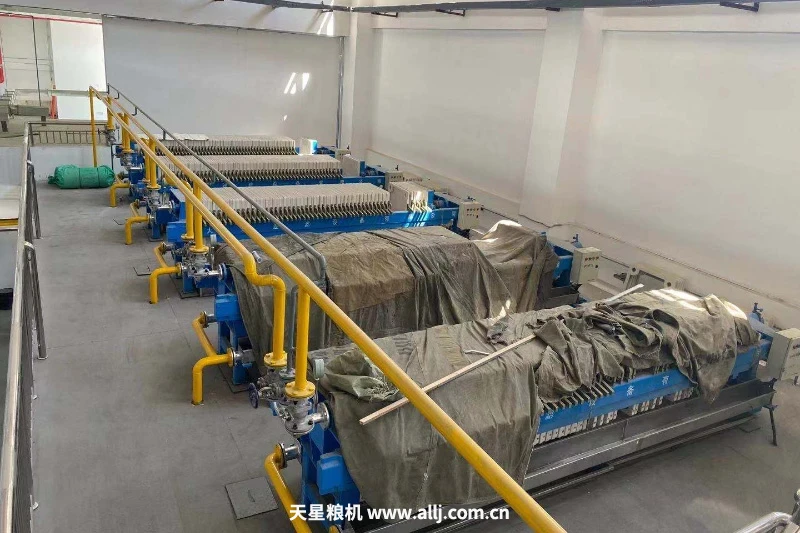
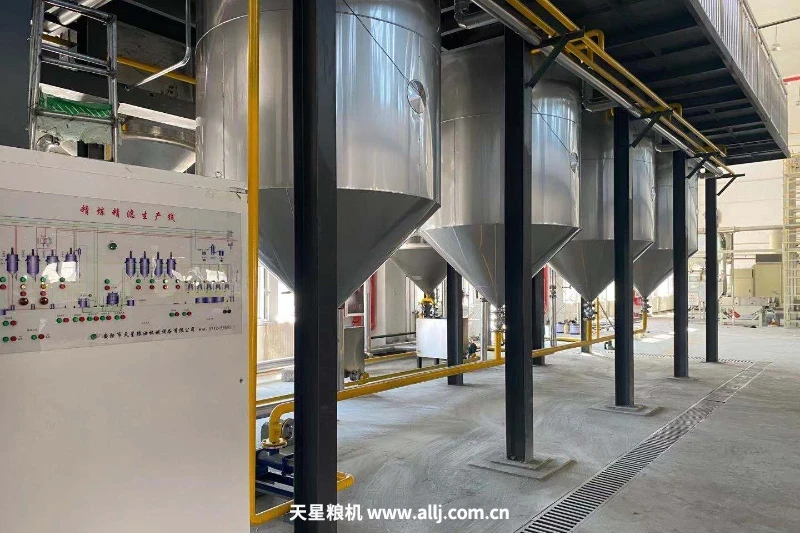
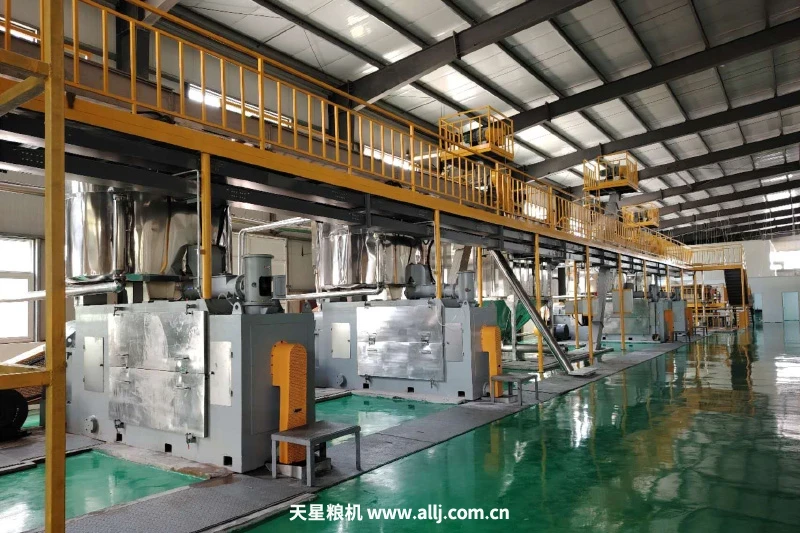
Shandong Yantai Peanut Oil Refining and Precision Filtration Project
Shandong Yantai has recently inaugurated a state-of-the-art peanut oil refining and precision filtration project, setting new benchmarks for efficiency and product quality
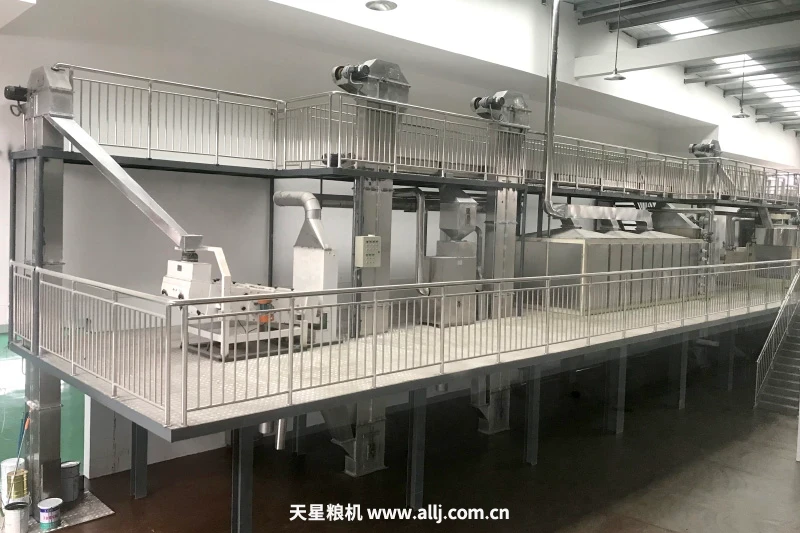
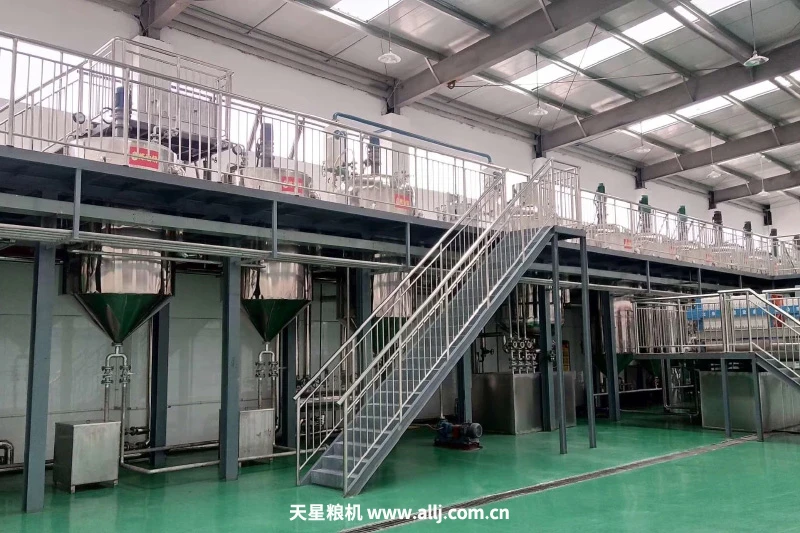
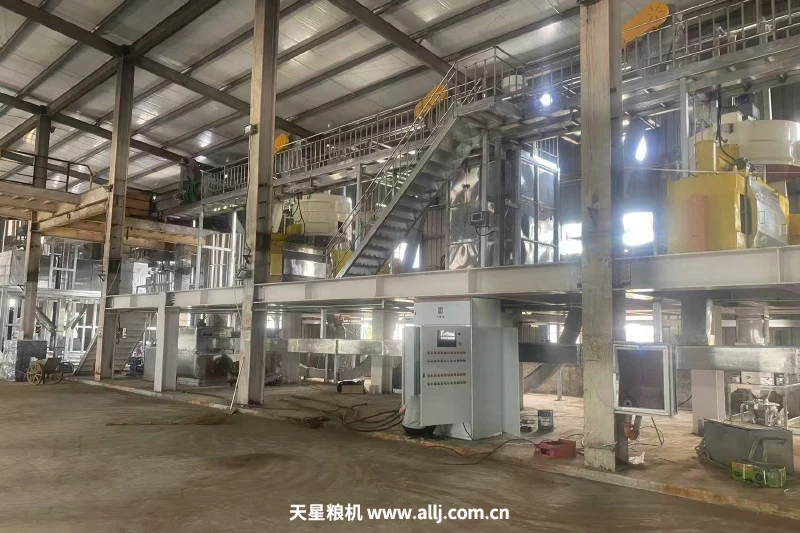
Jiangxi Nanchang Camellia Oil Refining Project
Oil refining equipment plays a crucial role in transforming crude vegetable oil into high-quality edible oil
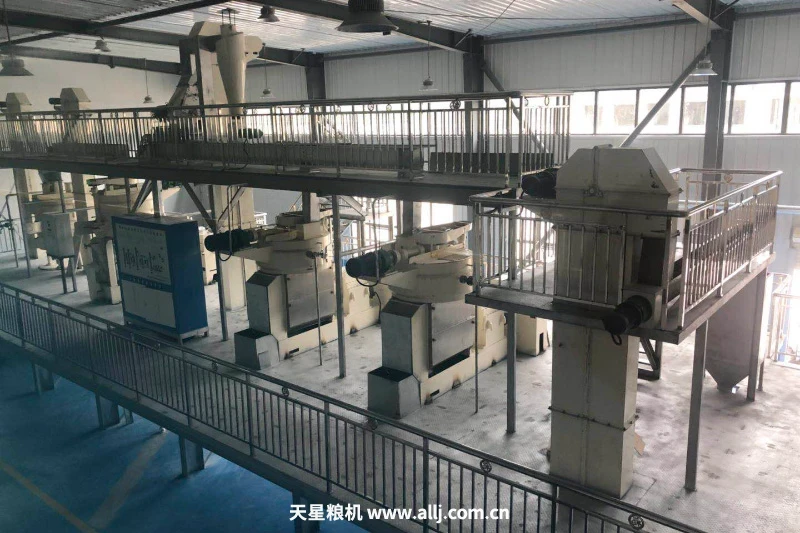
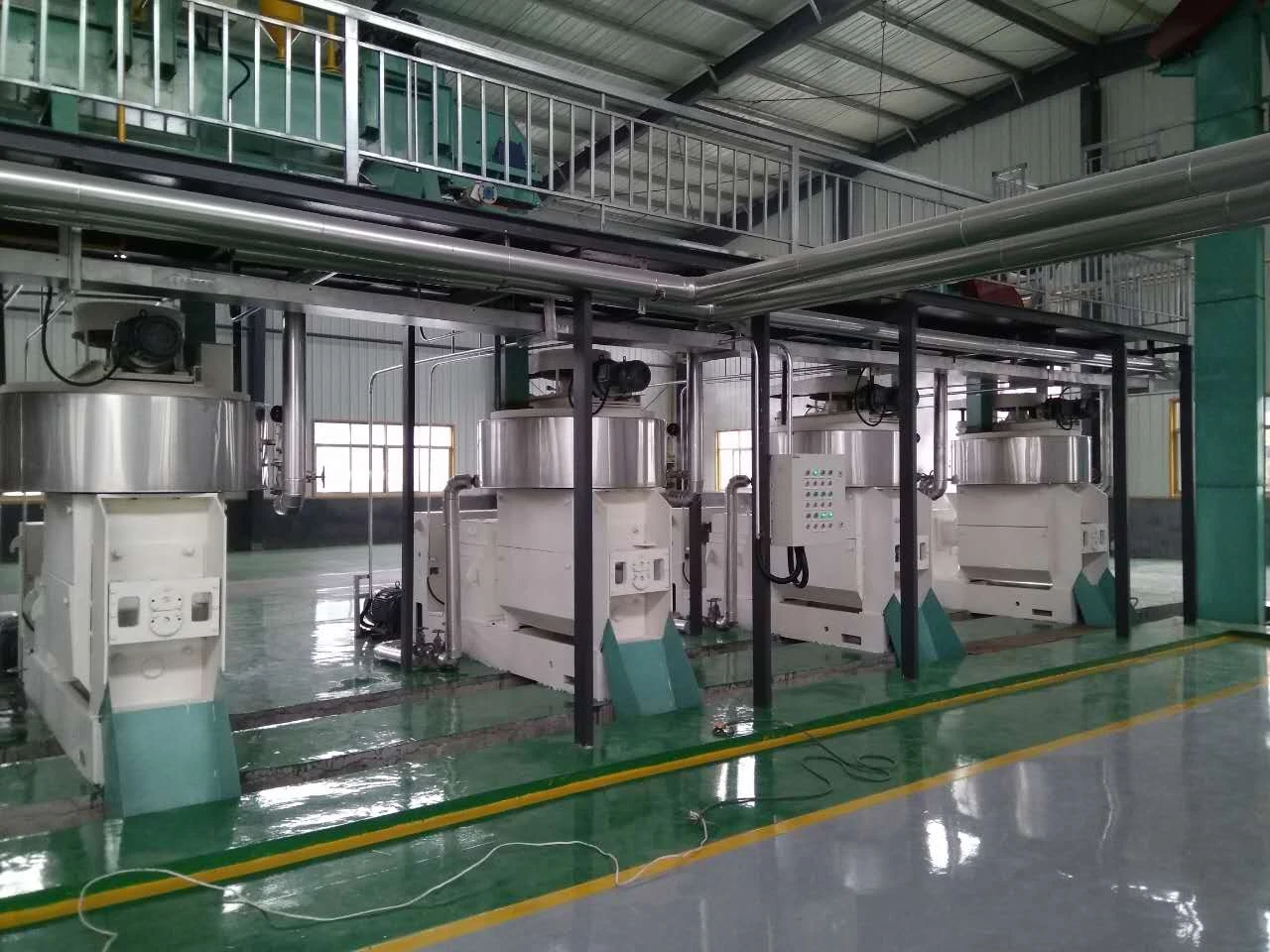
After passing through a permanent magnet cylinder to remove iron impurities, the tea seeds move into a cleaning screen, where they are freed from stalks, large debris, and dust. Next, a stone-removal machine eliminates any remaining stones, followed by processing in a specialized shelling machine to separate the shells from the kernels. Once shelled, the tea seeds are transferred to a conditioning pot, where their moisture content is adjusted to the optimal level before being fed into an oil press for extraction. The resulting oil cake is then conveyed via equipment directly into the cake storage facility. Meanwhile, the separated oil and residue undergo further treatment: the oil-residue mixture is sent through an oil-residue separation scraper into a settling tank, allowing the oil to rise to the top while the solids settle at the bottom. The solid residue is removed and returned to the oil press for additional pressing, while the clarified oil flows into a crude oil tank. From there, the oil is pumped into a filter for purification, and the filtered crude oil is subsequently transferred to the refining workshop for final processing and refinement.
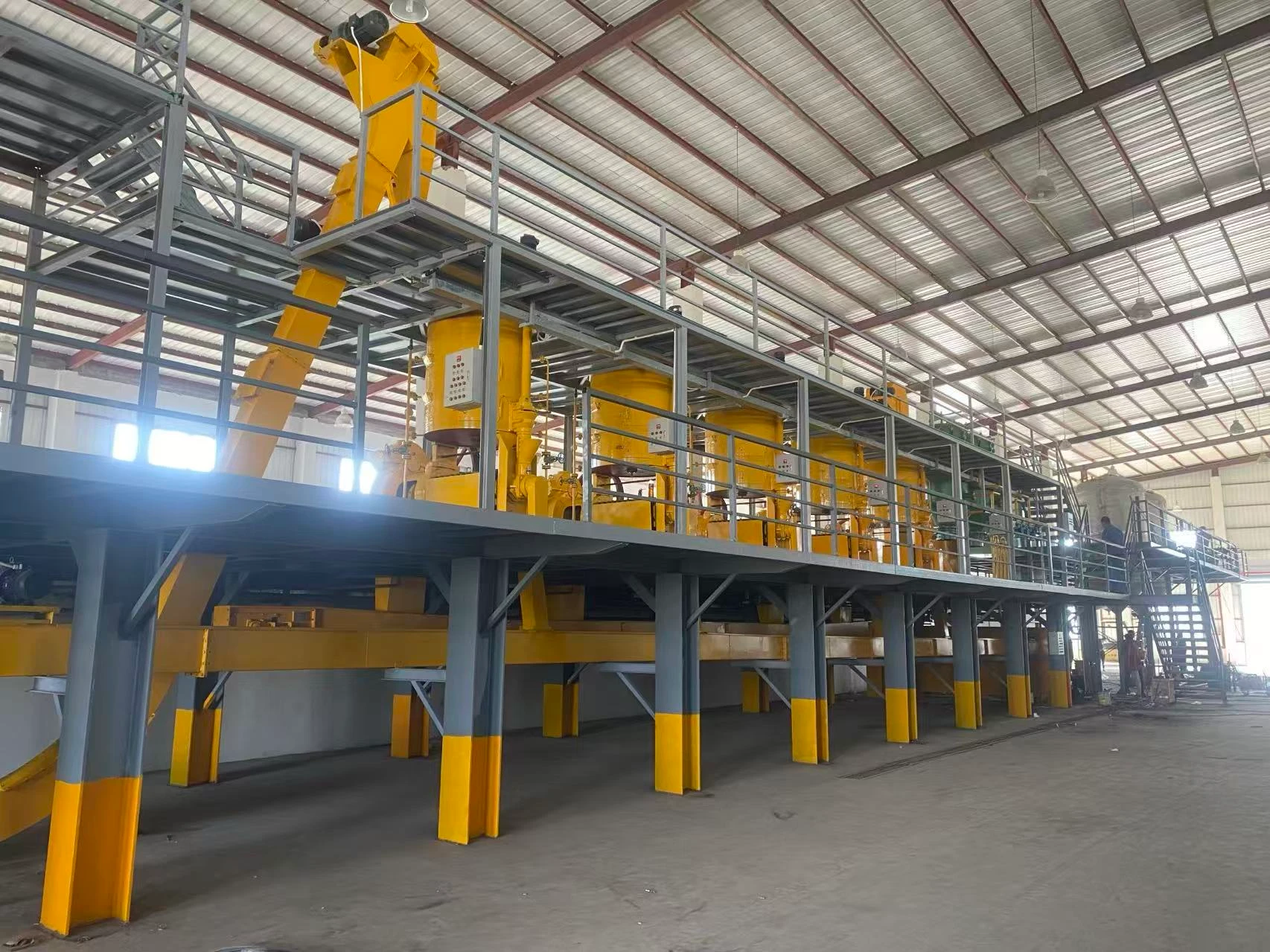
After passing through a permanent magnet cylinder to remove iron impurities, the castor seeds enter a cleaning screen, where they are freed from stalks, large debris, and dust. They then proceed to a flaking machine for flattening into胚料 (embryos). These embryos are transferred to a conditioning pot, where their moisture content is adjusted to the optimal level before being fed into an oil press for extraction. The resulting oil cake is conveyed via equipment directly into the cake storage facility. Meanwhile, the separated oil and residue are processed further: the oil-residue mixture flows into an oil-sedimentation tank via an oil-residue separation scraper, allowing the residue to be skimmed off and returned to the oil press for secondary pressing. The clarified oil overflows into a crude oil tank, where it’s pumped to a filter for purification. Finally, the filtered crude oil is sent to the refining workshop for further processing and refinement.