
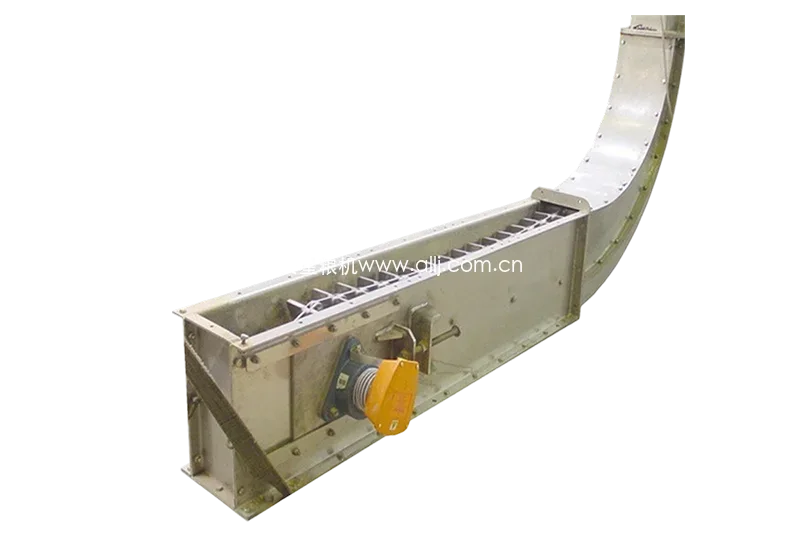
Available in a variety of models ranging from Type 12 to Type 40, the equipment includes three main configurations: the GSS horizontal scraper conveyor, the GSL trough scraper conveyor, and the GSZ curved trough scraper conveyor. These machines are designed primarily for handling bulk materials such as powders, granules, and small chunks. The equipment can perform horizontal, inclined, and even vertical material conveyance. Thanks to their excellent sealing performance and ease of installation and maintenance, these conveyors significantly enhance working conditions during material transport, minimize environmental pollution, and boost overall economic efficiency.
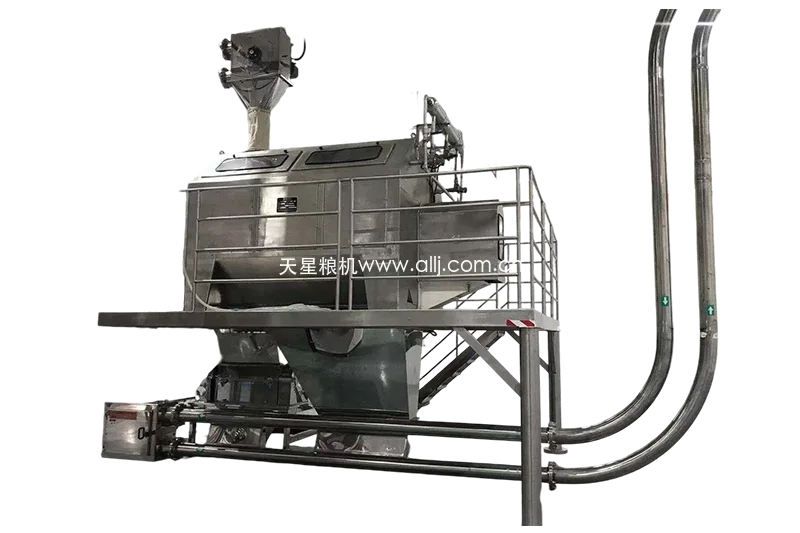
Tube Chain Machine
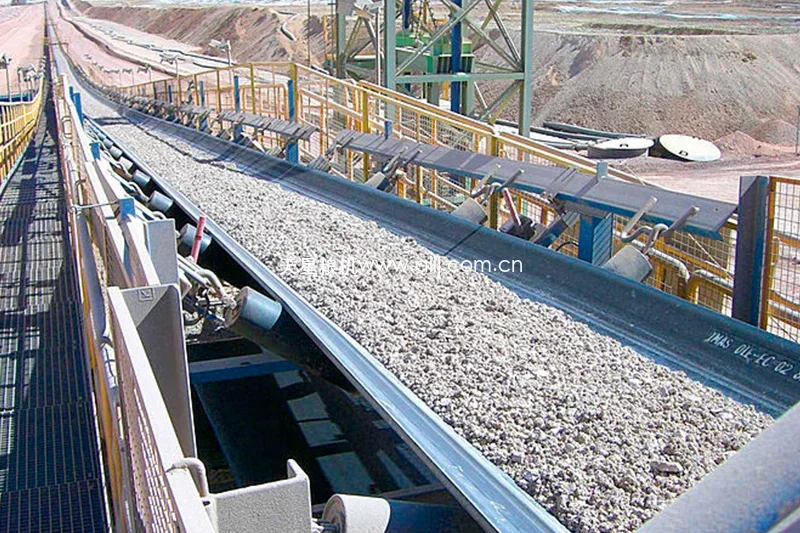
The HUS series incline belt conveyors feature a novel design and are easy to operate, making them the ideal conveying equipment for handling granular materials and packaged goods in grain silos, oil facilities, feed plants, coal storage areas, and port terminal loading and unloading zones. Available in multiple models ranging from 40 to 60 types.
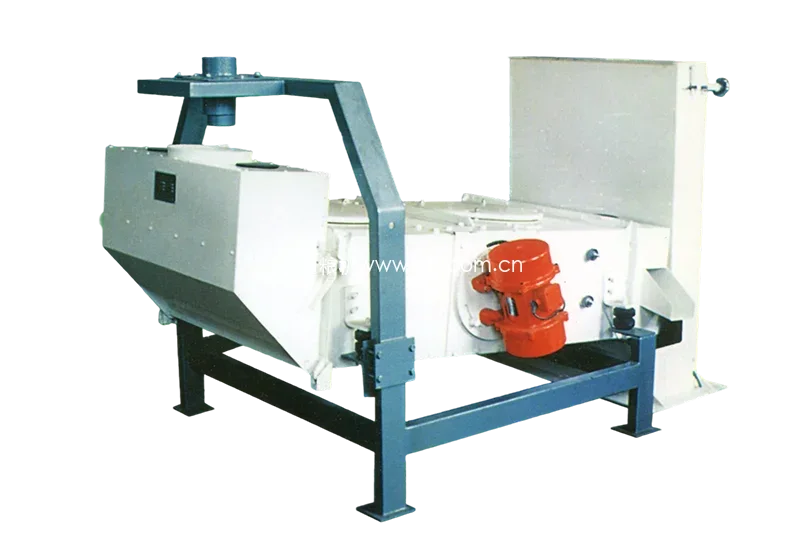
The TQLE series vibrating screen uses radial and throwing vibrations of the screening body to separate and clean materials, primarily designed for the initial cleaning and processing of various grains and oilseeds. It is also suitable for preliminary cleaning and material preparation in industries such as warehousing, food processing, animal feed production, and chemical manufacturing.
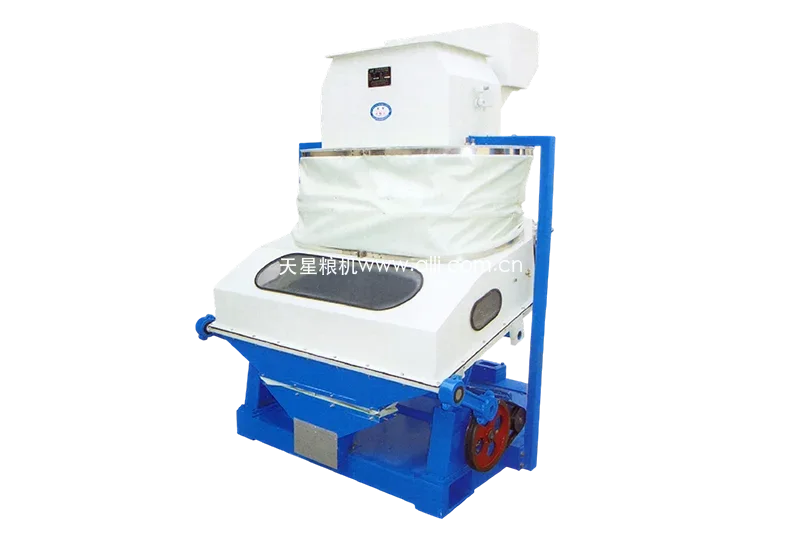
The TQSX suction-type gravity stone remover is primarily used in grain processing to remove paired stones and heavier impurities from wheat, paddy rice, soybeans, peanuts, rapeseed, and rice.
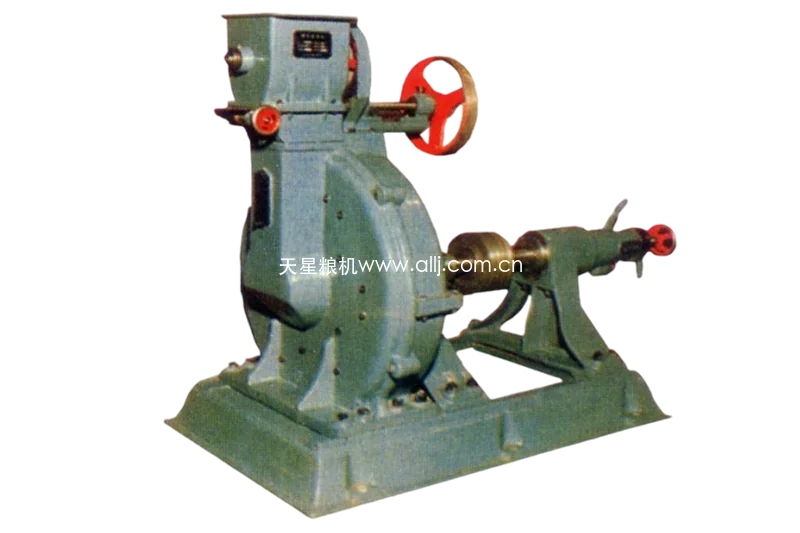
The disc shelling machine, also known as the tooth-plate sheller, has a wide range of applications. It’s commonly used for shelling cotton seeds but can also handle other oilseed crops, such as peanuts and tung nuts. Additionally, it’s effective for crushing various oilseeds as well as pre-crushed oil cakes.
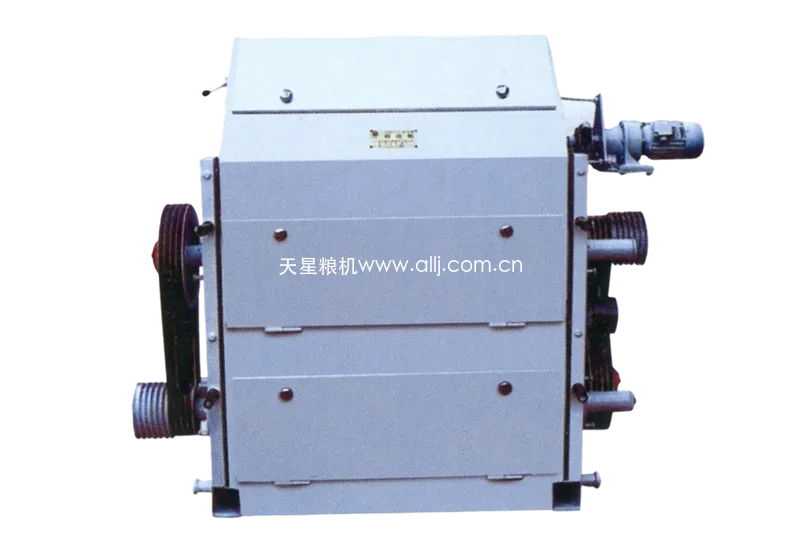
The YBKG series of toothed-roller shelling machines incorporates advanced domestic technologies and is designed to shell cotton seeds, sunflower seeds, tung seeds, and more, ensuring efficient preparation for rolling and pre-pressing—making it a critical piece of equipment in pre-processing production lines.
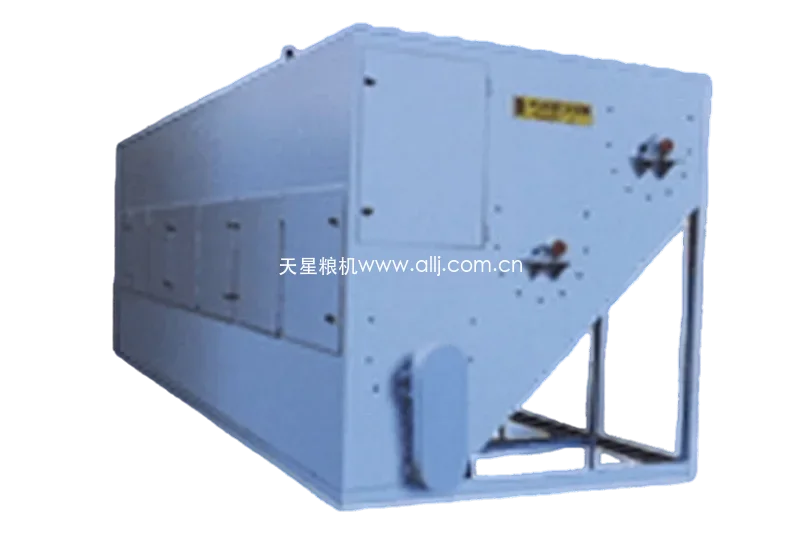
With the increasing availability of oilseed crops such as cottonseeds and sunflower seeds, it has become critically important to properly screen the shelled oilseeds. Choosing the right screening equipment is essential for ensuring the smooth progression of subsequent processing steps. Our factory has developed and manufactured the JFS series of shell-and-kernel separation screens—your ideal solution. The JFS series is specifically designed to separate the mixed kernel-shell material produced after shelling, leveraging the significant difference in specific gravity between kernels and shells to achieve efficient separation and meet your screening needs.
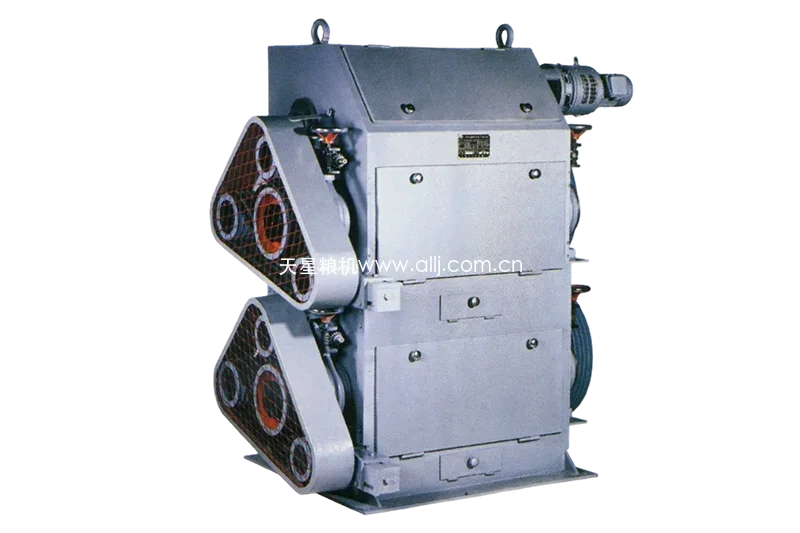
The double-toothed roller crusher is used to break down granular oilseeds such as soybeans and peanuts, laying a solid foundation for the subsequent pressing process. The quality of the crushed particles and the resulting powder content directly influence the efficiency of the pressing stage and the final oil yield—making this equipment a critical component in the pre-processing phase of oil production.
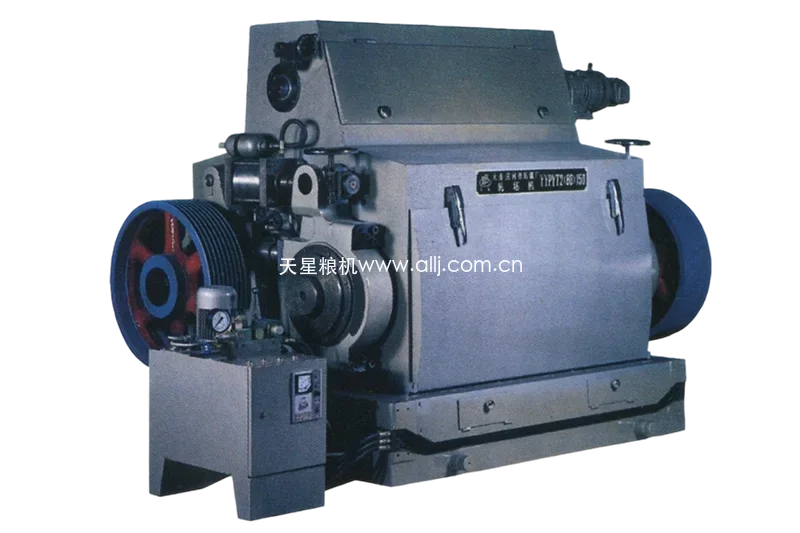
The hydraulic rolling mill is a newly developed product that features a fully hydraulic system, primarily used as key equipment for pre-processing oilseeds before pressing or solvent extraction.
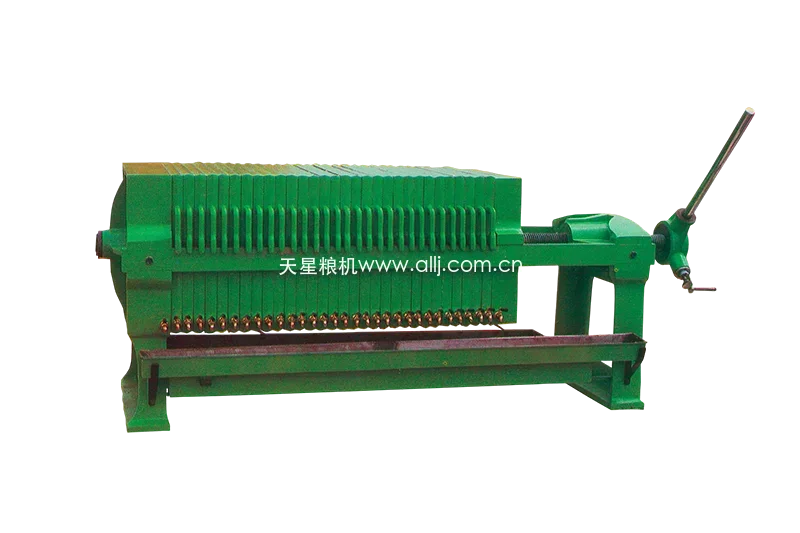
This machine is primarily used as a mechanical device for filtering vegetable oils. After being pressurized by an oil pump, the crude oil enters the filter press, where it is separated from impurities via filtration through a filter cloth, ultimately improving the quality of the oil.
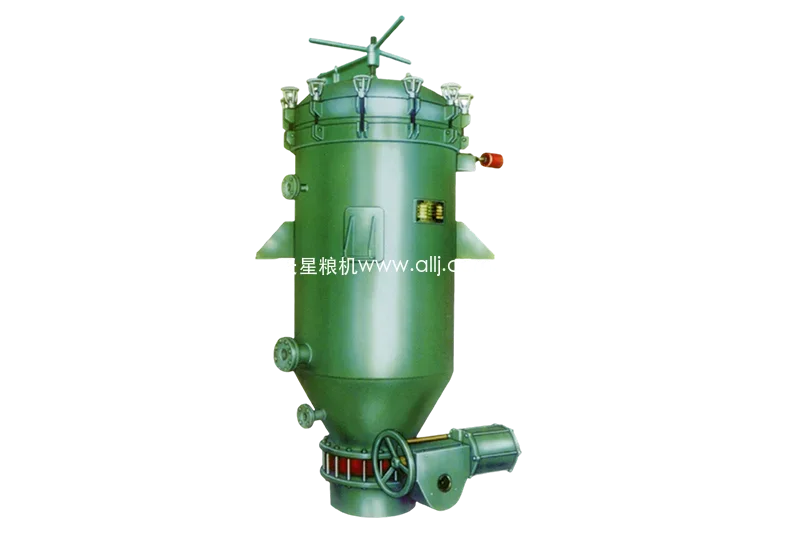
The NYB series high-efficiency plate-type closed filter is a precise clarifying filtration device that offers high efficiency, energy savings, and fully enclosed operation. It is widely suited for industries such as chemical processing, oil extraction, petroleum refining, coatings, food production, and pharmaceuticals. Featuring a uniquely designed structure, this product boasts a compact footprint, exceptional filtration efficiency, outstanding clarity of the filtrate, and fine particle retention—while virtually eliminating material loss. Additionally, it requires no consumables like filter paper, filter cloth, or filter cartridges, resulting in significantly lower filtration costs. The equipment is also easy to operate, maintain, and clean.
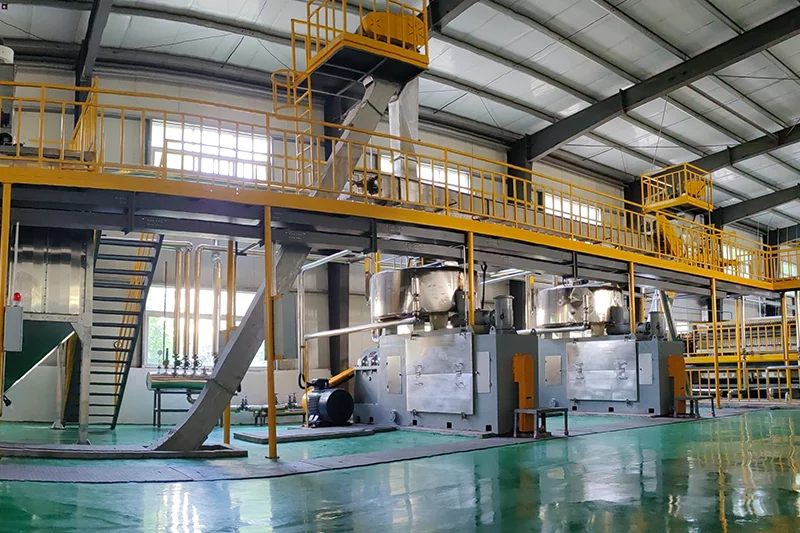
Complete Set of Pretreatment Equipment
Preprocessing steps typically include: cleaning, destoning, magnetic separation, metering, shelling, color sorting, crushing, softening, rolling, pelletizing or extrusion, as well as steaming and roasting (conditioning) or drying—though the specific processes may vary depending on the characteristics of the raw materials, the type of oil press used, and the equipment configuration.
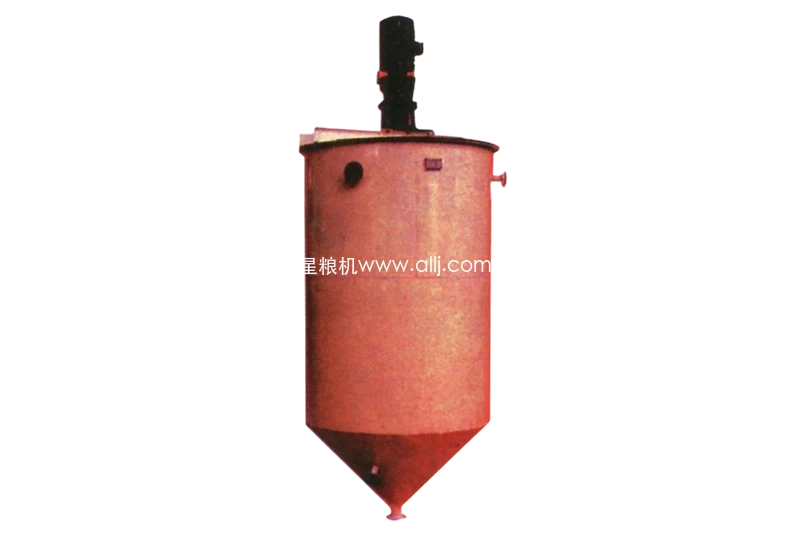
The LYL series refinery pots are primarily used for hydration, alkali refining, and dehydration processes in oil refining.
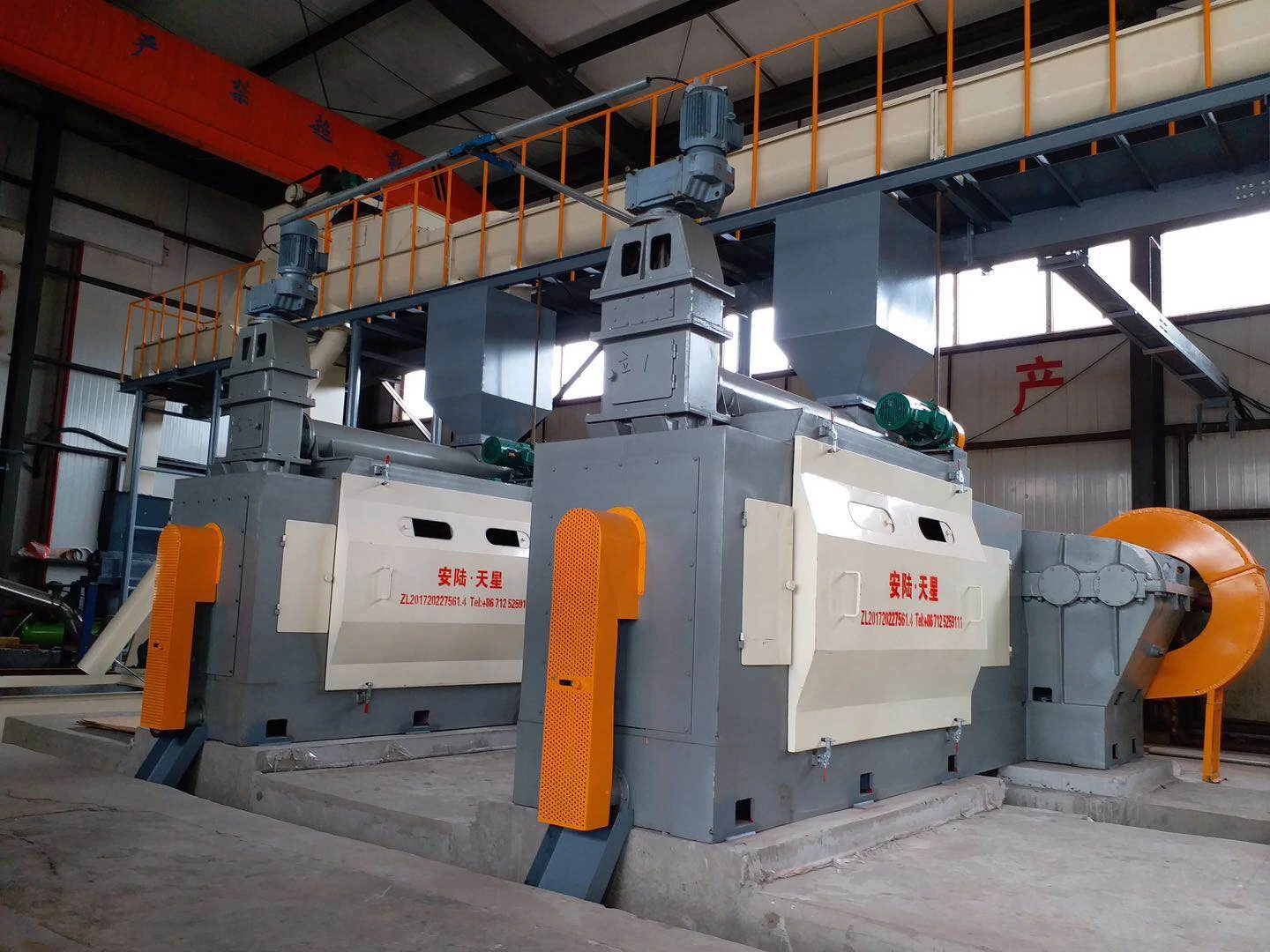
After passing through a permanent magnet cylinder to remove iron impurities, the soybeans are fed into a cleaning screen, where they undergo further separation to eliminate straw, large debris, and dust. Next, a destoner removes any remaining stones before the material is sent to a crusher for size reduction. Once crushed into fine particles, the material moves into a conditioning tank, where its moisture content is adjusted to the optimal level. The conditioned material then proceeds to the first and second pressing stages of the oil-extraction machine. The resulting oil cakes from the second press are conveyed via equipment directly into the cake storage facility. Meanwhile, the oil and spent meal are separated using an oil-mill residue scraper system, with the oil flowing into a clarifying tank for sedimentation. After the sediment is removed, the remaining meal is returned to the oil-extraction machine for a secondary pressing cycle. Meanwhile, the clarified oil overflows into a crude oil tank, where it’s pumped through an oil filter. Finally, the filtered crude oil is transferred to the refining workshop for further purification and processing.
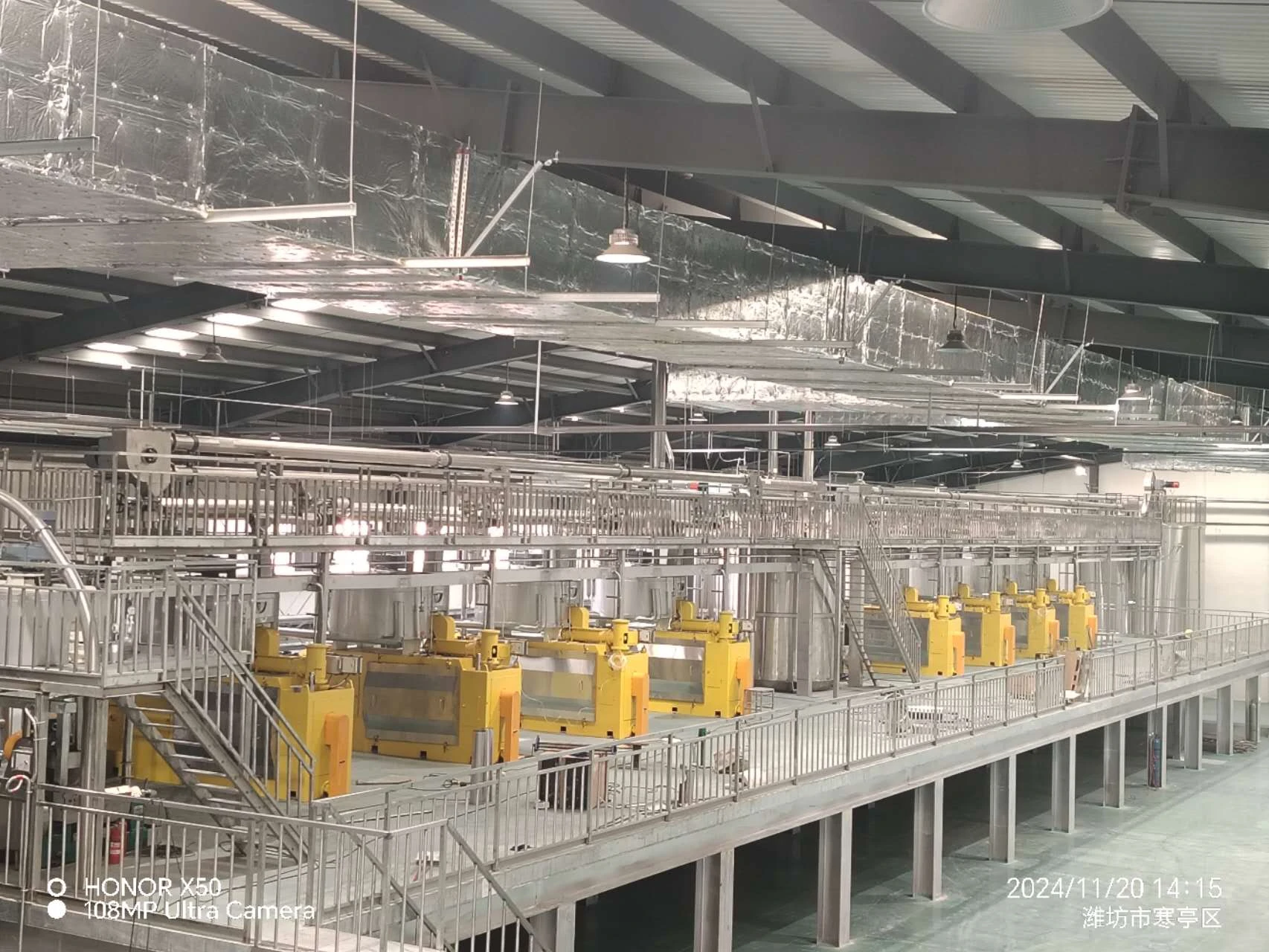
Peanut kernels (hulled of their red skins) are fed directly into a single-press machine after passing through a permanent-magnet cylinder to remove iron impurities. The resulting first-press cake is then crushed and sent to a second press for further extraction. The second-press cake is conveyed via equipment to a cake storage bin. Meanwhile, the oil and residue are separated using an oil-residue scraper, with the oil flowing into a clarifying tank for sedimentation. After the residue is removed, it’s returned to a small-scale press for additional pressing—ensuring high-quality protein powder. The clarified oil overflows into a crude oil tank, where it’s pumped to a filter for purification. Finally, the filtered crude oil is transferred by pump to the refining workshop for further processing and refinement.