


2026/01/11
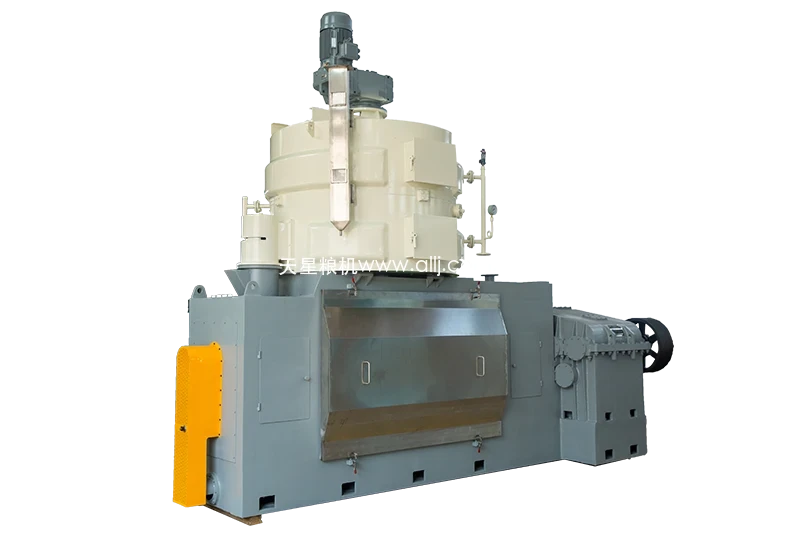
Unlocking Efficiency: The Advantages of a Single Screw Oil Press
Unlocking Efficiency: The Advantages of a Single Screw Oil Press Table of Contents 1. Introduction to Single Screw Oil Press Technologies 2. What is a Single Screw Oil Press? 3. Advantages of a Single Screw Oil Press 3.1 Operational Efficiency 3.2 Cost-Effectiveness 3.3 Superior Oil Quality 4. Technical Specifications of Single
2026/01/10
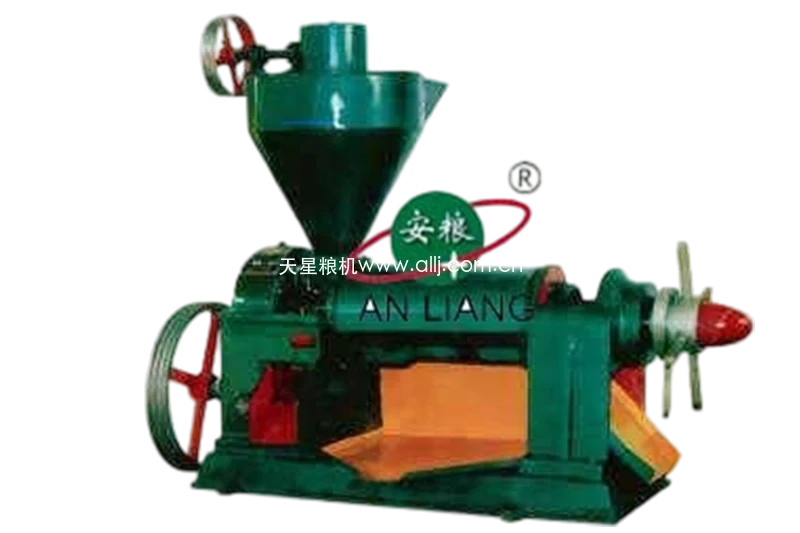
Unlocking the Potential of Oil Pressing Machines: A Comprehensive Guide
Oil pressing machines play a crucial role in the agricultural food sector, particularly in the production of edible oils. These machines are designed to extract oil from various seeds and nuts, making them a vital component in the food processing industry. Understanding how these machines operate and their significance can greatly benefit professionals involved in oil production. At its core, an o
2026/01/09
Troubleshooting Common Issues with Oilseed Processing Equipment: A Comprehensive Guide
Troubleshooting Common Issues with Oilseed Processing Equipment Table of Contents Introduction to Oilseed Processing Equipment The Importance of Troubleshooting in Oilseed Processing Overview of Common Issues with Oilseed Processing Equipment 1. Jamming in Oilseed Processing Equipment 2. Inefficient Oil Extraction Rates 3. Equipment Wear and Tear 4. Temperature Control

2026/01/09
Maximize Efficiency and Yield with Advanced Oilseed Processing Equipment
Oilseed processing equipment is designed to optimize the extraction and production of high-quality vegetable oils from seeds such as soybean, sunflower, rapeseed, and peanut

2026/01/07
Recently, a new batch of screw oil presses customized for our Malaysian partner has completed final commissioning and packaging at our factory and has now been officially shipped to Malaysia. This marks a further deepening of the cooperative relationship between the two sides and serves as yet another testament to our equipment’s outstanding performance and continued trust in the international market.

2026/01/06
Today, our company’s newly developed low-temperature screw oil press was officially loaded onto a truck and shipped to a well-known large-scale edible oil processing enterprise in China.

2025/12/30
Rapeseed and soybeans have become new growth drivers for Russia's oil and fat industry.
Russia’s oil and fat industry is actively pursuing diversification: Soybeans are increasingly solidifying their position as a strategic crop, while rapeseed is emerging as a new export leader, thereby reducing reliance on sunflower seeds—the country’s sole flagship crop in recent years—and opening up new opportunities in foreign markets.

2025/12/25
In 2026, Kazakhstan will build three new oilseed processing plants.
According to Aliya Rakhimova, a spokesperson for the Kazakh government, Kazakhstan will begin operating three new refineries in 2026.

2025/12/18
Global olive oil production for the 2024-25 season will reach a record high of 3.5 million tons.
According to a new study cited by Olive Oil Times, global olive oil production for the 2024/25 season is expected to reach a record high of 3.5 million tons.

2025/12/11
Russian companies announce a reduction in sunflower oil production.
According to Izvestia, companies are cutting back on sunflower oil production due to lower sunflower yields and low processing profits. Processors say this could lead to changes in the consumer prices of sunflower oil.
Related Articles
