
Product Center
View details
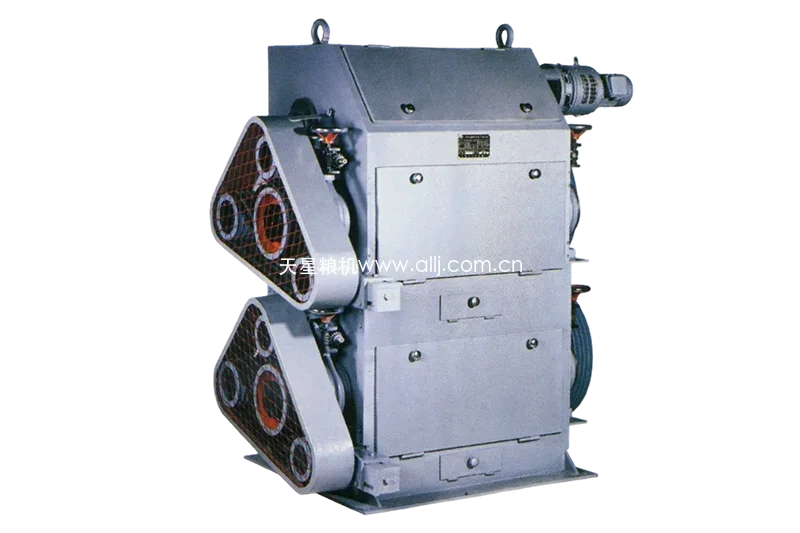
The double-toothed roller crusher is used to break down granular oilseeds such as soybeans and peanuts, laying a solid foundation for the subsequent pressing process. The quality of the crushed particles and the resulting powder content directly influence the efficiency of the pressing stage and the final oil yield—making this equipment a critical component in the pre-processing phase of oil production.
View details
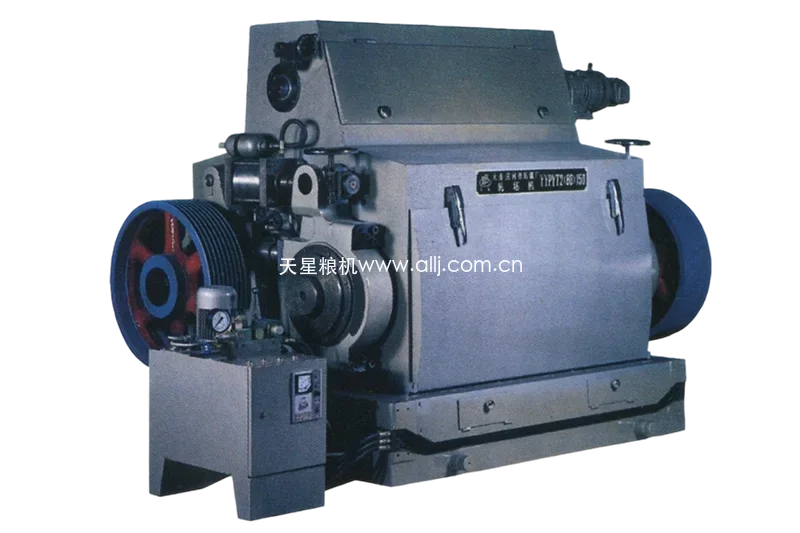
The hydraulic rolling mill is a newly developed product that features a fully hydraulic system, primarily used as key equipment for pre-processing oilseeds before pressing or solvent extraction.
View details
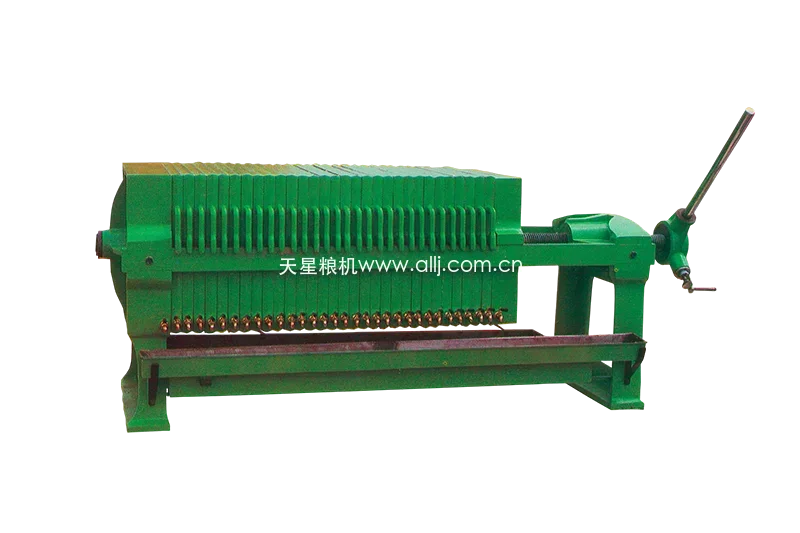
This machine is primarily used as a mechanical device for filtering vegetable oils. After being pressurized by an oil pump, the crude oil enters the filter press, where it is separated from impurities via filtration through a filter cloth, ultimately improving the quality of the oil.
View details
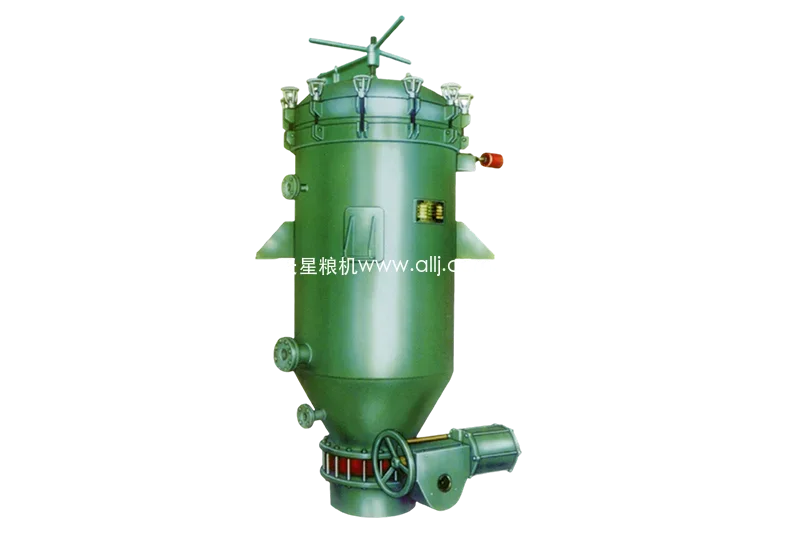
The NYB series high-efficiency plate-type closed filter is a precise clarifying filtration device that offers high efficiency, energy savings, and fully enclosed operation. It is widely suited for industries such as chemical processing, oil extraction, petroleum refining, coatings, food production, and pharmaceuticals. Featuring a uniquely designed structure, this product boasts a compact footprint, exceptional filtration efficiency, outstanding clarity of the filtrate, and fine particle retention—while virtually eliminating material loss. Additionally, it requires no consumables like filter paper, filter cloth, or filter cartridges, resulting in significantly lower filtration costs. The equipment is also easy to operate, maintain, and clean.
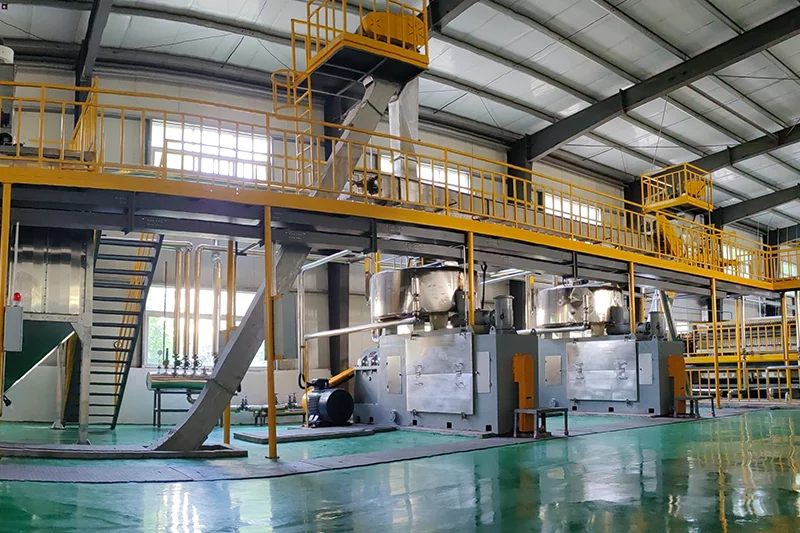
Complete Set of Pretreatment Equipment
View details
Preprocessing steps typically include: cleaning, destoning, magnetic separation, metering, shelling, color sorting, crushing, softening, rolling, pelletizing or extrusion, as well as steaming and roasting (conditioning) or drying—though the specific processes may vary depending on the characteristics of the raw materials, the type of oil press used, and the equipment configuration.
View details
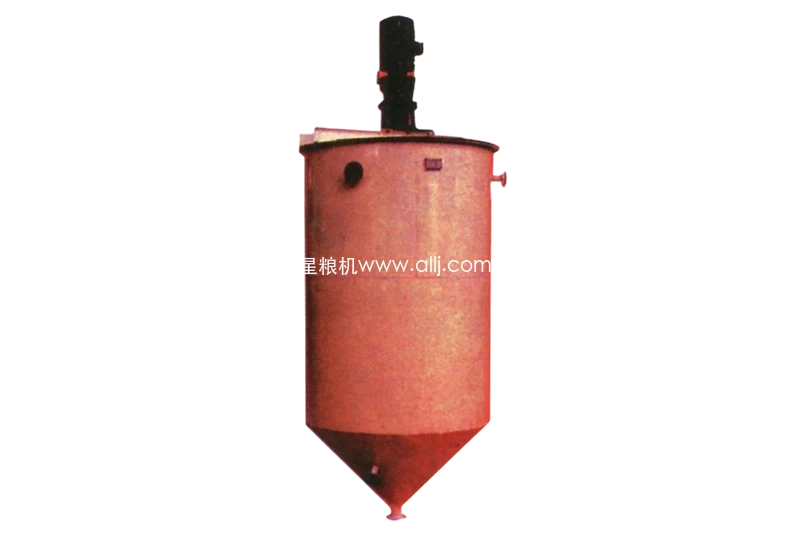
The LYL series refinery pots are primarily used for hydration, alkali refining, and dehydration processes in oil refining.
View details
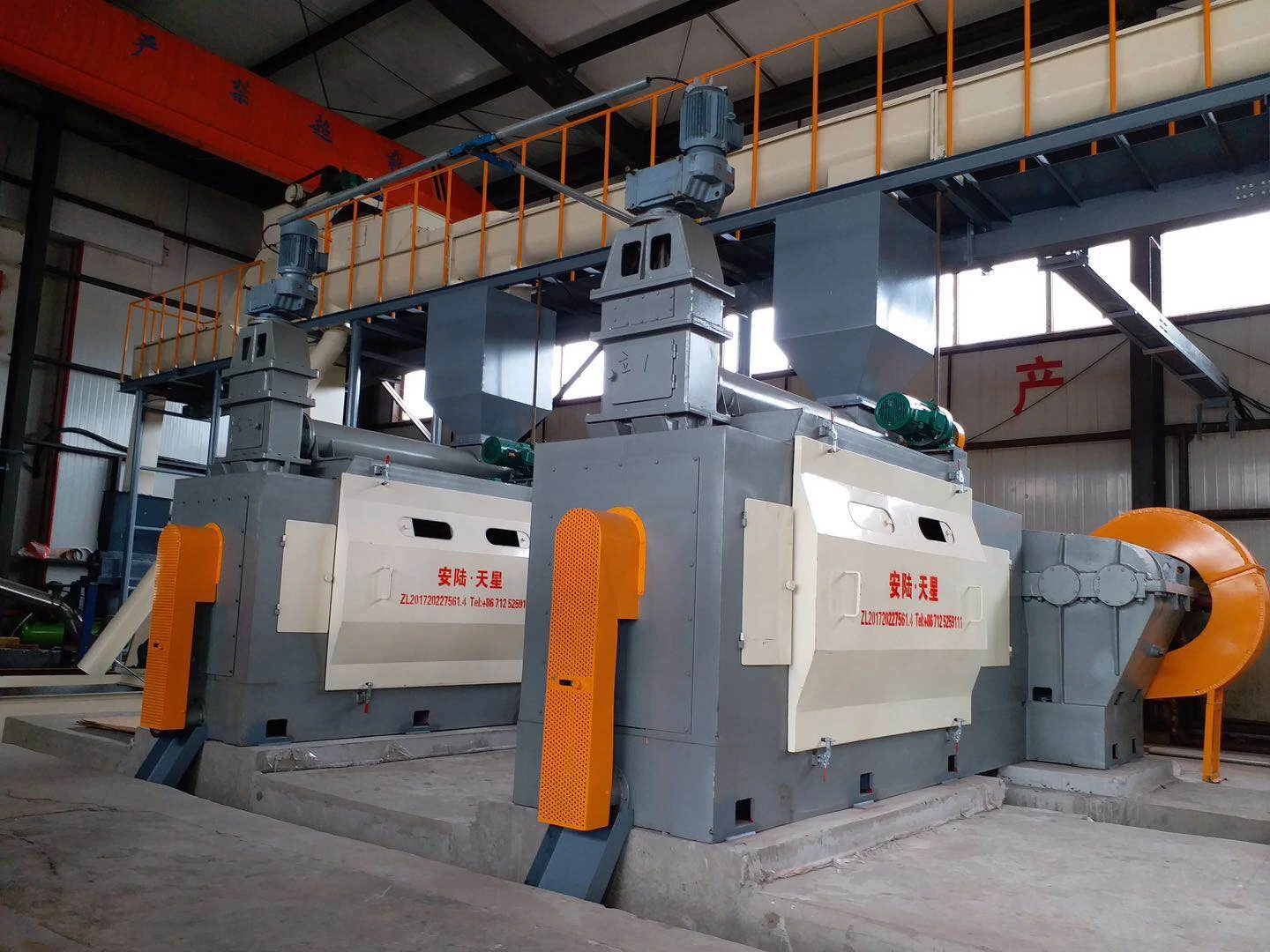
After passing through a permanent magnet cylinder to remove iron impurities, the soybeans are fed into a cleaning screen, where they undergo further separation to eliminate straw, large debris, and dust. Next, a destoner removes any remaining stones before the material is sent to a crusher for size reduction. Once crushed into fine particles, the material moves into a conditioning tank, where its moisture content is adjusted to the optimal level. The conditioned material then proceeds to the first and second pressing stages of the oil-extraction machine. The resulting oil cakes from the second press are conveyed via equipment directly into the cake storage facility. Meanwhile, the oil and spent meal are separated using an oil-mill residue scraper system, with the oil flowing into a clarifying tank for sedimentation. After the sediment is removed, the remaining meal is returned to the oil-extraction machine for a secondary pressing cycle. Meanwhile, the clarified oil overflows into a crude oil tank, where it’s pumped through an oil filter. Finally, the filtered crude oil is transferred to the refining workshop for further purification and processing.
View details
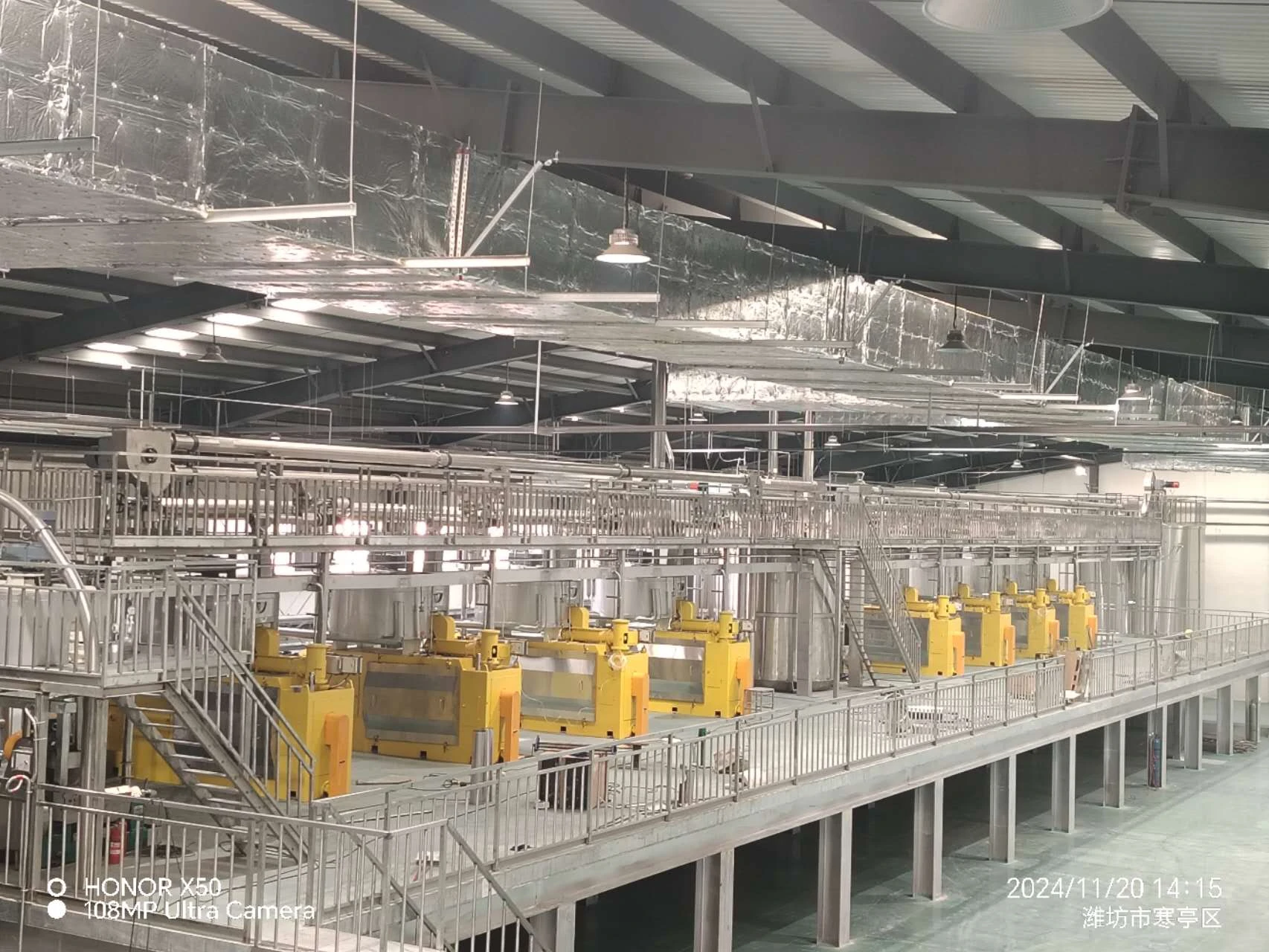
Peanut kernels (hulled of their red skins) are fed directly into a single-press machine after passing through a permanent-magnet cylinder to remove iron impurities. The resulting first-press cake is then crushed and sent to a second press for further extraction. The second-press cake is conveyed via equipment to a cake storage bin. Meanwhile, the oil and residue are separated using an oil-residue scraper, with the oil flowing into a clarifying tank for sedimentation. After the residue is removed, it’s returned to a small-scale press for additional pressing—ensuring high-quality protein powder. The clarified oil overflows into a crude oil tank, where it’s pumped to a filter for purification. Finally, the filtered crude oil is transferred by pump to the refining workshop for further processing and refinement.
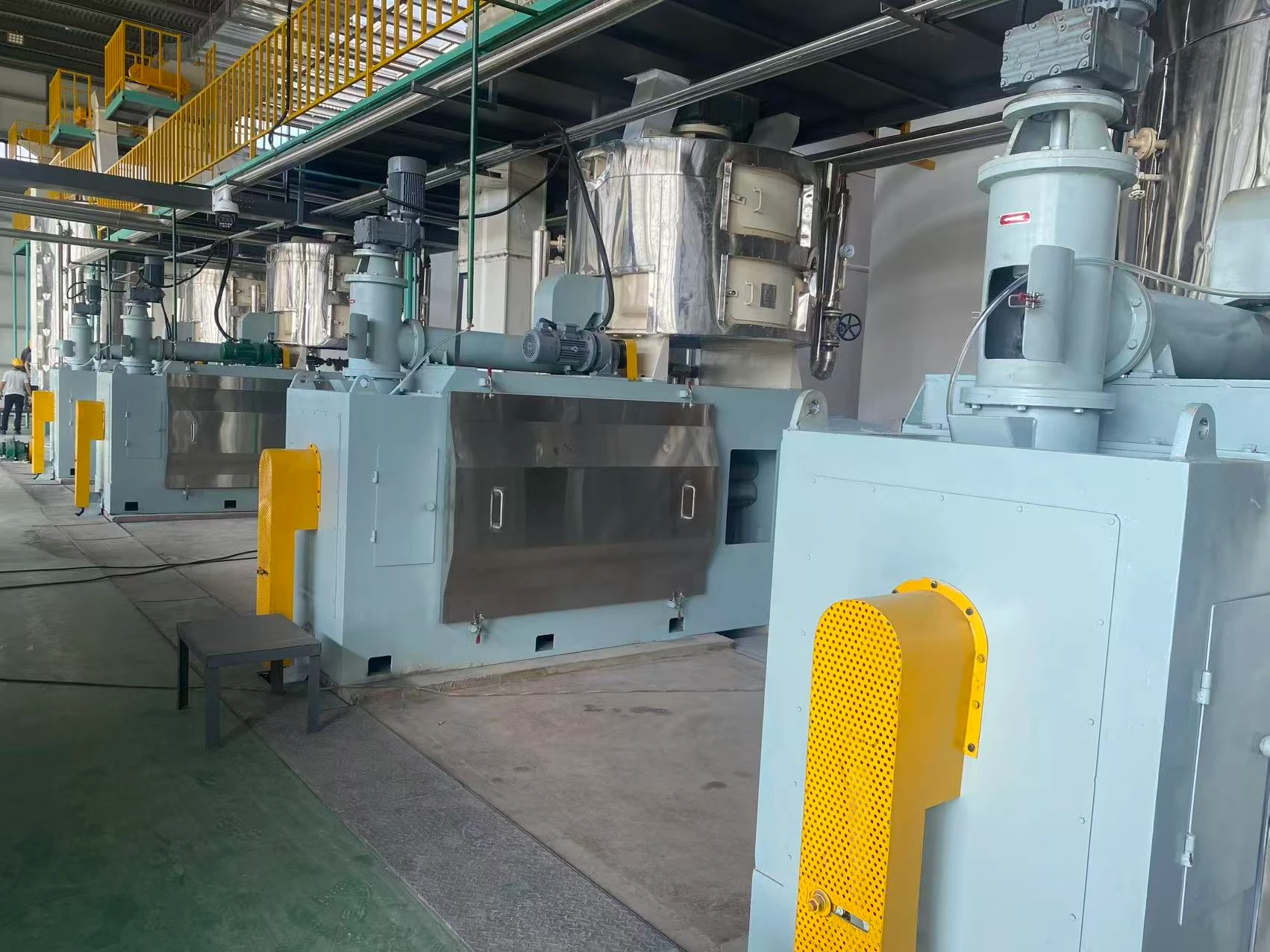
View details
Flaxseeds pass through a permanent magnetic cylinder to remove iron impurities, then enter a cleaning screen to remove straw, large impurities and dust. They are then sent to a stone remover to remove stones. After that, they are processed into flaxseeds by a flaxseed rolling machine. The flaxseeds are sent to a steaming and frying pan to adjust the moisture content to an appropriate level and enter the first press for pressing. The first press cakes are crushed and then enter the second press for pressing. The second press cakes are sent to the cake storage by conveying equipment. The oil and residue are separated by the oil and residue separation scraper and enter the clear oil tank for sedimentation. The residue is scooped out and sent to the oil press for re-pressing. The oil overflows into the crude oil tank and is sent to the filter by the oil pump for filtration. The filtered crude oil is then pumped into the oil refining workshop for refining.
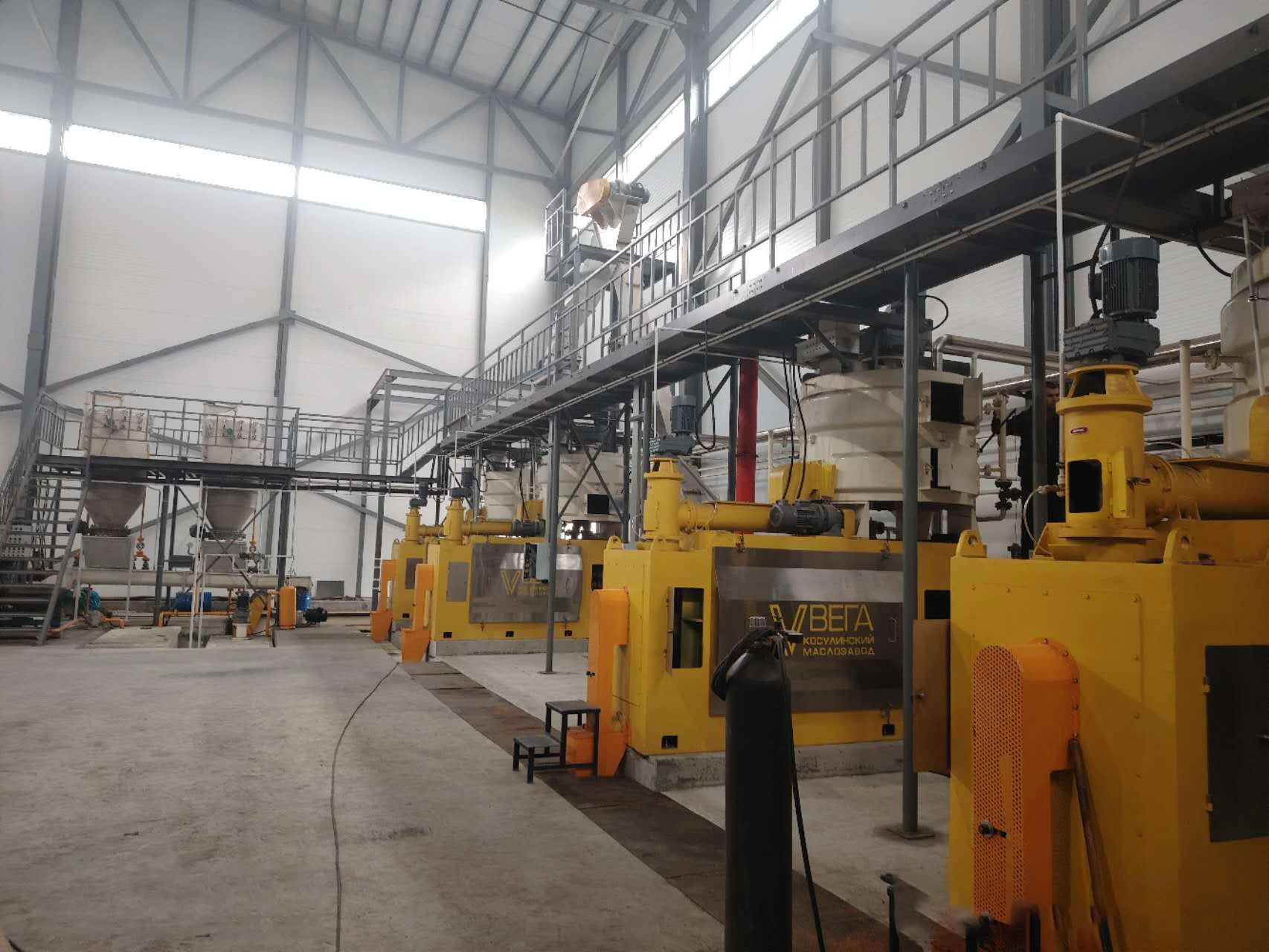
View details
After passing through a permanent magnet cylinder to remove iron impurities, the rapeseed enters a cleaning screen, where it is freed from straw, large debris, and dust. Next, stone removal equipment eliminates any remaining stones, after which the material is directly pressed in a single-press machine. The resulting first-press cake is then crushed before being fed into a second press for further extraction. Finally, the second-press cake is conveyed via specialized equipment directly into the cake storage bin. Meanwhile, the oil and residue are separated using an oil-residue scraper system, with the oil flowing into a clarifying tank for sedimentation. Once the sediment settles, the clarified oil is skimmed off and transferred to a crude oil tank. From there, it’s pumped into a filtration unit for purification, and the filtered crude oil is subsequently sent to the refining workshop for final processing and refinement.
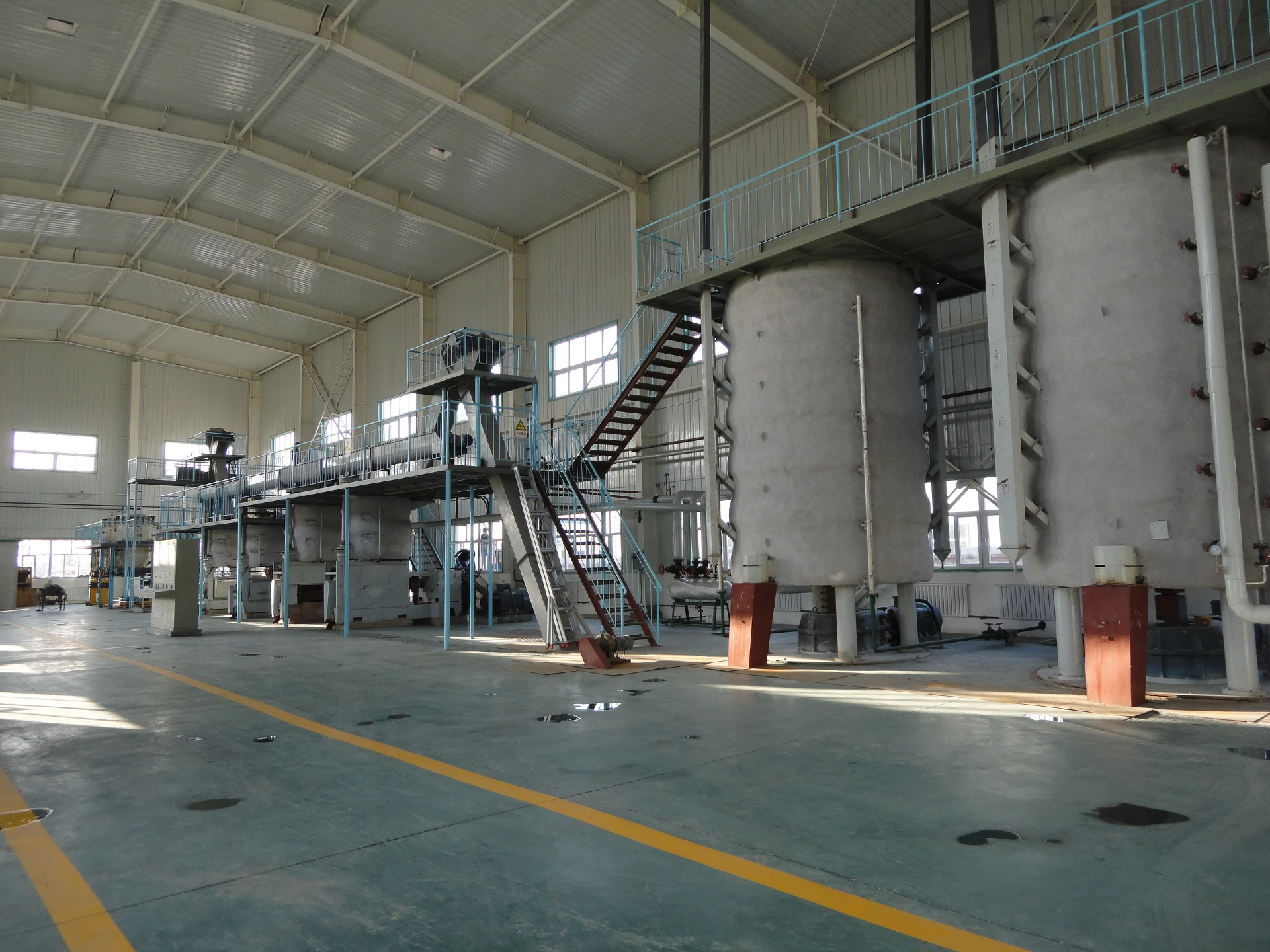
Sunflower (Sunflower Seed) Processing Plan
View details
Sunflower seeds kernels pass through a permanent magnet cylinder to remove iron impurities, then move to a cleaning screen that eliminates straw, large debris, and dust. Next, they go through a destoner machine to separate out any stones, before being directly pressed in a single-press machine. The resulting first-press cake is crushed and fed into a second press for further extraction. Finally, the second-press cake is conveyed via equipment directly to the cake storage bin. Meanwhile, the oil and residue are separated using an oil-residue scraper system, with the oil flowing into a clarifying tank for sedimentation. After the sediment is removed, the remaining residue is returned to the oil press for another round of pressing. Meanwhile, the clarified oil overflows into a crude oil tank, where it’s pumped into a filter for purification. Once filtered, the crude oil is transferred by pump to the refining workshop for final processing and refinement.
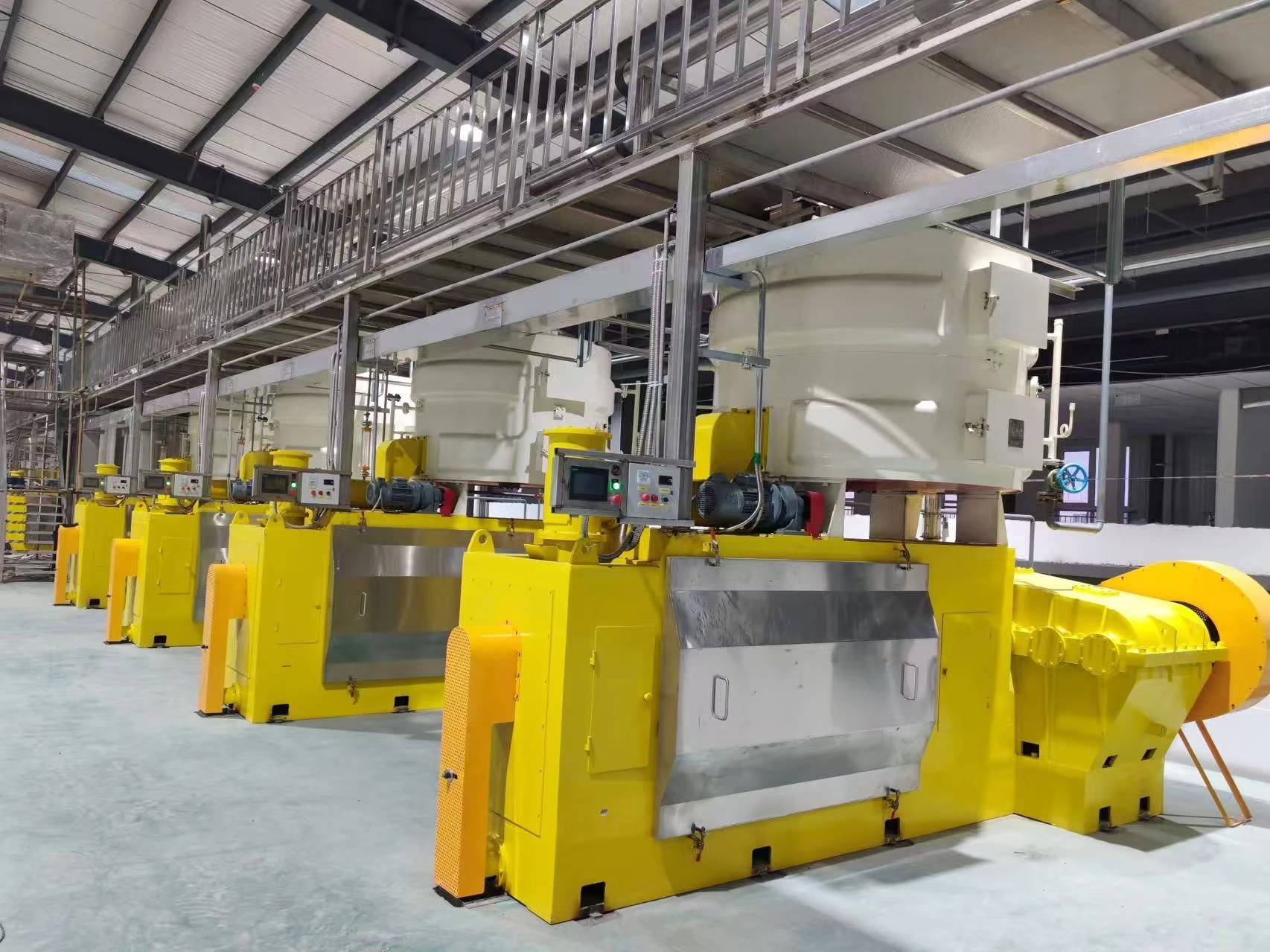
View details
Cotton seed kernels are fed directly into the oil press after being processed through a permanent magnetic cylinder to remove iron impurities. The resulting oil cake is then conveyed via conveyor equipment to the solvent extraction workshop. Meanwhile, the oil and residue are separated using an oil-residue scraper, with the oil flowing into a clarifying tank for sedimentation. After the residue is removed, it’s returned to the oil press for another round of pressing. Meanwhile, the clarified oil overflows into a crude oil tank, where it’s pumped into a filter for further purification. Finally, the filtered crude oil is transferred by pump to the refining workshop for advanced processing and refinement.